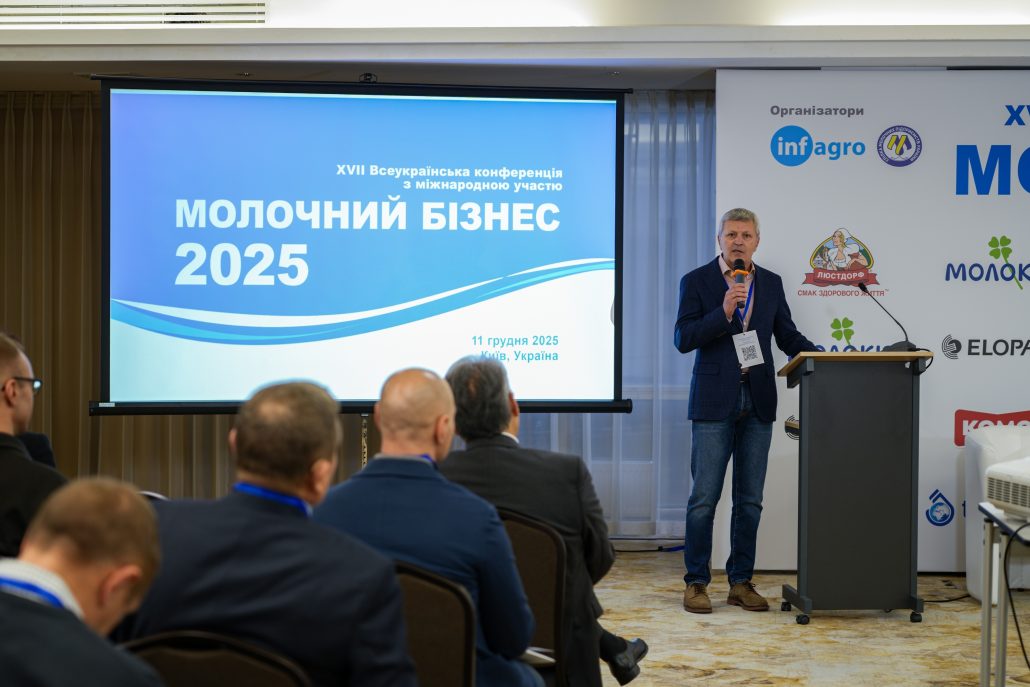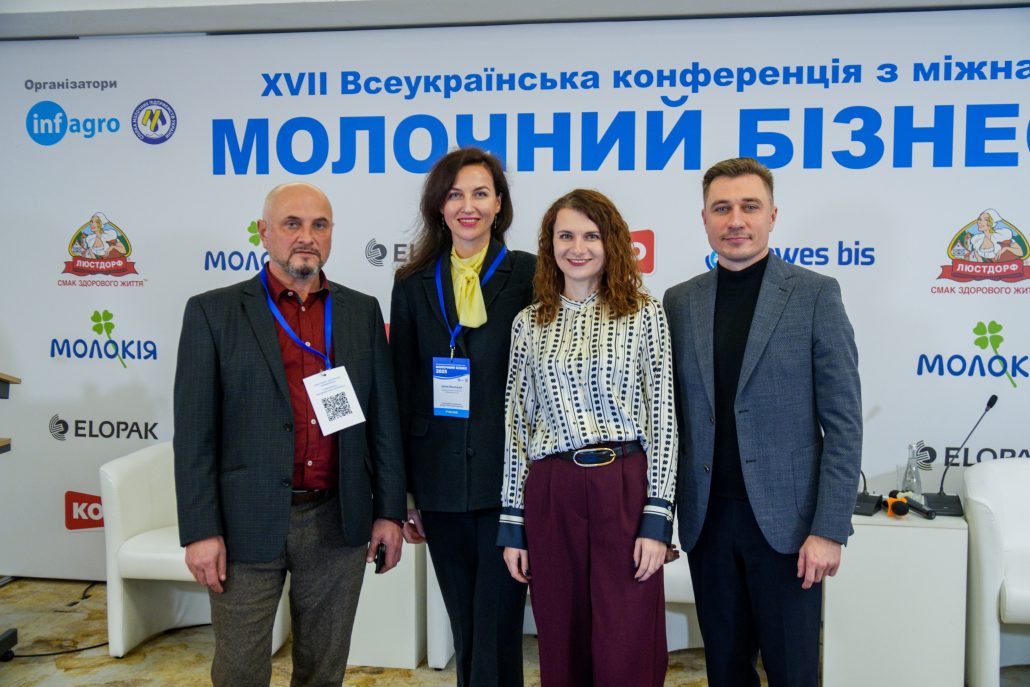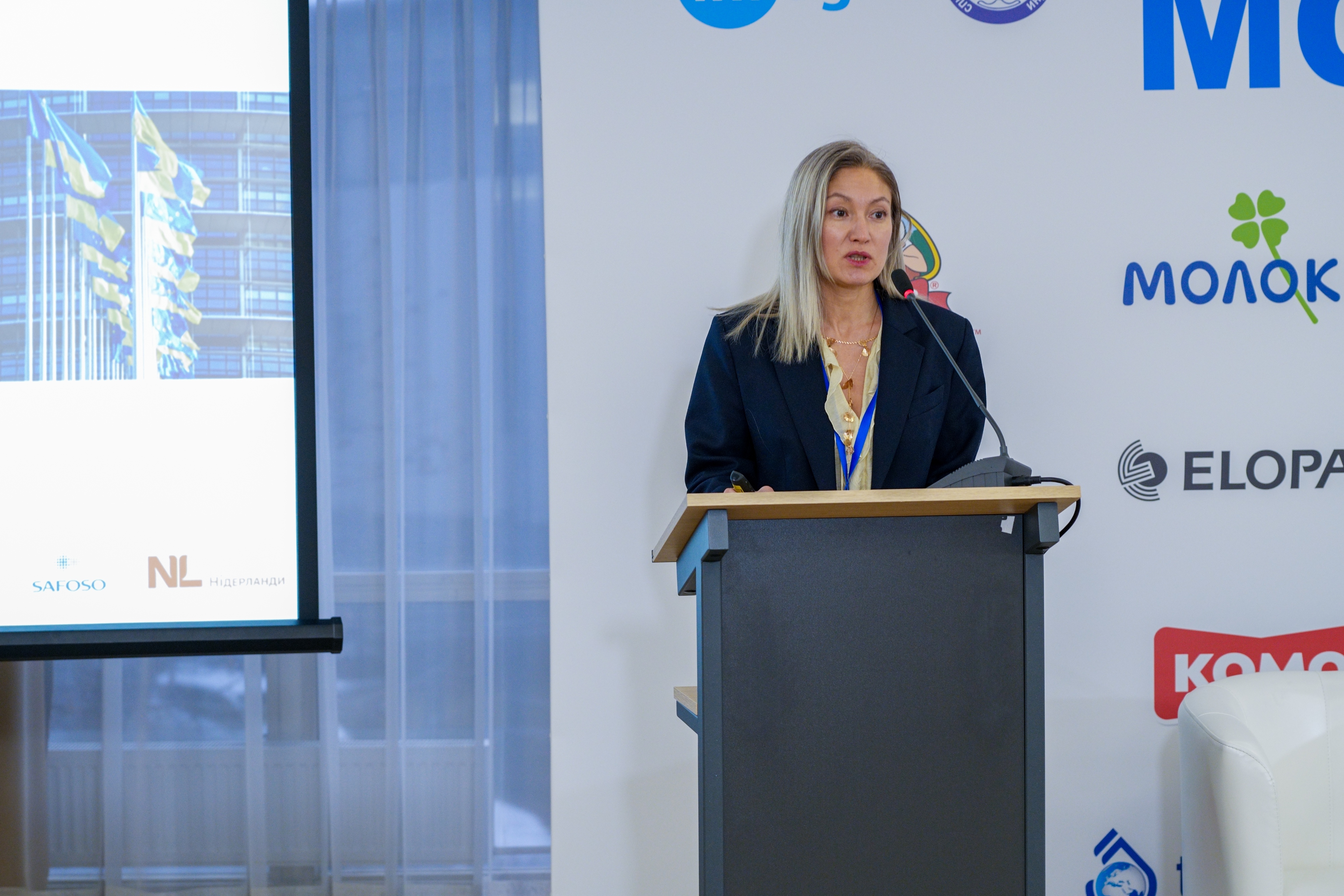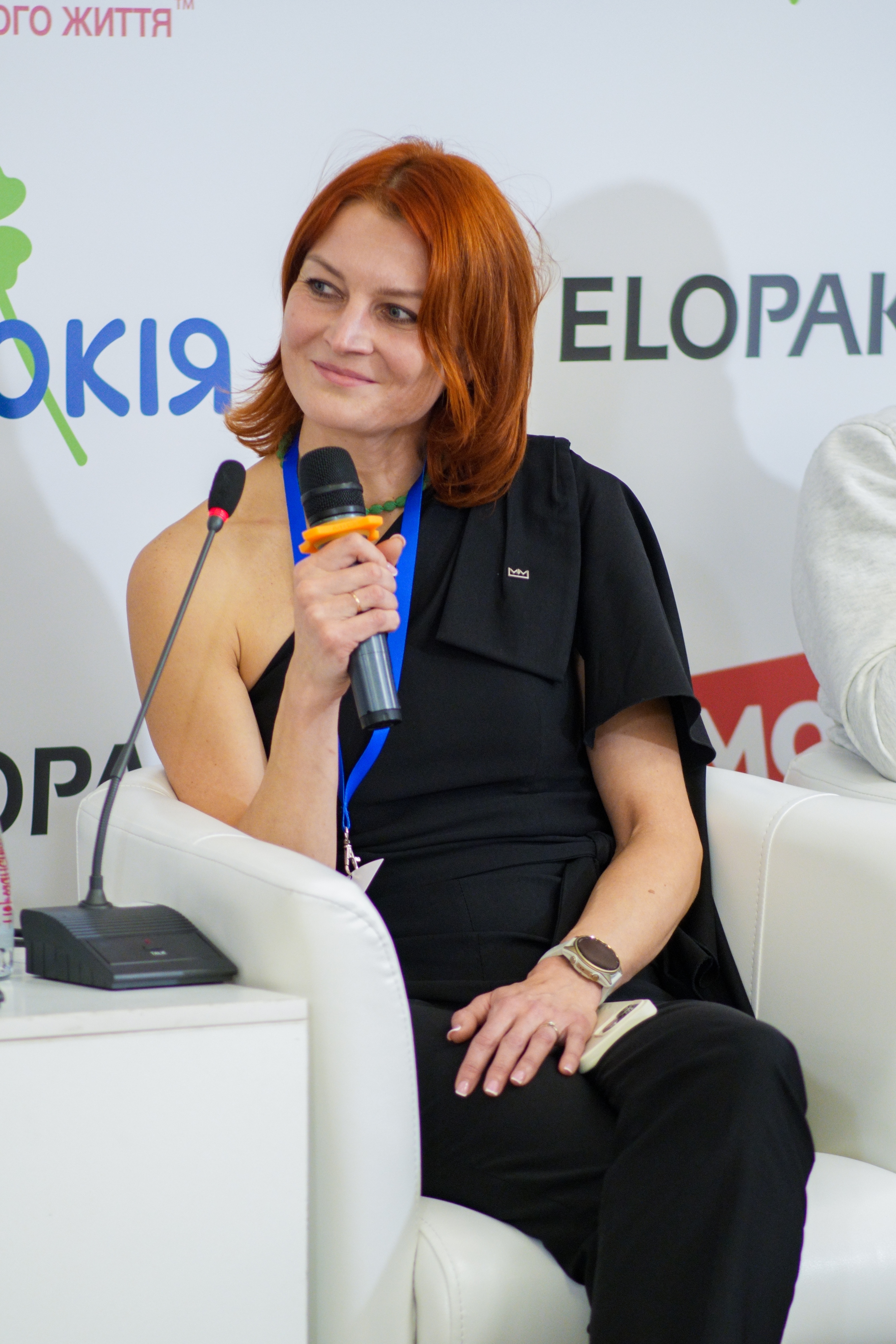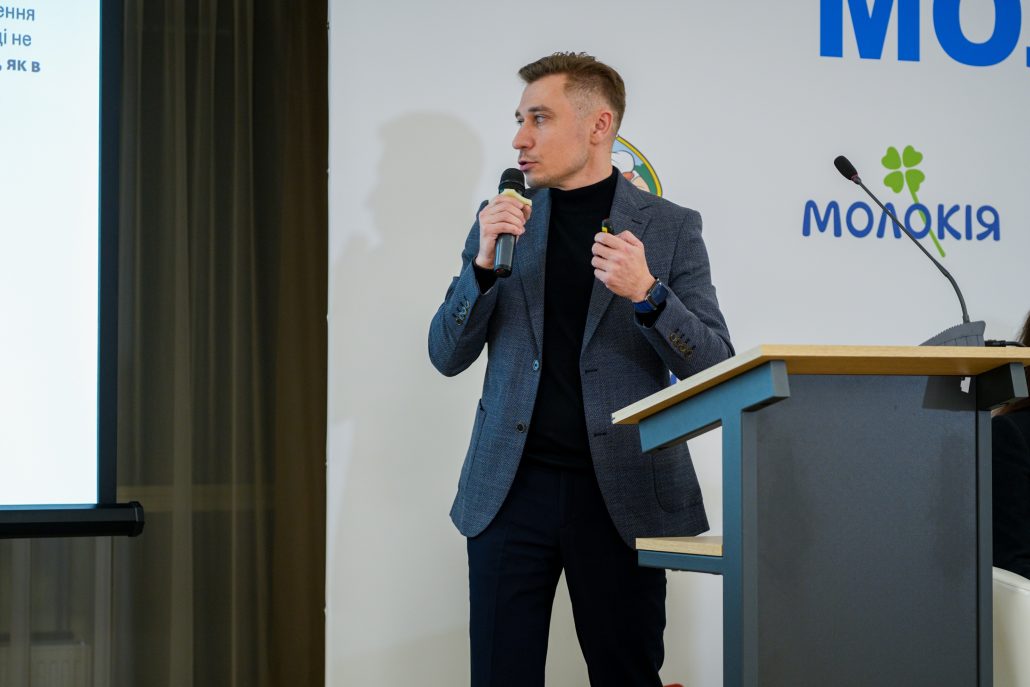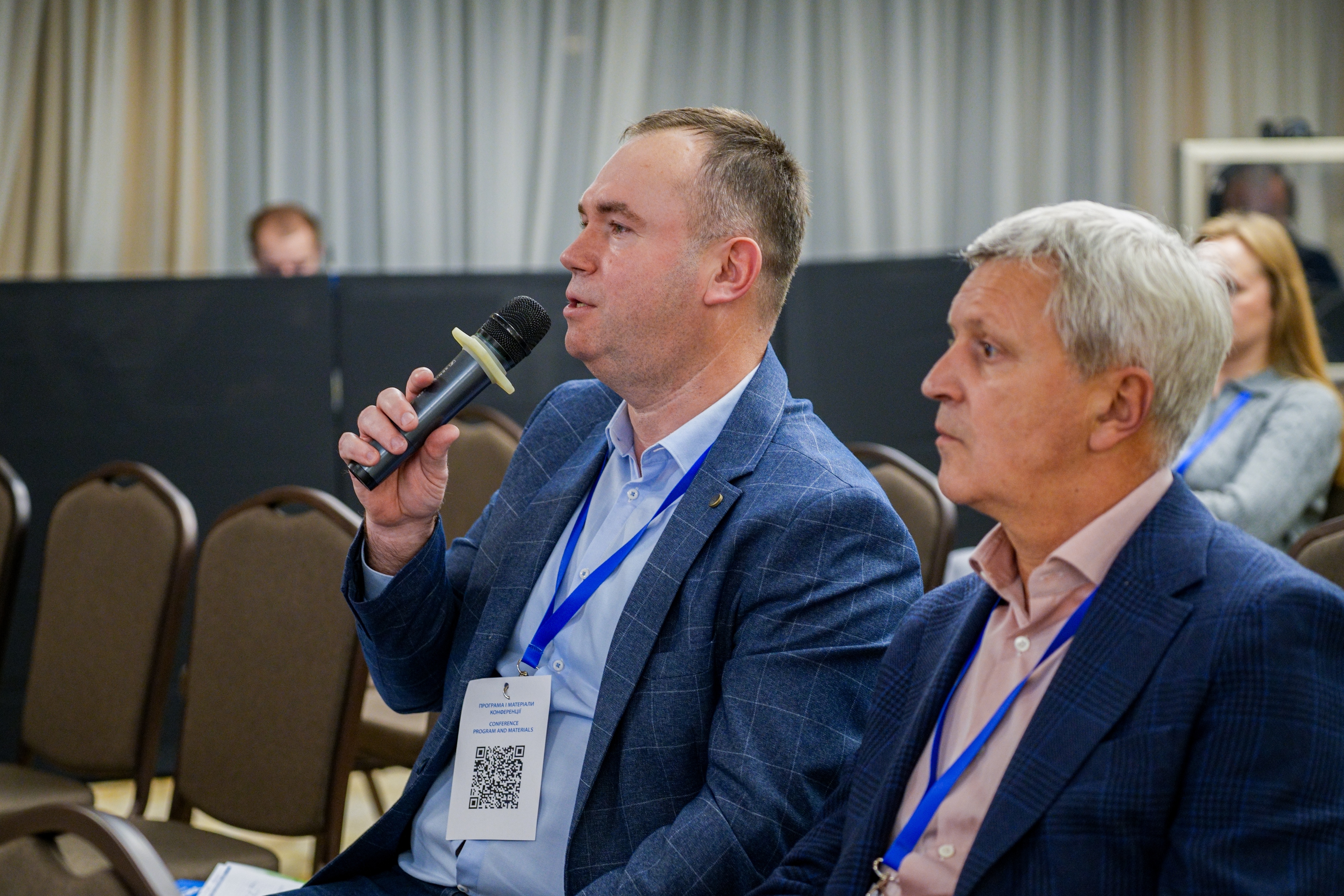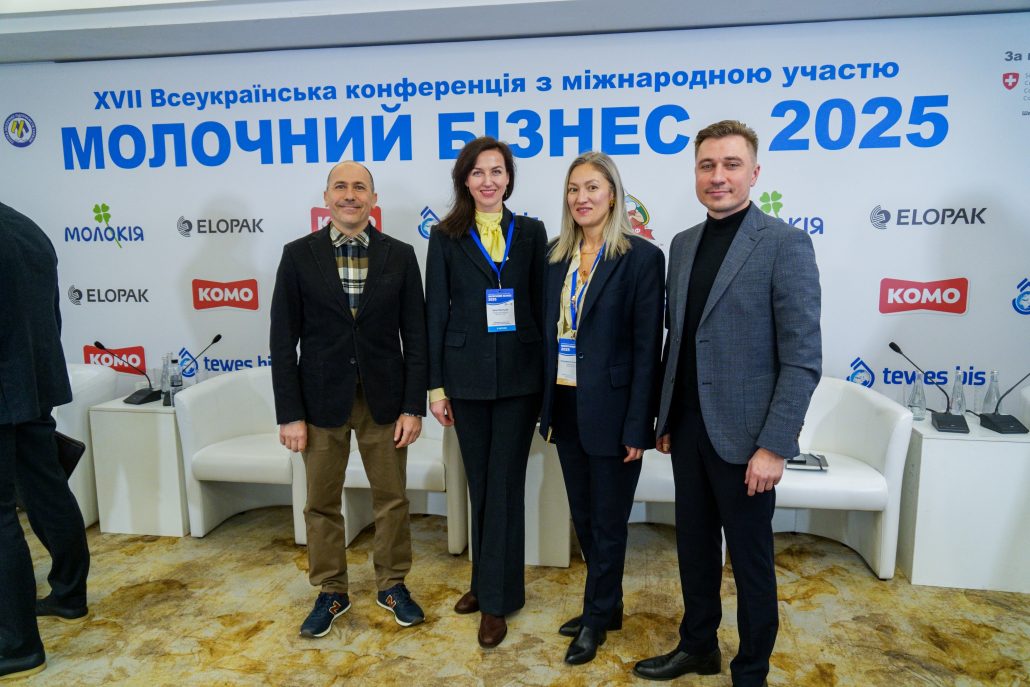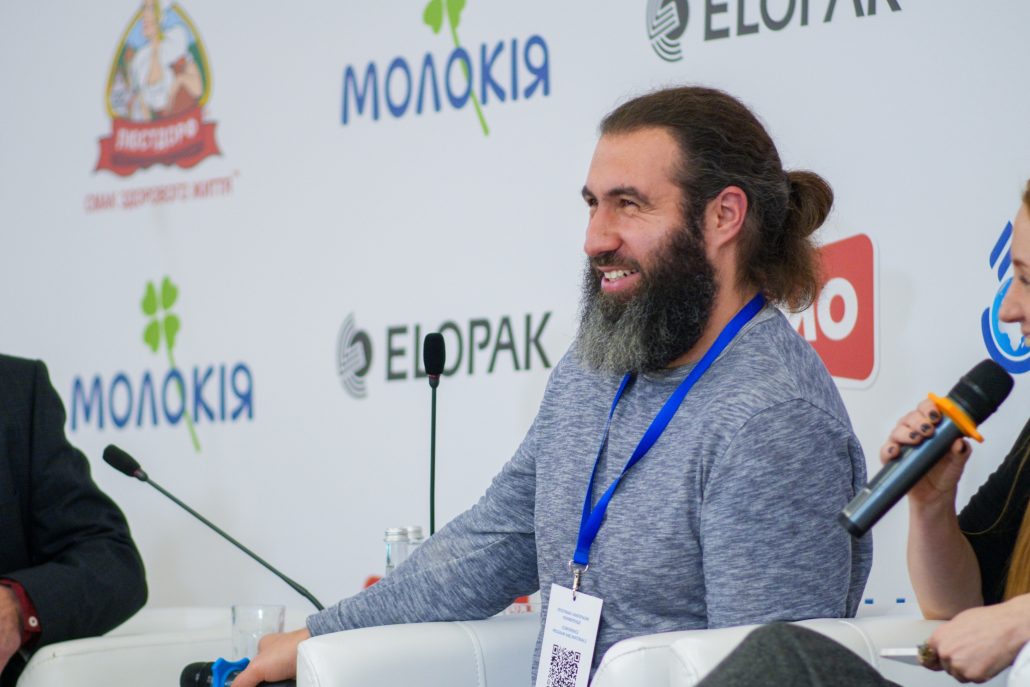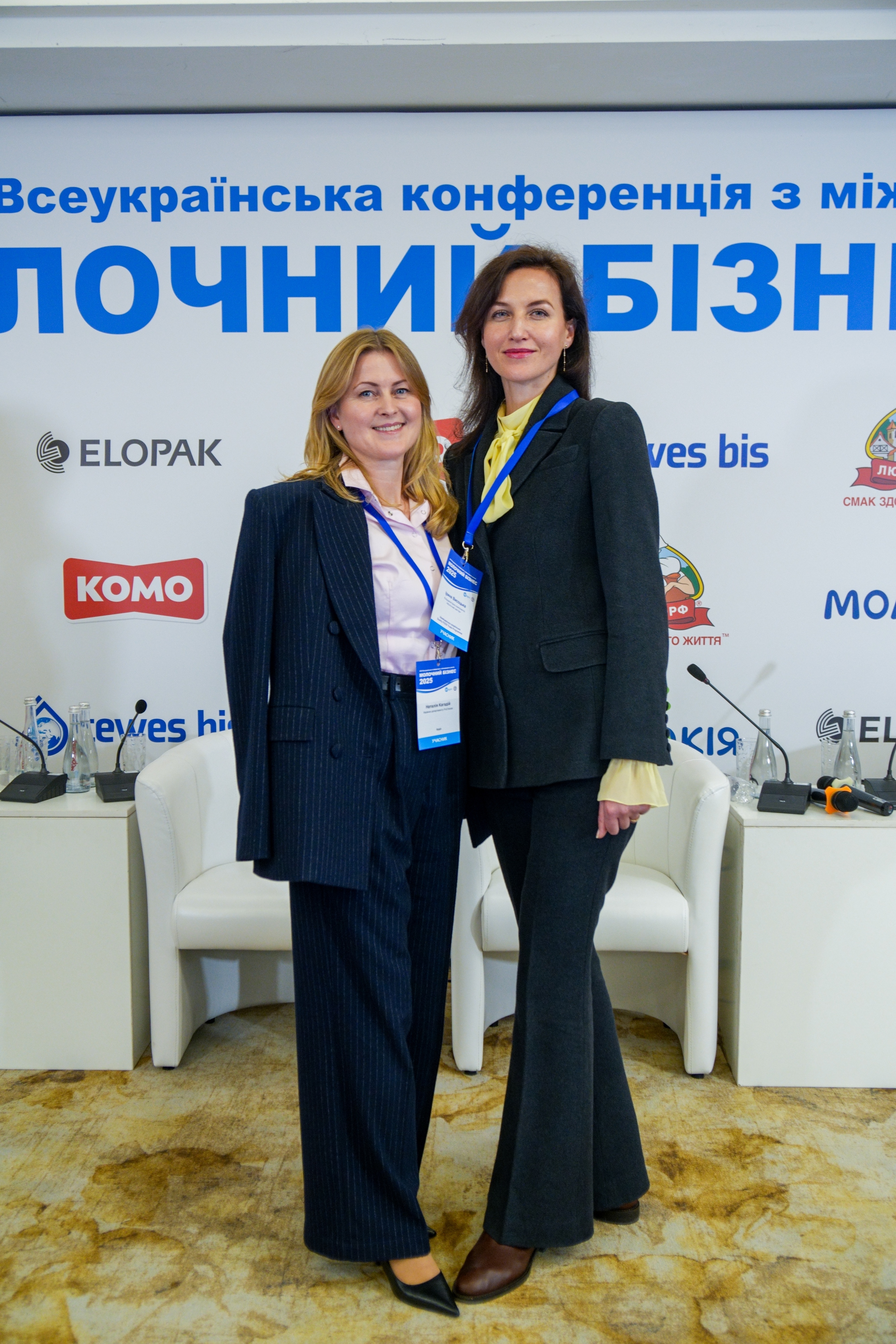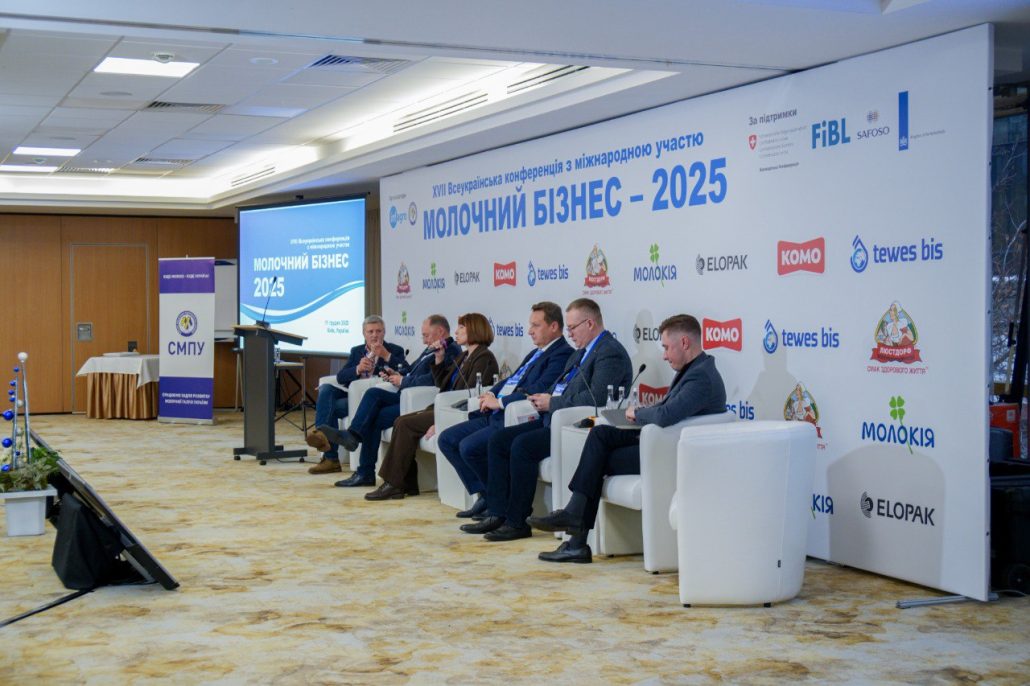
On 11 December, the 17th All-Ukrainian Conference “Dairy Business 2025” took place, traditionally bringing together specialists from the Ukrainian dairy industry and international experts.
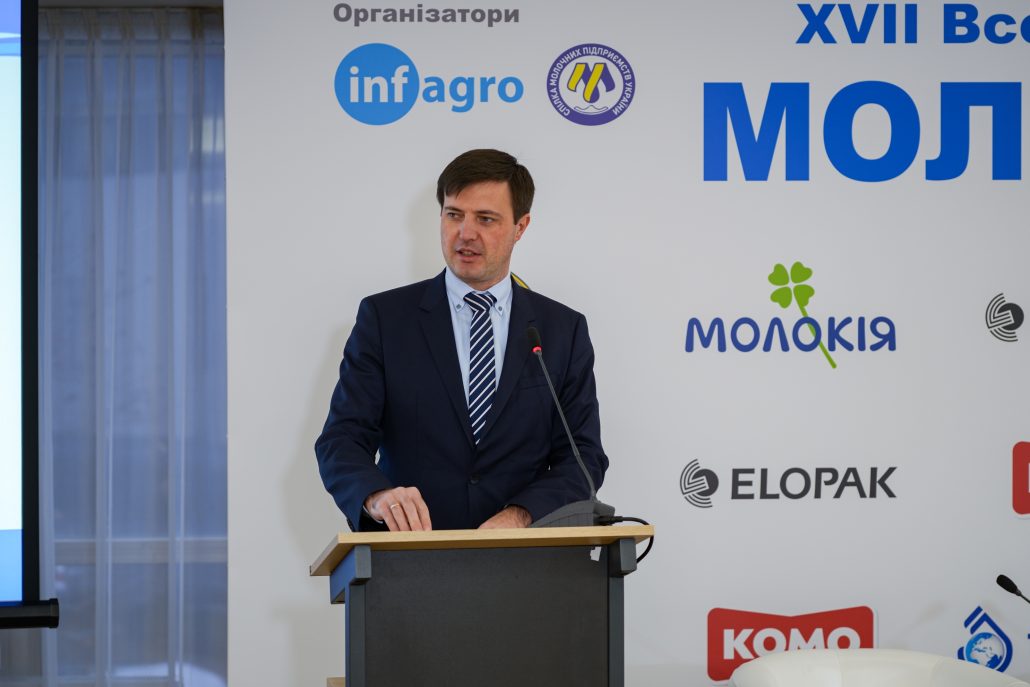
Opening the conference, Taras Vysotsky, Deputy Minister of Economy, Environment and Agriculture of Ukraine, emphasised that the key achievement of the year was the stable performance of the dairy sector. He thanked everyone working in the industry and noted positive trends: an increase in milk supplies for processing, growth in livestock numbers at agricultural enterprises, and an expected positive trade balance at the end of the year. He also announced that in the first half of next year, the final adoption of the Trade Law is planned, which should ensure a more equitable distribution of rights and opportunities along the supply chain, regardless of their financial weight. He also noted that the Ministry maintains constant contact with the European Integration Committee of the Union of Dairy Enterprises of Ukraine (hereinafter – SMPU).
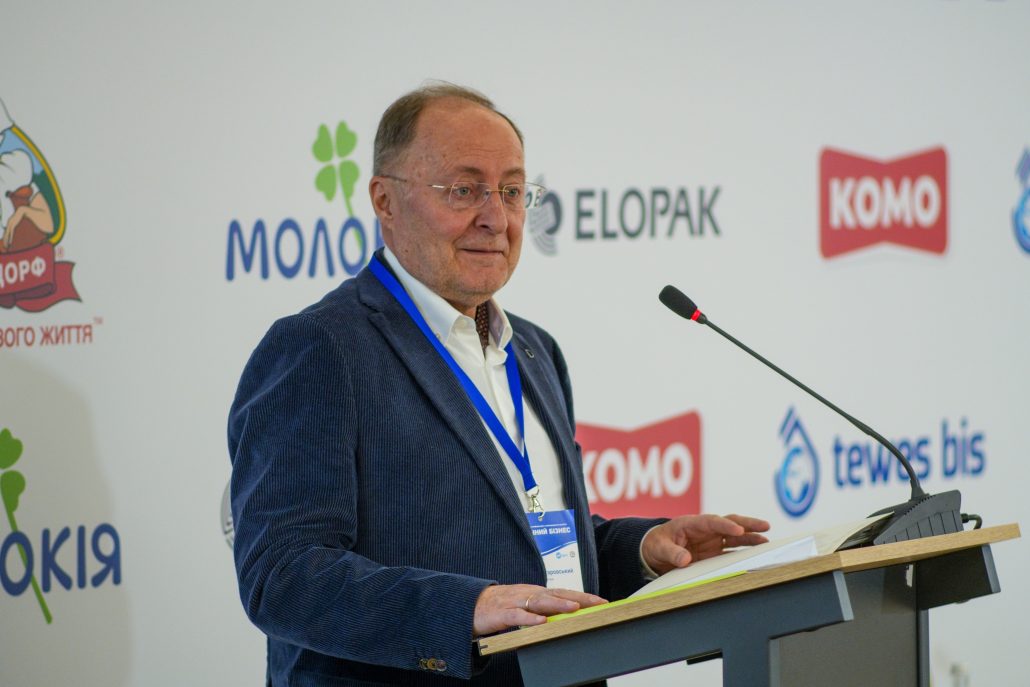
Vadym Chagarovsky, Head of the SMPU, outlined the main achievements and problems of the industry: in 2025, it is expected that around 3.5 million tonnes of milk will be processed – 10% more than last year. According to him, this is the result of the work of raw material producers, who were able to provide additional volumes. At the same time, he drew attention to the serious problems facing the industry: the growing share of counterfeit products on the market, increased cheese imports and a shortage of skilled workers. He also expressed hope that next year the SMPUwill be able to introduce a standard long-term contract to ensure stable relations between producers and processors.
Alexander Anton, Secretary General of the European Dairy Association, delivered a welcoming speech. He emphasised the importance of Ukrainian representatives participating in European discussions on the future of the Ukrainian dairy industry in the EU and the need to integrate the Ukrainian dairy sector into the European market. He stressed that the key challenge for the European dairy industry in the coming years will be to maintain sustainability, and it is precisely this, in his opinion, that the EU can learn from Ukraine.
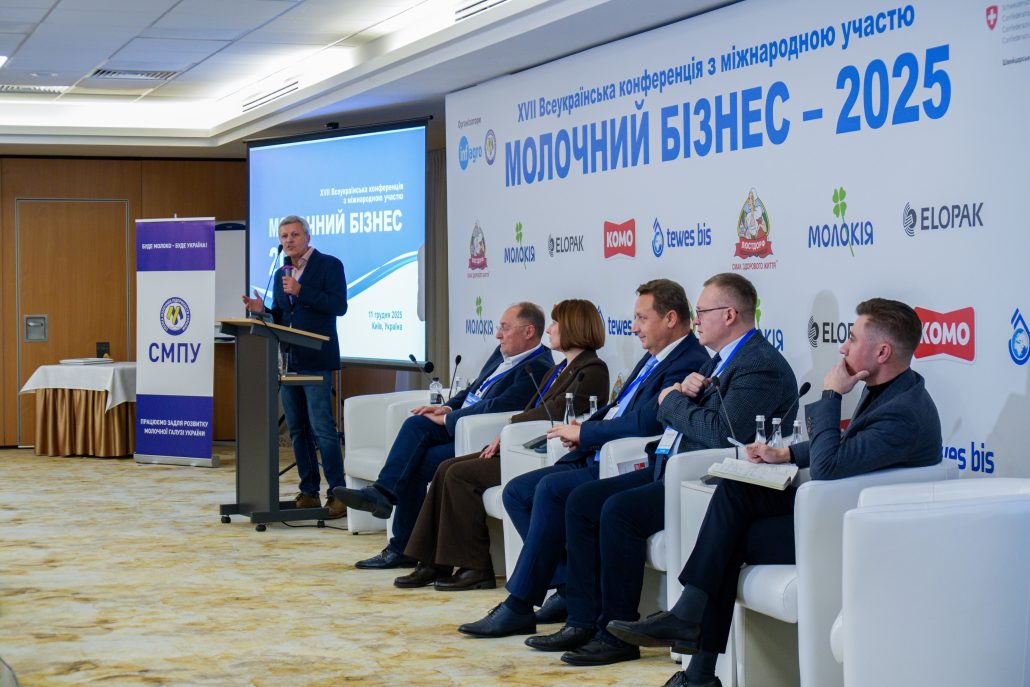
Arsen Didur, Executive Director of the SMPU, moderated a session devoted to industry challenges, opportunities and prospects. It was attended by Vadym Chagarovsky, Chairman of the SMPU, Hanna Lavrenyuk, CEO of Assosiation of Milk Producers, Valentyn Zaporoshchuk, Chairman of the Supervisory Board of the Ichnya Condensed Milk Company, Ruslan Illichov, CEO of the Federation of Employers of Ukraine, and Maksym Fasteyev, Project Partner INFAGRO, Adviser of the European Integration Committee of the Union of Dairy Enterprises of Ukraine.
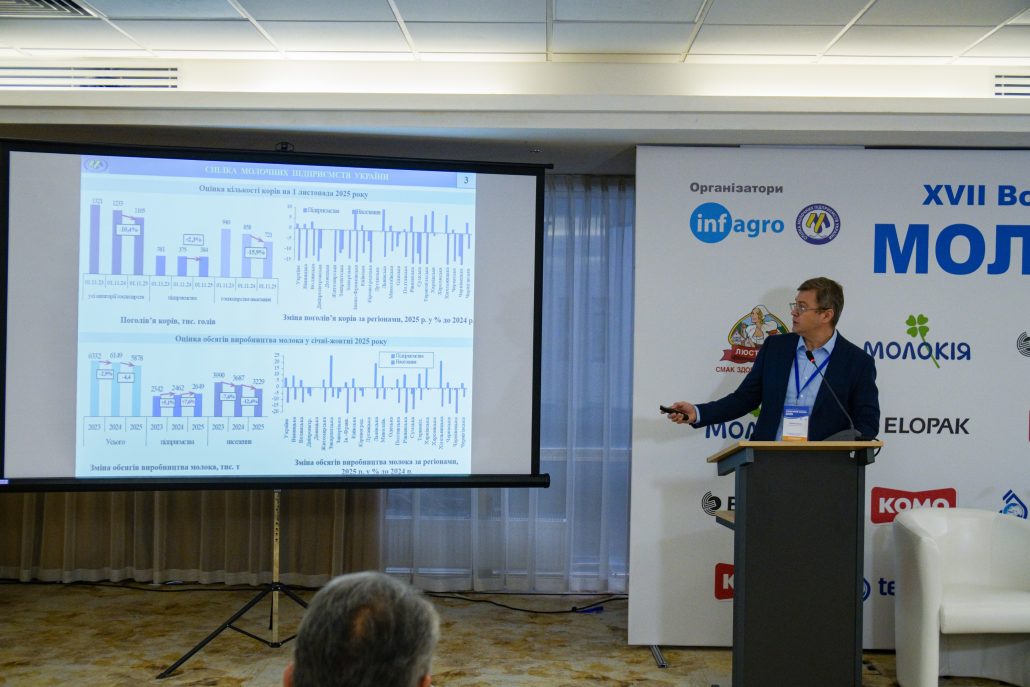
Leonid Tulush, Head of the Analytical Department of the SMPU, presented a broad analytical picture of the industry. He focused on both milk and dairy production and foreign trade, noting the need to enter markets other than the EU. He also emphasised the issue of pricing and the importance of long-term contracts, which reduce the risks of price fluctuations.
Igor Guzhva, Director at the Institute for Informatisation and Economic Modeling, drew delegates’ attention to the intensification of global competition, which is already affecting the Ukrainian industry. In particular, this includes the EU agreement with Mercosur countries, competition with the USA on the world market, and aggressive expansion of production capacities in Russia and Belarus, which create additional risks. He emphasised the importance of developing vertically integrated partnerships and the active participation of industry associations in attracting EU funding.
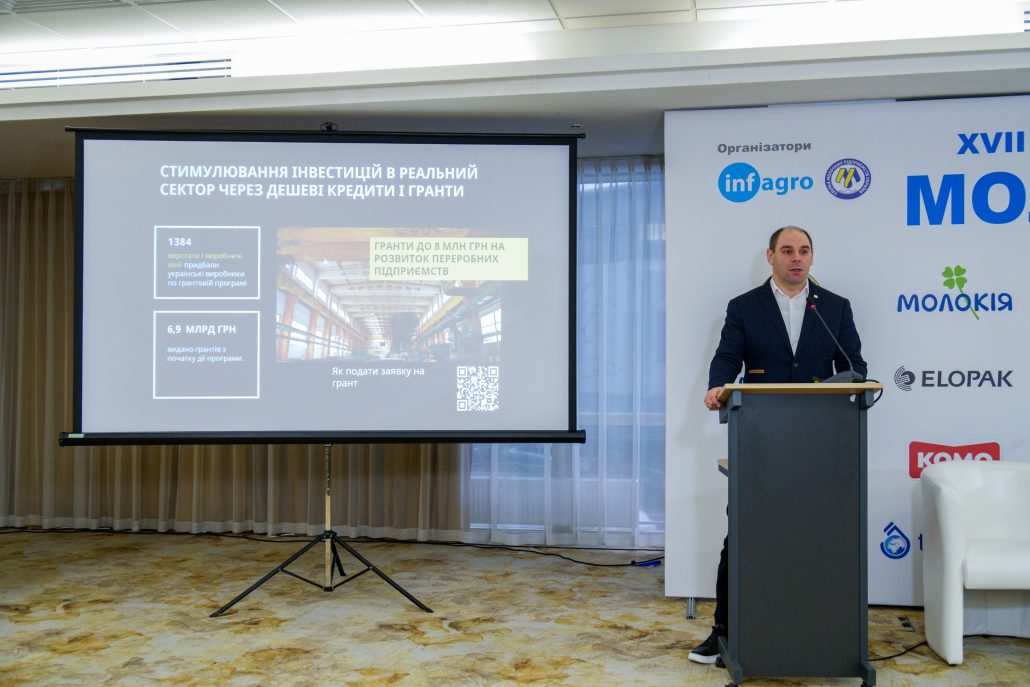
Dmytro Kysylevsky, Deputy Chairman of the Verkhovna Rada Committee on Economic Development, presented the practical aspects of financing the development and modernisation of production. In his report, he spoke about the possibilities of grant programmes for enterprises affected by the destruction, the advantages of industrial parks, instruments for insuring investments against military risks, and the launch of a programme on 1 January to compensate up to UAH 10 million for damaged property in frontline communities. He also announced tax instruments for capital investment compensation, which are expected to come into effect in early 2027.
Continuing Alexander Anton’s idea about the need to integrate the Ukrainian dairy industry into the European lactosphere, Elisabeth Sviatkivska, Coordinator of the European Integration Committee of the Union of Dairy Enterprises of Ukraine, gave a presentation highlighting the progress made in developing the Roadmap for EU Integration of the Dairy Sector of Ukraine and called on dairy companies to familiarise themselves with the draft document and provide their comments.
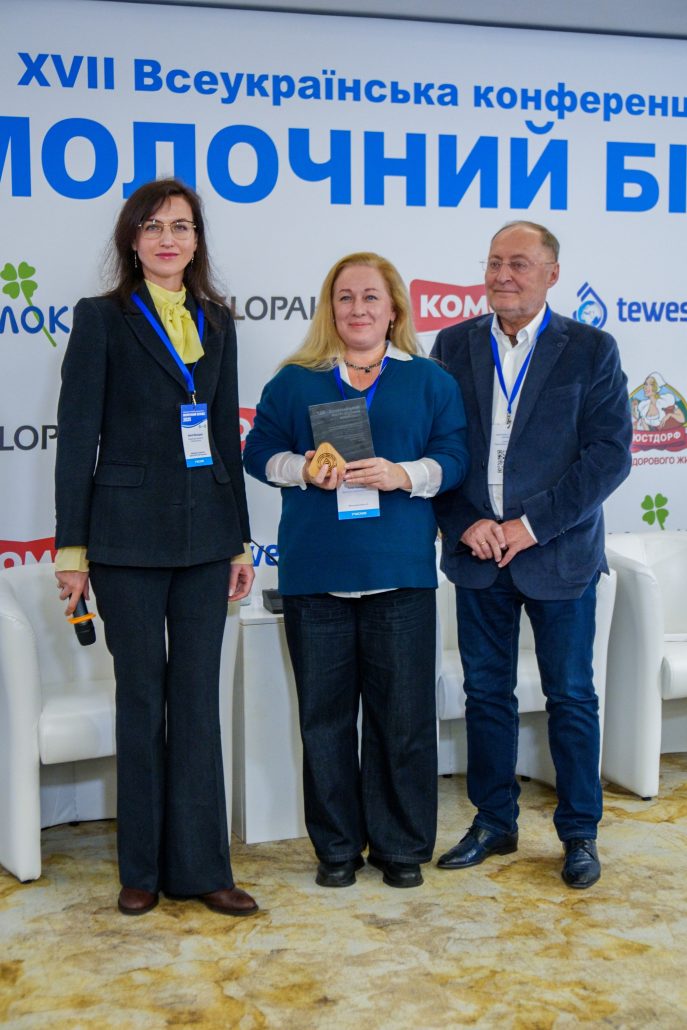
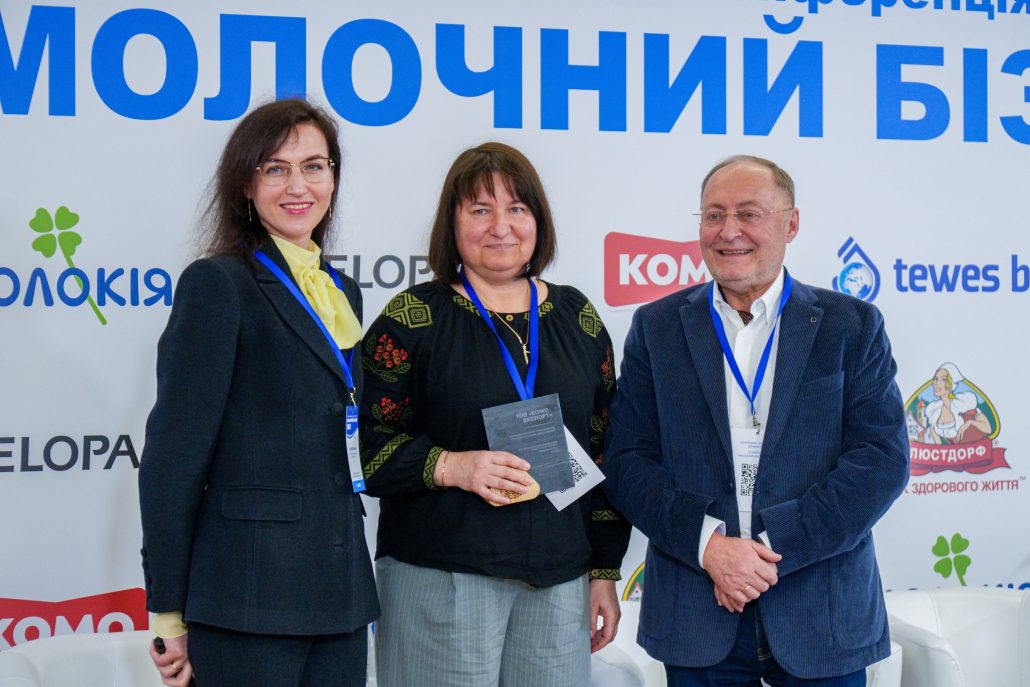
At the end of the first session, the SMPUand the Swiss-Ukrainian Programme “Higher Value Added Trade from the Organic and Dairy Sectors in Ukraine”(Quality FOOD Trade Programme, QFTP) awarded a number of dairy companies with certificates and commemorative awards.
In the technical part of the conference, Grzegorz Lokuczewski, commercial director of the Polish company Tewes BIS, presented his company’s capabilities aimed at solving technological problems in milk processing and helping enterprises improve their efficiency.
The panel discussion, moderated by Kyrylo Yezhov, Director of Business Development at KANTAR Ukraine, focused on marketing, sales and the specifics of the domestic dairy market. The participation of Andriy Tuchak, Commercial Director at KOMO, Nataliya Hryn, Marketing Director at Group of Companies “Milk Alliance”, and Tetiana Korovina, Marketing Director at Molokiya, made the discussion substantive and revealed the common obstacles that companies must overcome to achieve high sales results for various categories of dairy products. Vasyl Vintoniak, Director of INFAGRO, presented an overview of changes in dairy consumption in Ukraine.
Iryna Vysotska, Dairy Sector Component Coordinator, QFTP, moderated a discussion among experts who gathered to discuss the prospects and opportunities for exporting Ukrainian dairy products. European experts took part in the discussion: Veronique Aguerra, Lead Consultant at GIRA, who shared her vision of the future, and Jukka Likitalo, Secretary General of Eucolait, who presented the details of the new Ukraine-EU trade agreement to the delegates. Maksym Fasteyev, Project Partner INFAGRO, spoke about trade balances, noting the growth in exports to Moldova and value-added goods to the EU, while Olga Gvozdyova, advisor to the director of the Entrepreneurship and Export Promotion Office, presented study on Kazakhstan as a promising market for Ukrainian dairy products.
This is the fourth Dairy Business 2025 conference held amid full-scale war. It has once again confirmed that the Ukrainian dairy industry is capable not only of surviving but also of moving forward, strengthening its position in domestic and international markets and preparing for integration into the European dairy space.
This event was supported by Switzerland within the framework of the Swiss-Ukrainian Programme “Higher Value Added Trade from the Organic and Dairy Sectors in Ukraine” (QFTP) implemented by the Research Institute of Organic Agriculture (FiBL, Switzerland) in partnership with SAFOSO AG (Switzerland), www.qftp.org.
The event was supported by the Embassy of the Kingdom of the Netherlands in Ukraine.
The conference partners were Elopak, KOMO, Loostdorf, Molokiya and Tewes-BIS.