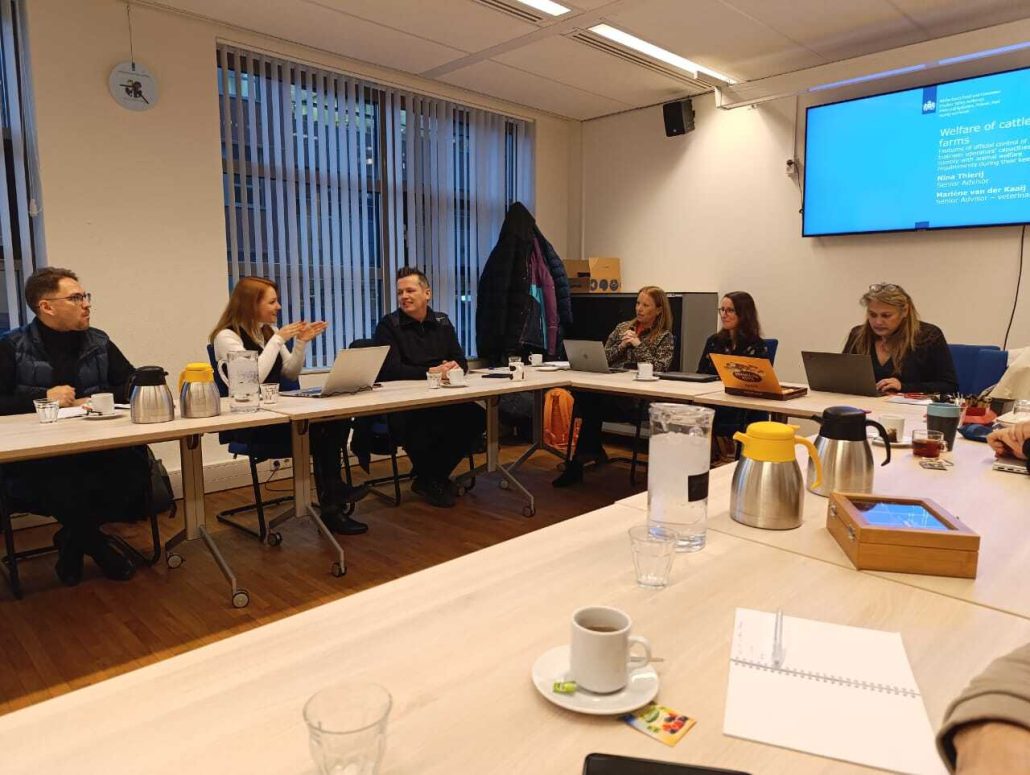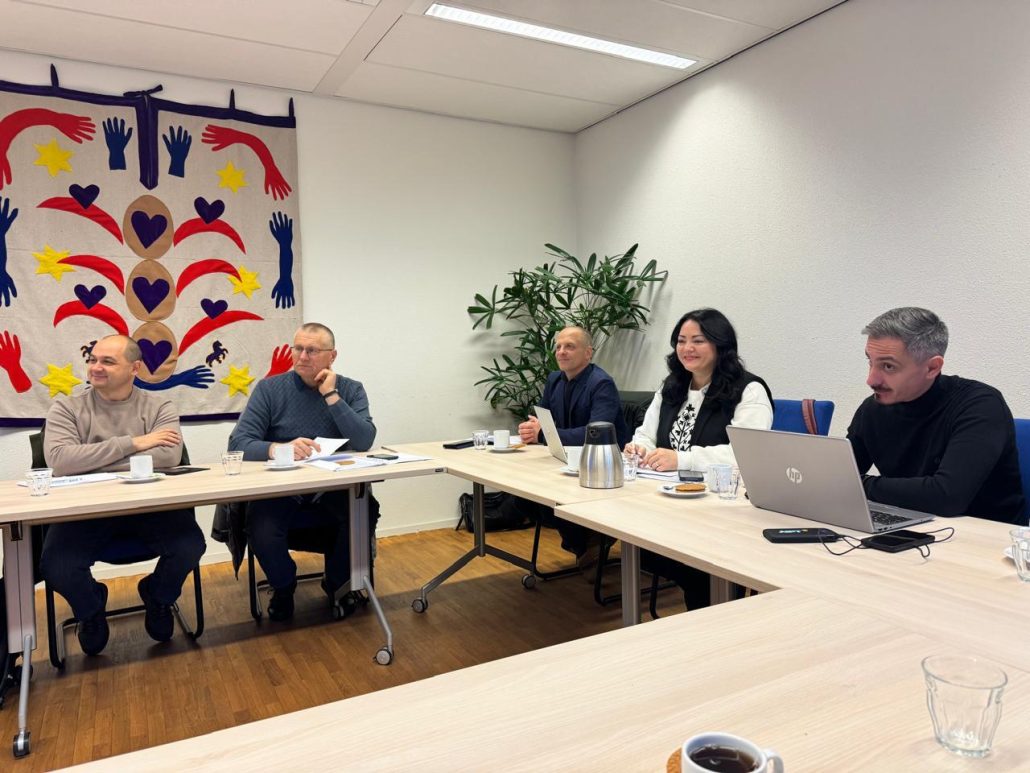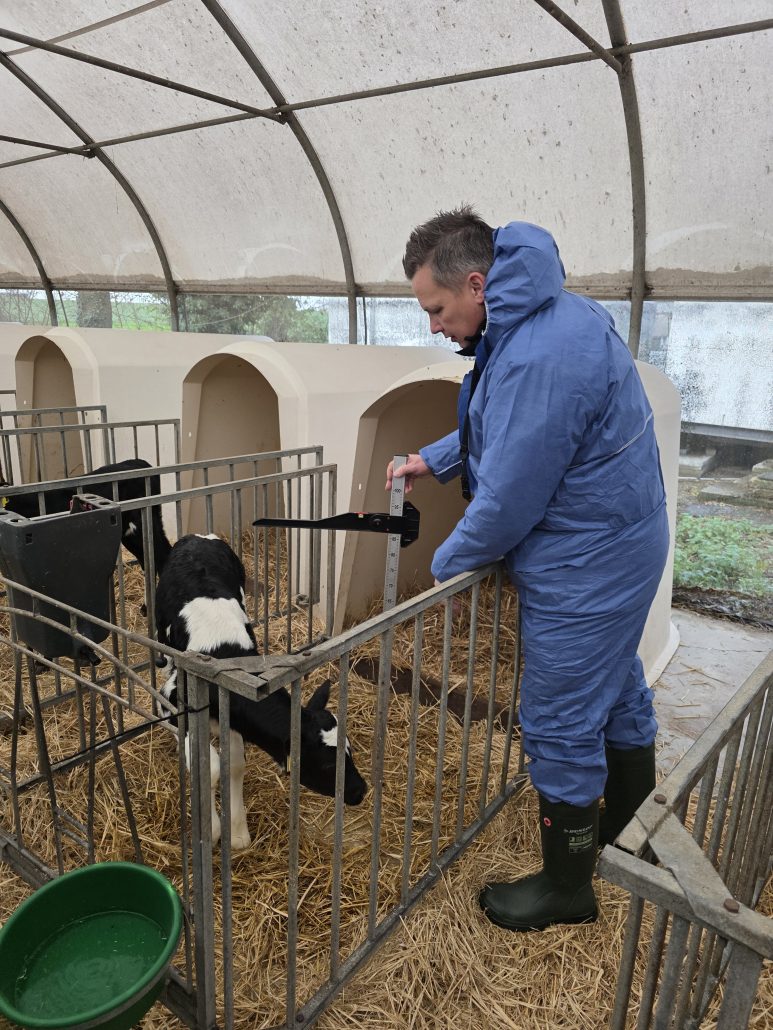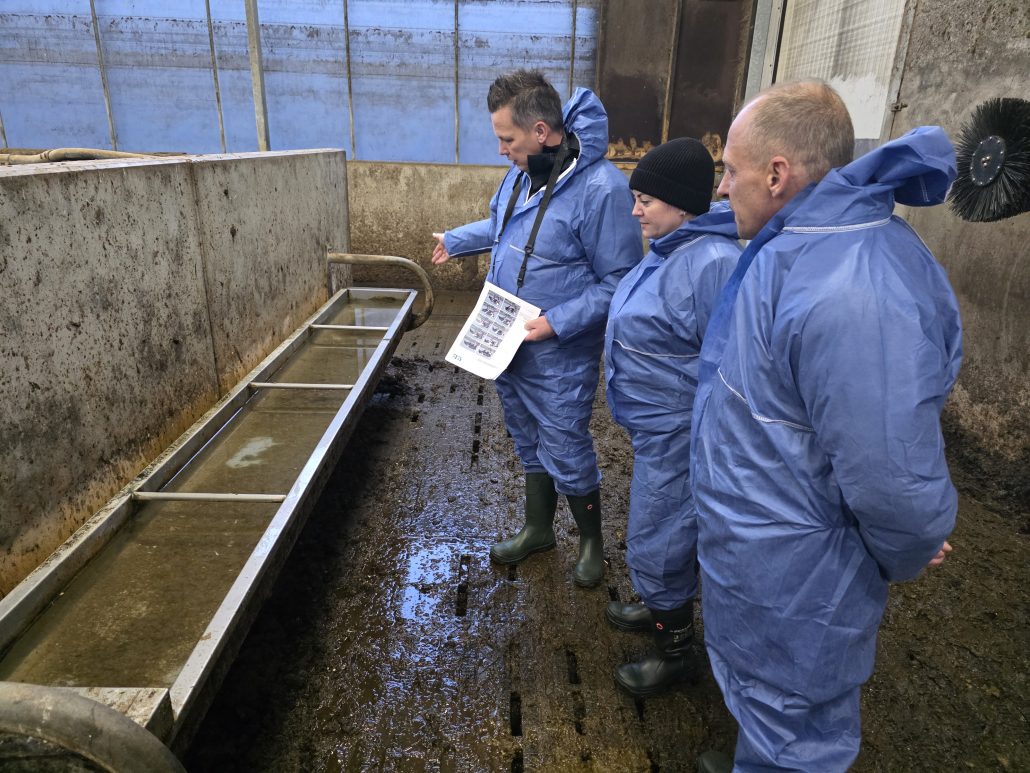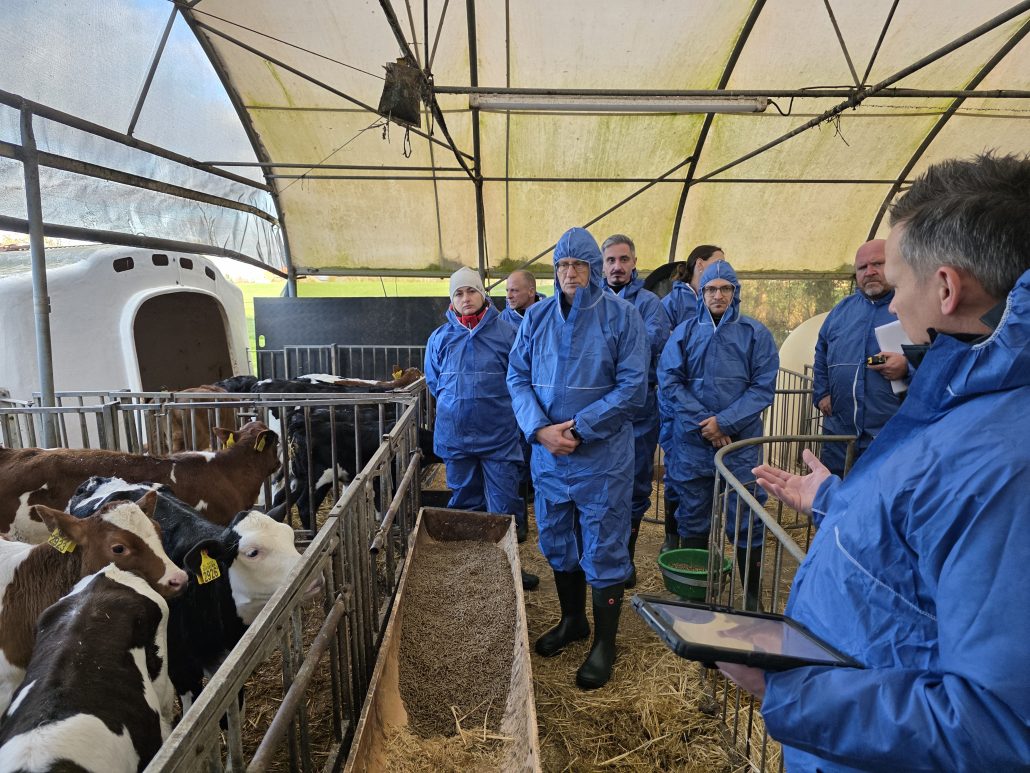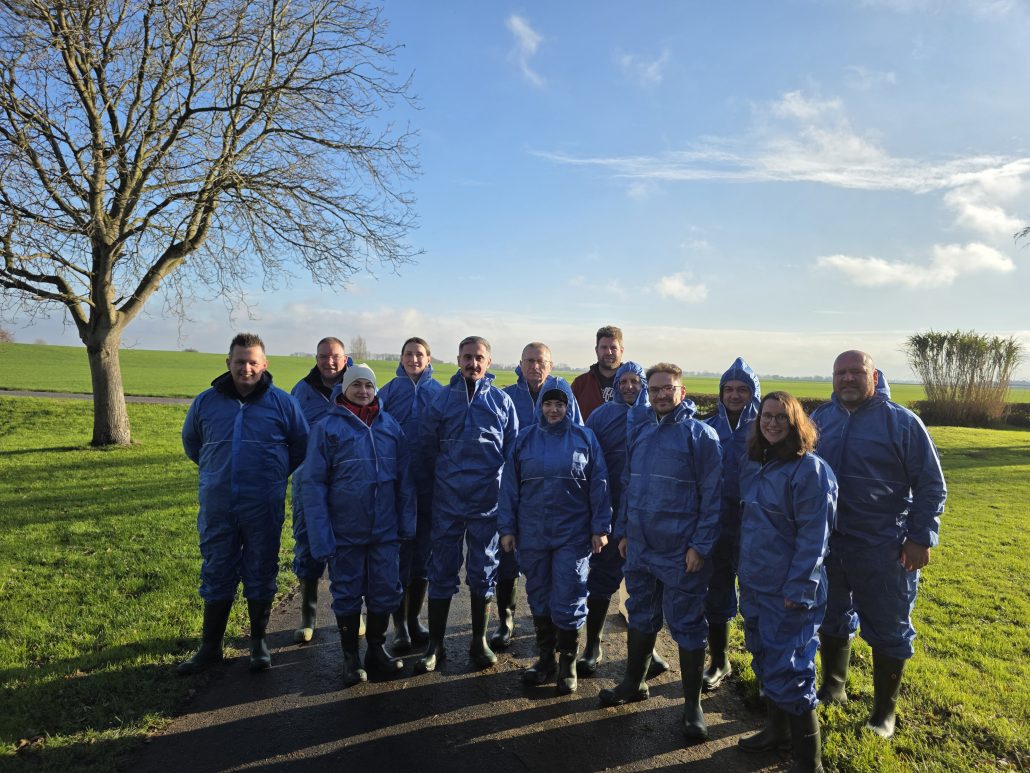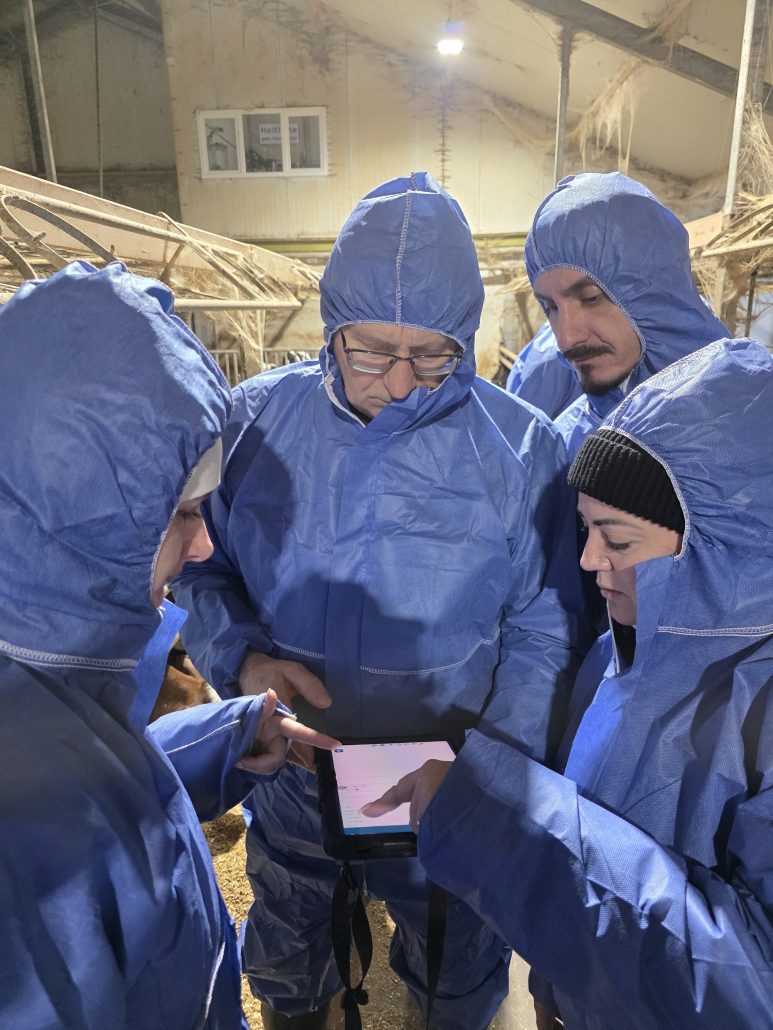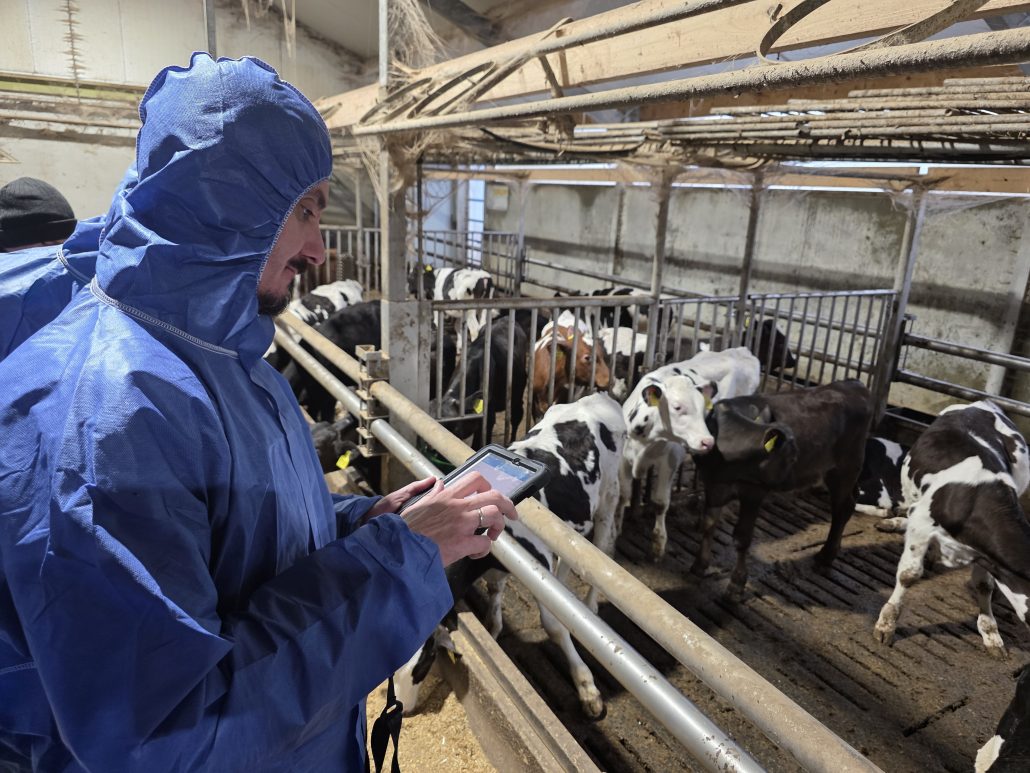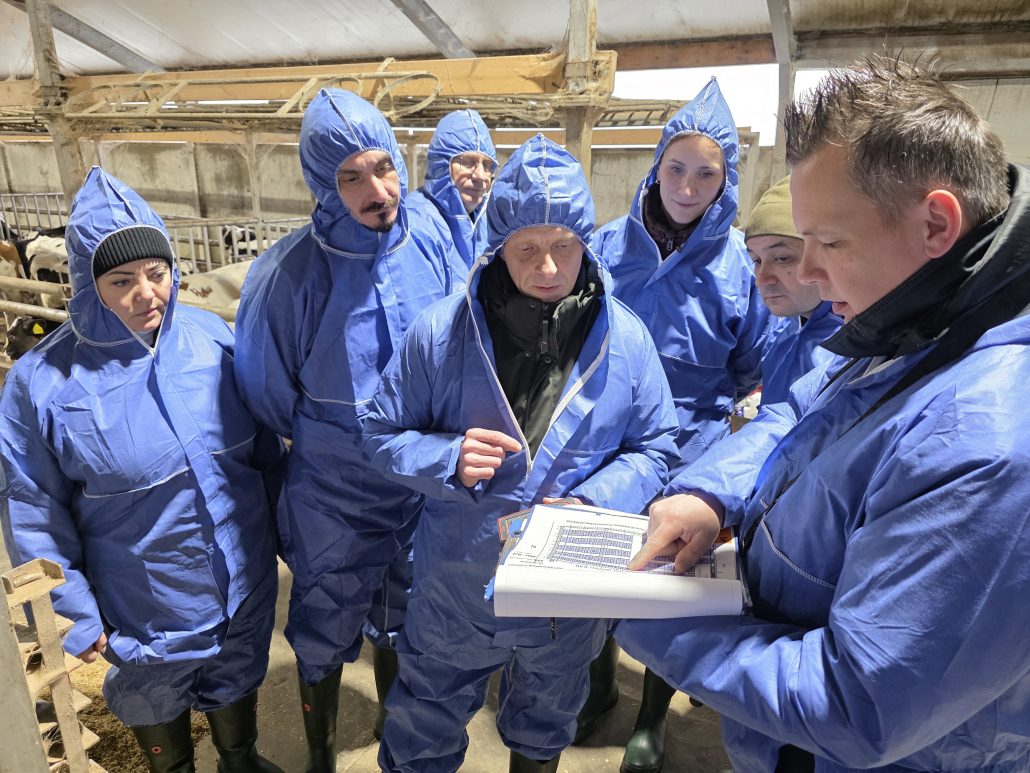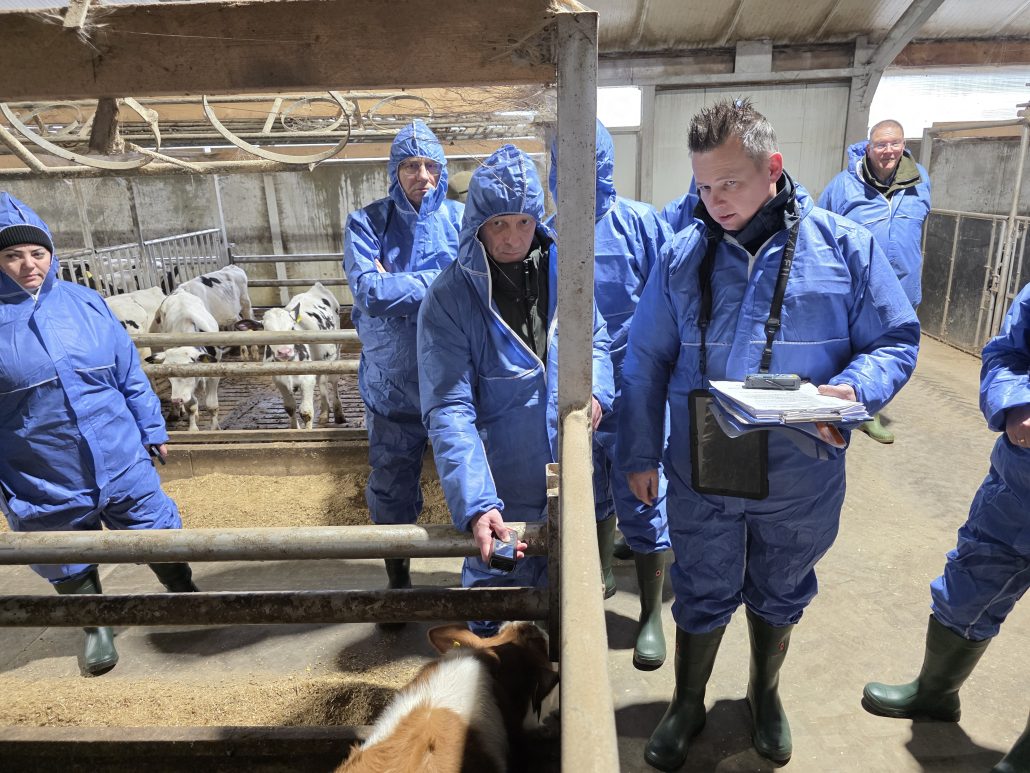
Studying the experience of EU countries in implementing legislation on the welfare of ruminants and carrying out official controls to ensure compliance with these requirements was the main topic of the second study visit to the Netherlands by representatives of the Ministry of Economy, Environment and Agriculture of Ukraine (hereinafter – MEEAU) and the State Service of Ukraine on Food Safety and Consumer Protection (hereinafter – SSUFSCP), which took place from 24 to 28 November 2025 with the support of the Government of the Kingdom of the Netherlands and Switzerland within the framework of the Swiss-Ukrainian Programme “Higher Value Added Trade from the Organic and Dairy Sector in Ukraine” (QFTP).
In the Netherlands, EU legislation on animal welfare, including that of ruminants, has been implemented for many years. An effective system of official controls operates there, ensuring a high level of compliance by business operators with these requirements and responding to public demand for the continuous improvement of animal welfare during keeping, transportation, and killing. For Ukraine, which is currently actively aligning its national legislation with EU requirements in this field and working on their implementation, studying the experience of the Netherlands is particularly valuable.
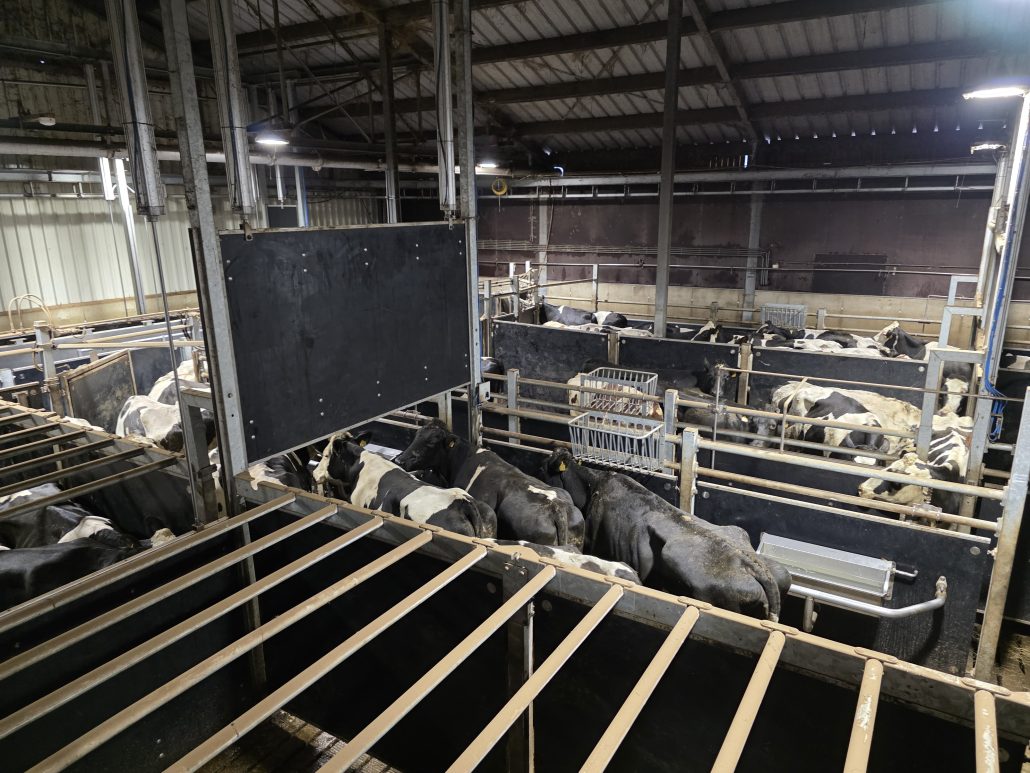
The study visit programme combined a theoretical part on the legal requirements for the welfare of ruminants during keeping, transportation and killing with practical visits to establishments so that the Ukrainian delegation could see how the legislative requirements are implemented in practice and gain knowledge about the specifics of inspections and other control measures to ensure compliance with these requirements.
To study issues related to the welfare of ruminant animals during keeping, specialists of the Netherlands Food and Consumer Product Safety Authority (hereinafter – NVWA), which is the competent authority in the Netherlands for animal welfare, covered during theoretical presentations the key aspects of European legislation and the specific features of national legislation, the approach to risk-based planning and implementation of official control measures to ensure compliance with legislative requirements, typical violations identified during inspections and the policy of liability for different types of infringements, tools for ensuring a uniform approach by inspectors across the country (checklists for inspections, guidelines, training, etc.), as well as how the NVWA ensures improved compliance with animal welfare requirements by business operators.
To consolidate the theoretical knowledge, the following sites were visited:
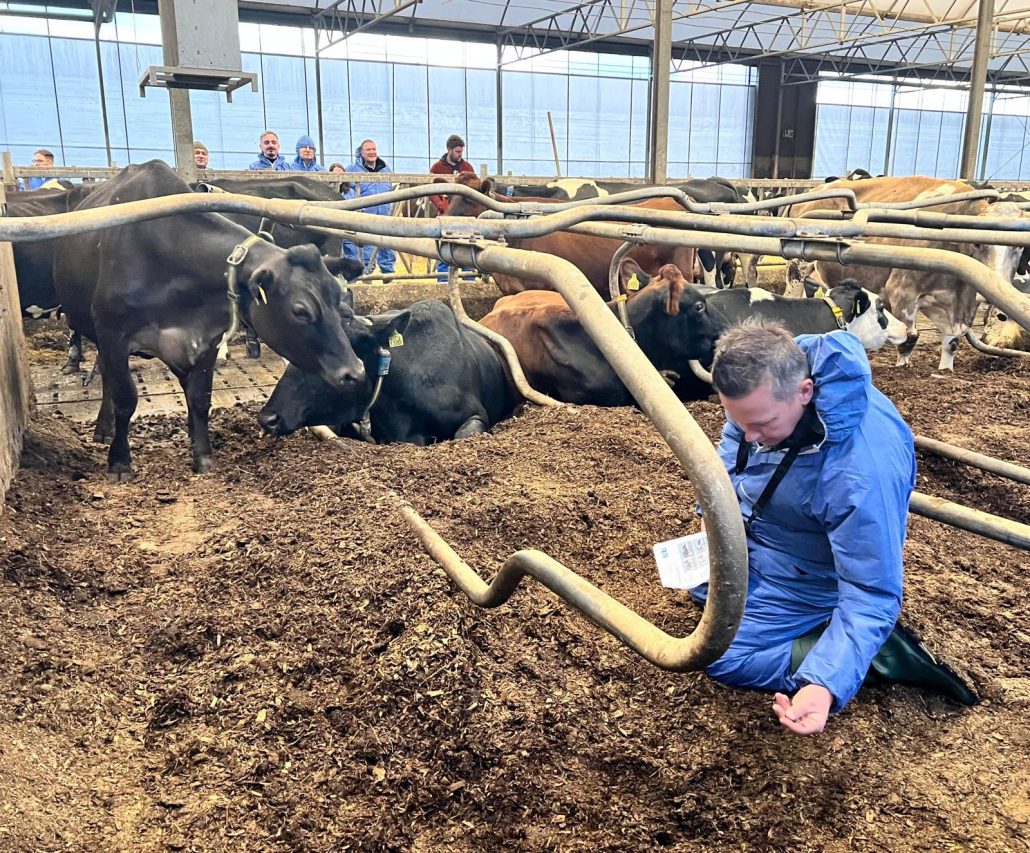
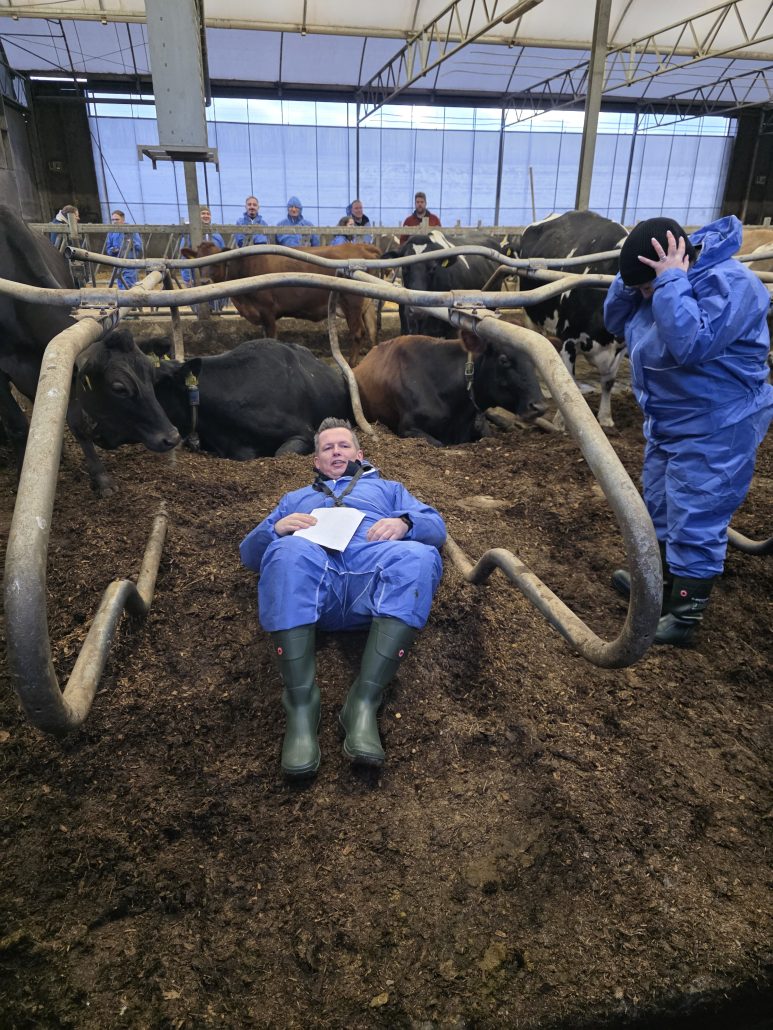
- a dairy farm and small cheese factory producing traditional Gouda cheese using milk from the farm’s cows;
- a farm for beef cattle and sheep, which is unique in that the animals spend most of the year on large natural pastures and return to livestock buildings in winter, in particular for synchronised calving;
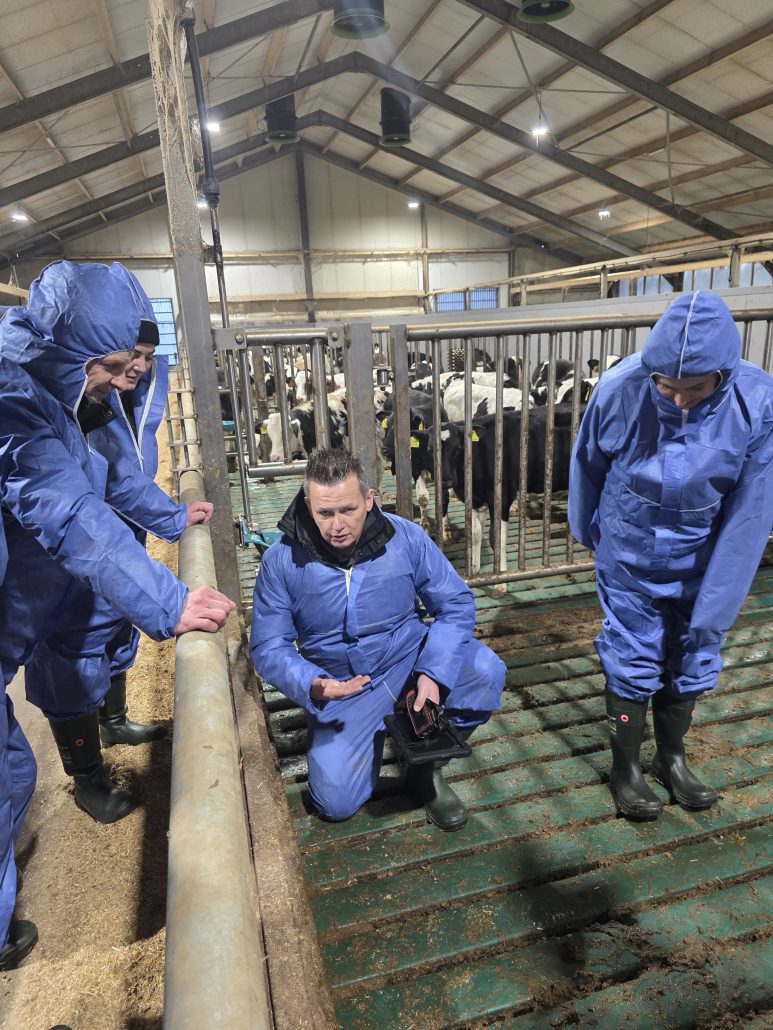
- a farm for raising calves up to six months of age for veal production, operating under an “all free, all occupied” husbandry system.
The visits to farms took the form of simulated inspections, during which the senior NVWA inspector presented the principles and approaches to inspecting business operators’ compliance with animal welfare legislation requirements in different husbandry systems. The inspector demonstrated to the participants which parameters and indicators need to be considered in order to verify compliance with legal requirements, in particular those that are not specific and can be interpreted differently by both inspectors and business operators.
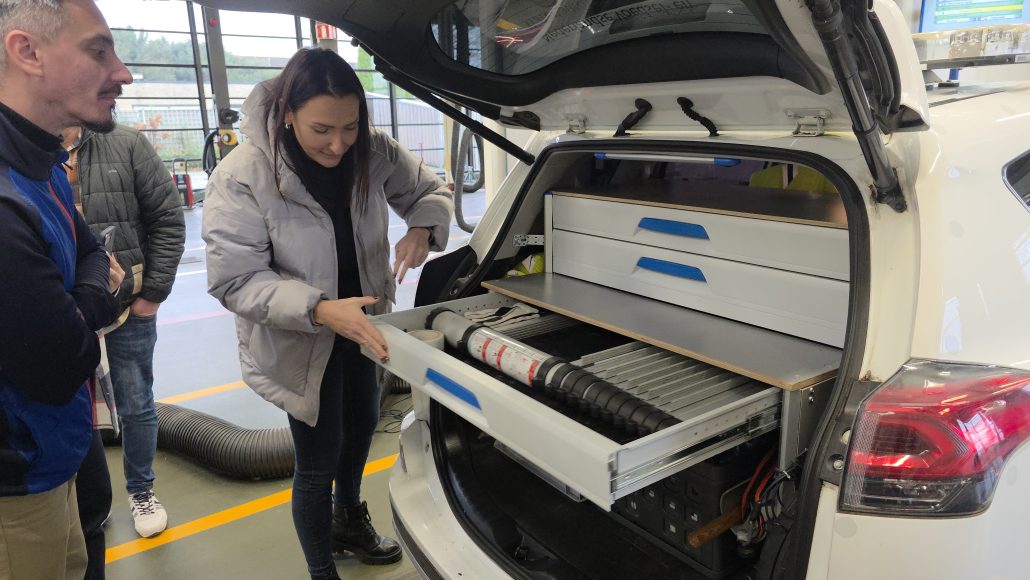
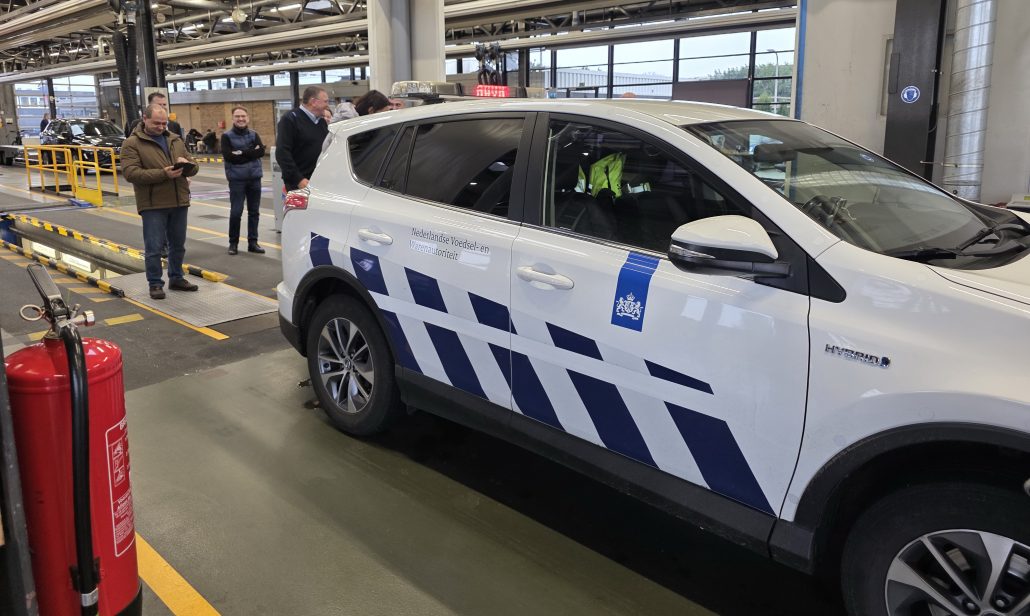
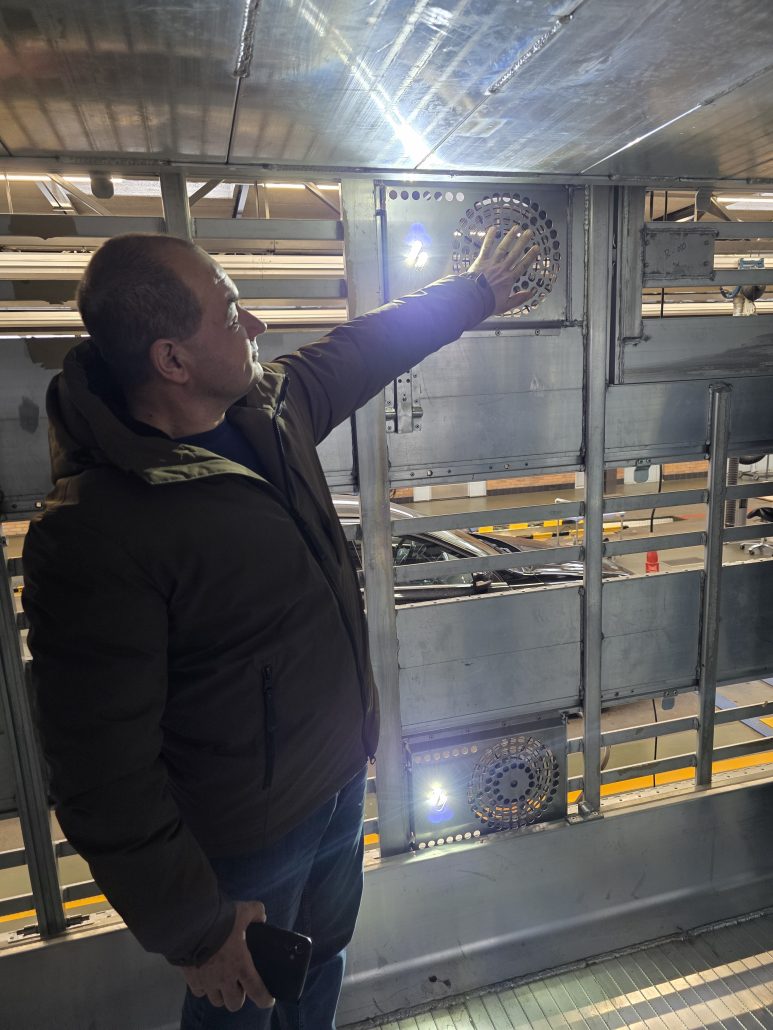
In order to familiarise the delegation members with the Netherlands’ approach to implementing EU legislation on the protection of animals during transportation, the NVWA inspector gave a theoretical presentation explaining the requirements for short-term (up to 8 hours) and long-term (more than 8 hours) animal transportation, presented the features of national legislation that form the basis for the implementation of a training system for drivers and attendants on animal welfare requirements, the approval of vehicles for long-term transportation of live animals, keeping relevant documentation during long-term transportation, stopping vehicles transporting live animals directly on the road by NVWA inspectors to inspect compliance with animal welfare requirements, and explained the procedure for such inspections, as well as the policy of responsibility in case of non-compliance. During the practical part, the NVWA inspector demonstrated a specialised vehicle designed to stop vehicles transporting live animals for inspection. The delegation members also had the opportunity to observe a real-life inspection of a new vehicle for the purpose of approving it for long-term transportation of live animals and issuing a certificate. The inspection was carried out by specialists from the independent non-profit organisation RDW, which is authorised to perform this function by the Ministry of Agriculture, Fisheries, Food Security and Nature of the Netherlands (hereinafter – LVVN).
To address aspects related to the welfare of ruminants during export procedures, NVWA specialists provided a detailed presentation of the legal requirements, the certification process and the role of the official veterinarian in this process. To reinforce theoretical knowledge, a visit was made to an establishment (centre) for the collection of animals, including for export. NVWA official veterinarians presented the legal requirements for such centres and the approach to official control measures for their activities.
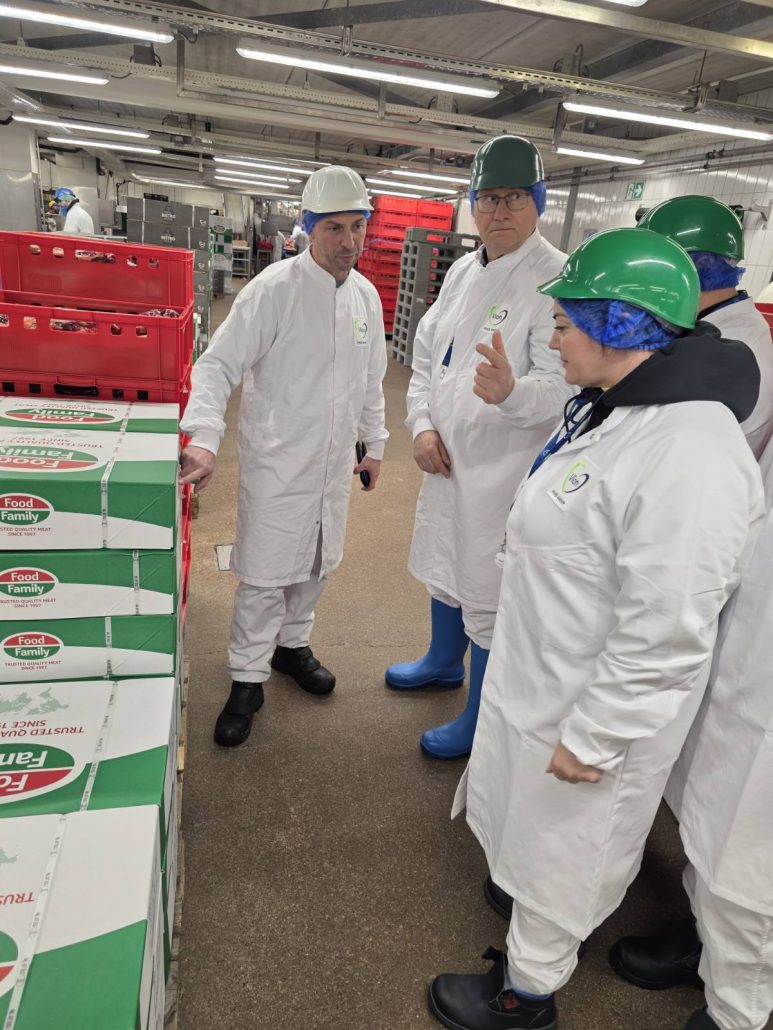
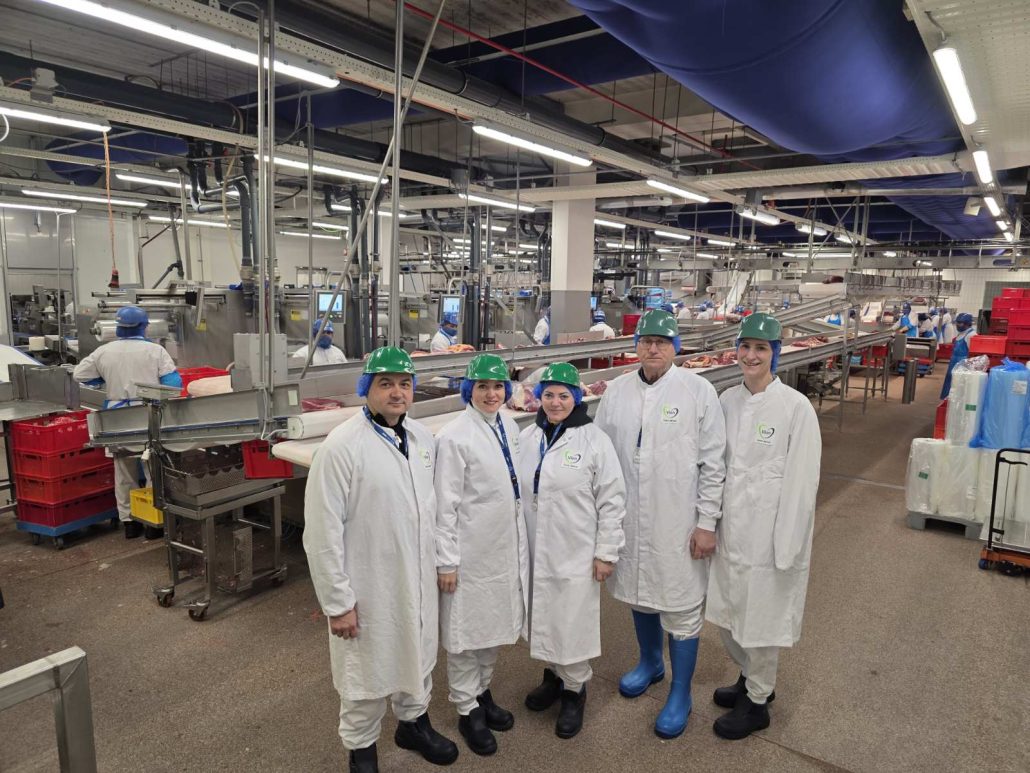
During the theoretical part of the training, NVWA experts discussed the specifics of implementing EU legislation on the protection of ruminants during slaughter at the national level and the implementation of official control measures for business operators engaged in the slaughter of ruminants to ensure compliance with animal welfare requirements. They familiarised participants with the main requirements of the legislation, the obligations of business operators, the training system for business operators and establishment’s personnel, the approach to training official veterinarians and their assistants, and their role and tasks in carrying out daily controls in terms of animal welfare, the principle of planning and carrying out periodic scheduled controls of slaughter facilities, possible grounds for unscheduled control measures and the policy of responsibility for identified non-compliances, as well as the requirements for emergency slaughter outside the slaughterhouse. Theoretical knowledge was reinforced during a visit to a cattle slaughterhouse, where the main stages of monitoring the business operator’s activities in terms of implementing standard operating procedures for animal welfare – from the moment the vehicle with animals arrives until they are slaughtered, as well as the procedure for responding when non-compliance is detected, including during post-mortem inspection.
At the request of the delegation, NVWA experts also presented the specifics of implementing welfare requirements for circus, laboratory and zoo animals and the system for monitoring compliance with these requirements, as this is one of the aspects of European integration.
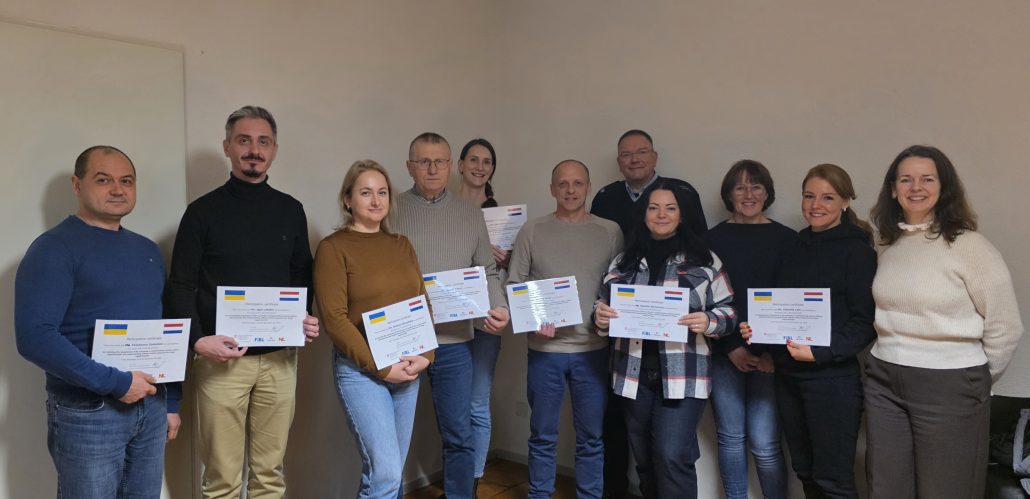
At the end of the visit, the delegation members received certificates of participation in the study visit and discussed with the NVWA opportunities for further in-depth cooperation in the field of animal welfare.
The delegation members highly appreciated the organisation and programme of the study visit, and noted the importance of the knowledge and materials obtained during the visit, which will contribute to the completion of the process of harmonisation of the national legislation on animal welfare in line with EU requirements, the development of various implementation documents, the conduct of awareness-raising activities for all target audiences, and practical training sessions with a view to fully implementing the requirements of the legislation and ensuring a uniform approach to the implementation of official control measures to ensure compliance by business operators with the requirements of animal welfare legislation in Ukraine.
The study visit was supported by the Governments of the Kingdom of the Netherlands and Switzerland within the Swiss-Ukrainian Programme Higher Value Added Trade from the Organic and Dairy Sector in Ukraine (QFTP), implemented by the Research Institute of Organic Agriculture (FiBL, Switzerland) in partnership with SAFOSO AG (Switzerland), https://qftp.org/.
For reference:
The first study visit to the Netherlands to learn about the EU countries’ experience in implementing animal welfare requirements and carrying out official controls to ensure compliance with these requirements took place from 7 to 11 April 2025.
The study visits to the Netherlands were carried out in order to implement the action plan within the Roadmap for the implementation of EU animal welfare legislation in Ukraine for 2025-2027 (hereinafter referred to as the Roadmap), which contains:
– a list of activities necessary for the alignment of national legislation on the welfare of farm animals in accordance with EU requirements and their planning;
– a list of activities necessary to promote the implementation of animal welfare legislation and their planning, with an appendix entitled “Plan of information campaigns to raise awareness of animal welfare during keeping, transportation and killing for 2025–2027” (Annex 1);
– a list of activities necessary for the creation and implementation of a system of official control of business operators for compliance with animal welfare legislation and their planning, with the annex “Concept for training specialists of the State Service of Ukraine on Food Safety and Consumer Protection on official control over compliance with animal welfare legislation during the keeping, transportation and killing” (Annex 2).
The Roadmap with annexes has been published on the websites of the SSUFSCP and the MEEAU for access by responsible and interested parties as a result of the implementation of the Operational Plan of Measures for the Implementation in 2025–2027 of the Strategy for the Development of Agriculture and Rural Areas in Ukraine for the Period until 2030, which was approved by the Cabinet of Ministers of Ukraine on 15 November 2024, No. 1163.