The Raw Milk Control Programme (RMCP) is currently being rolled out across Ukraine using the Dairy Module software. As of 1 January 2026, 1,295 food business operators from 23 regions were registered in the Dairy Module. Since the full-scale launch in 2021, their number has increased 3.2-fold.
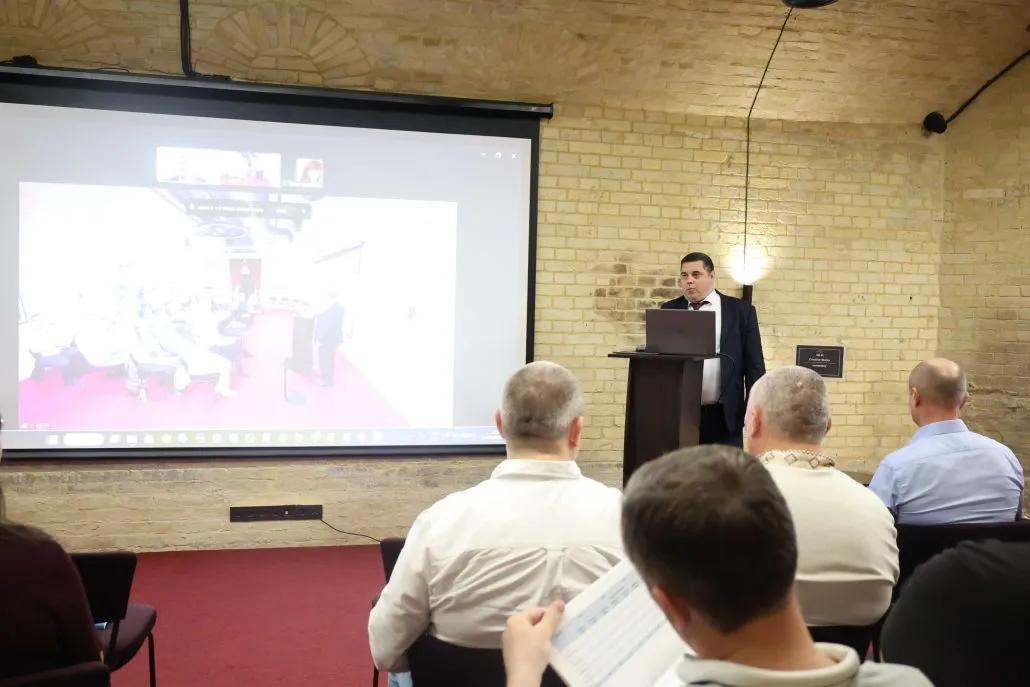
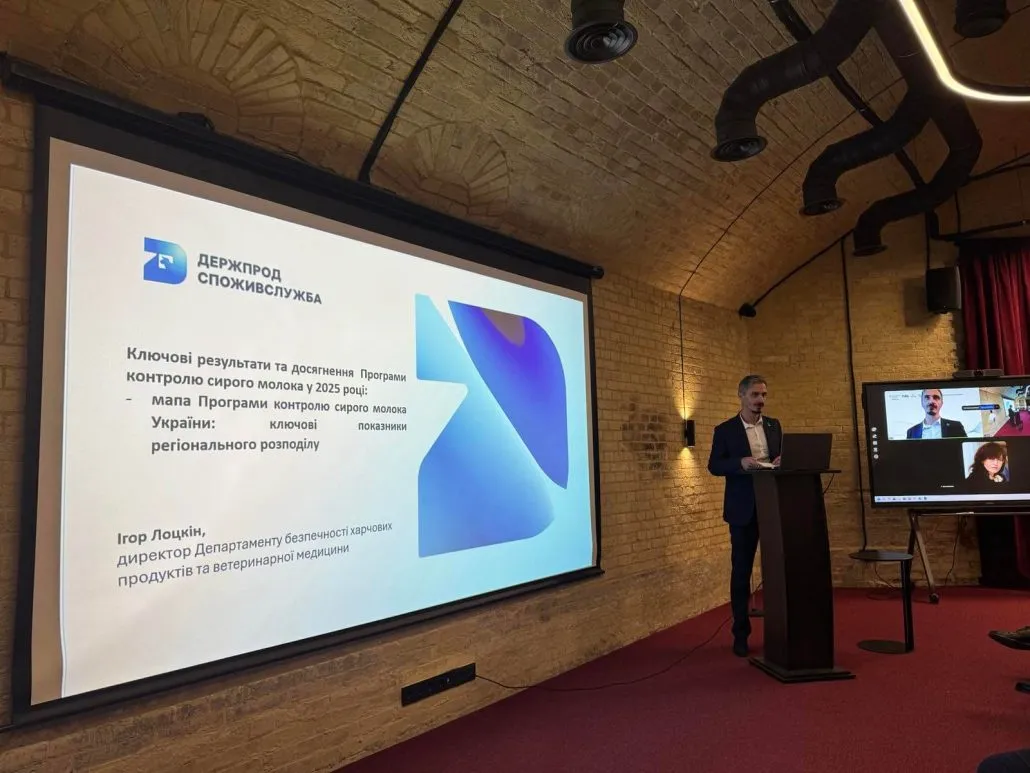
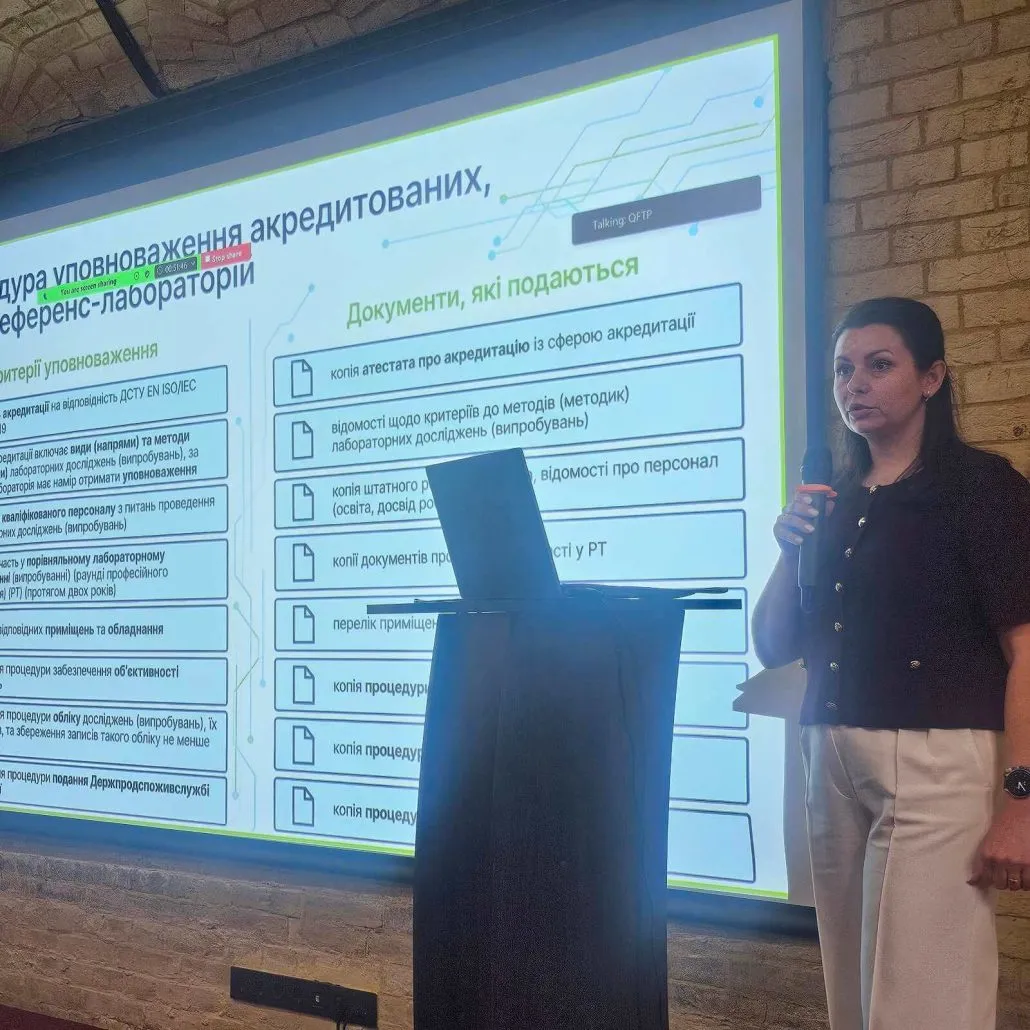
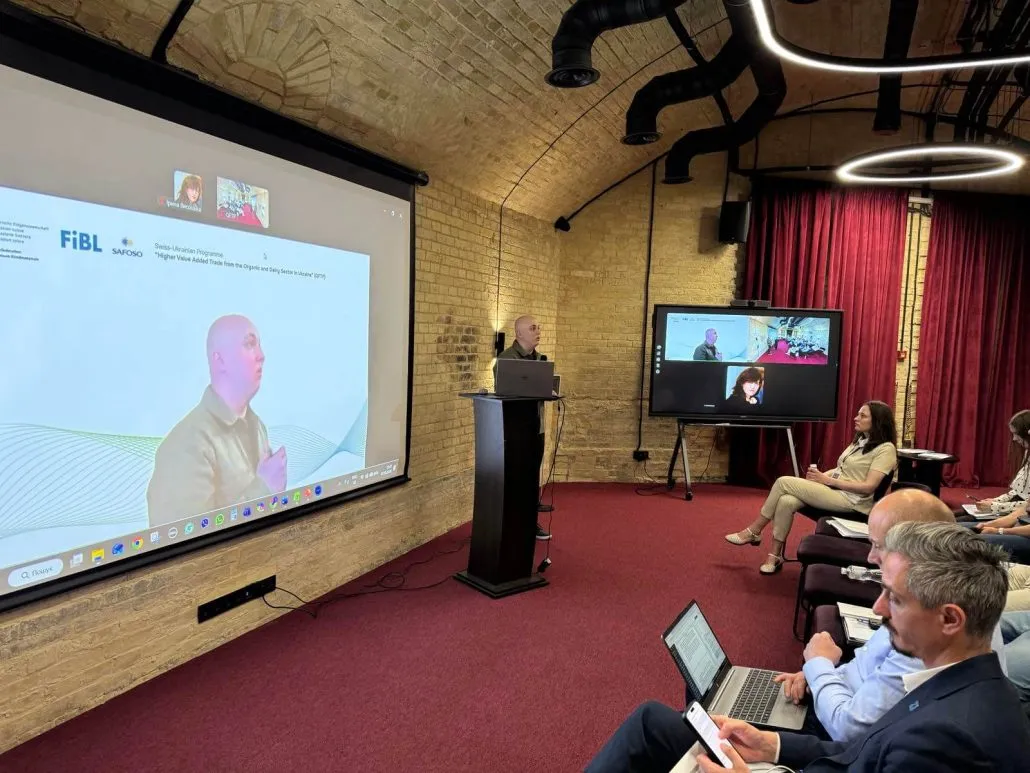
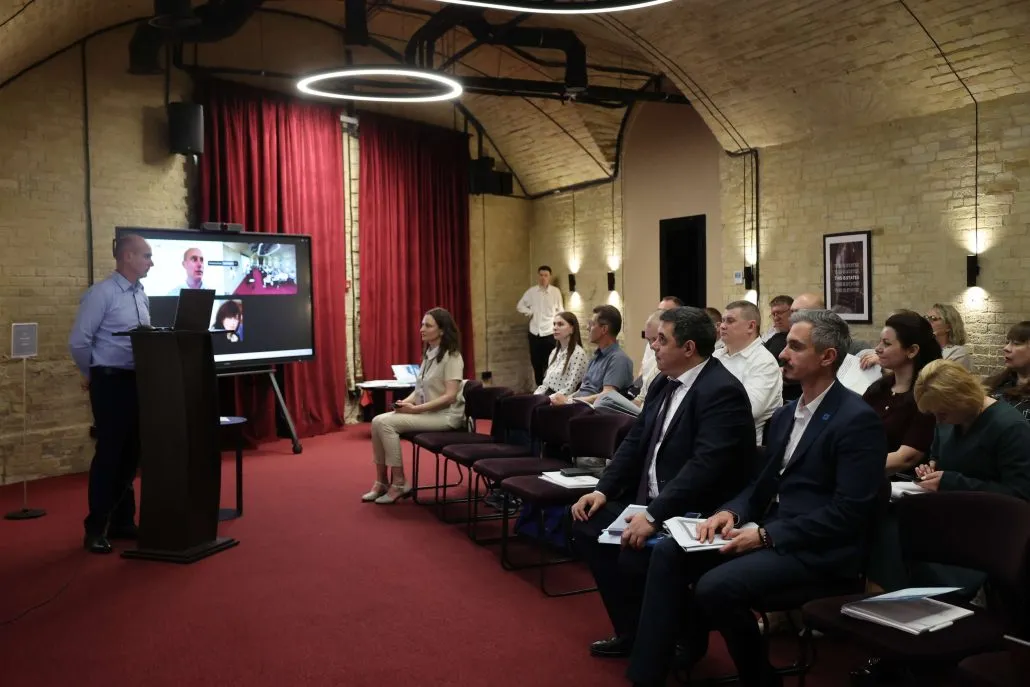
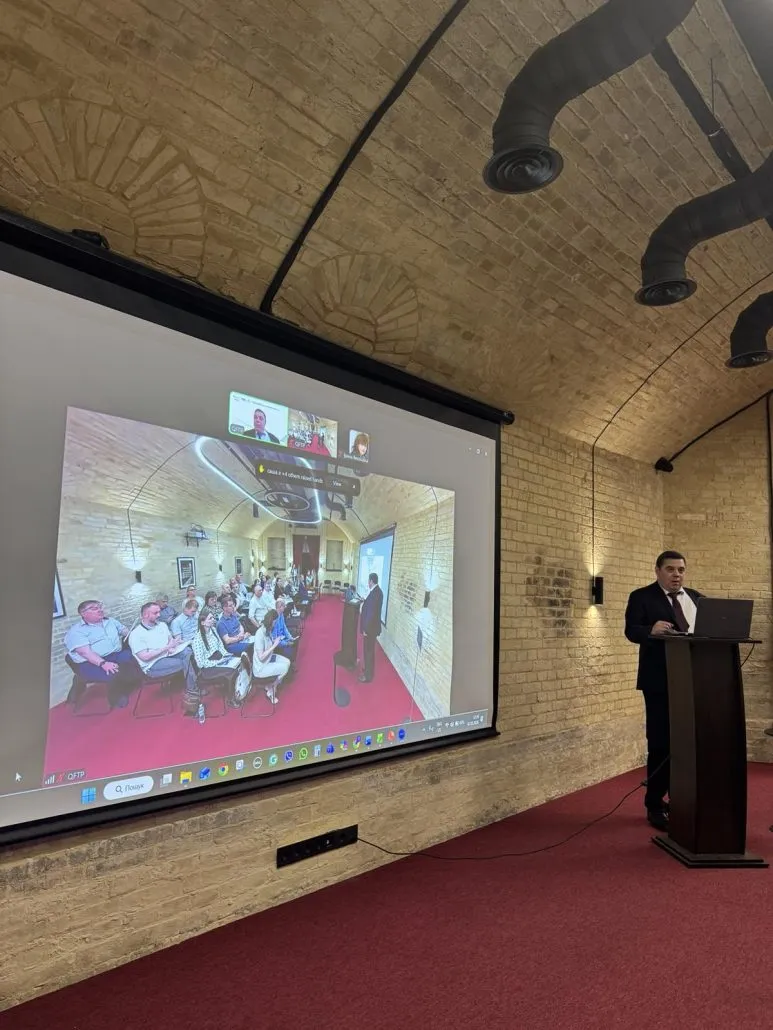
Key results, best practices for implementation, challenges and limitations in 2025 were discussed during an extended meeting of the Working Group on the implementation of the Roadmap for the RMCP based on the Dairy Module.
The event was attended by 379 specialists from the State Service of Ukraine on Food Safety and Consumer Protection (SSUFSCP) (sample collection delegates, testing laboratory specialists, state inspectors), food business operators from all regions of Ukraine, representatives of business associations, service providers and experts from the Swiss-Ukrainian Programme “Higher Value Added Trade from the Organic and Dairy Sector in Ukraine” (QFTP).
“The Raw Milk Control Programme has evolved from a pilot project into a fully-fledged national system covering most regions of Ukraine. The number of food business operators working in accordance with the established requirements is growing, the network of authorised laboratories is expanding, and the number of sampling delegates and state veterinary inspectors involved is increasing, and digital tools, in particular the Dairy Module, ensure transparency, traceability and the rapid exchange of data,” said Volodymyr Kusturov, Deputy Head of the SSUFSCP.
The Programme, launched in 2019 as a pilot project, aims to harmonise the control of raw milk in Ukraine with EU requirements and ensure traceability regarding the quality and safety of dairy products.
According to Volodymyr Kusturov, ongoing support for the implementation of the RMCP is provided by the Swiss-Ukrainian Programme “Higher Value Added Trade from the Organic and Dairy Sector in Ukraine” (QFTP), implemented by the Research Institute of Organic Agriculture (FiBL, Switzerland) in partnership with SAFOSO AG (Switzerland).
“I would like to express my sincere gratitude to the Swiss-Ukrainian QFTP Programme for its ongoing support, expert guidance and significant contribution to the implementation of the Raw Milk Control Programme. Thanks to this cooperation, we have been able to ensure systematic development, the introduction of modern approaches and alignment with European standards,” he noted.
Despite the war, the RMCP continues to expand in Ukraine: since the start of the full-scale invasion, the number of registered establishments in the Dairy Module has doubled, and has increased by 1,2 times in the last year alone. This demonstrates growing confidence in the system and increasing commitment among operators.
Currently, on average across Ukraine, the RMCP covers 74,4% of the cattle herd, including 75,1% of cows kept on farms registered in the Dairy Module.
One of the key challenges remains the engagement of small-scale producers with up to 50 cows, particularly due to the cost of testing and insufficient awareness of legal requirements, as well as the introduction of a moratorium on inspections of business entities.
In 2025, the RMCP continued to expand its geographical coverage: in the Kharkiv region, sampling resumed following a hiatus caused by the war. At the same time, in the Donetsk, Luhansk and Kherson regions, sampling is currently not being carried out due to the security situation.
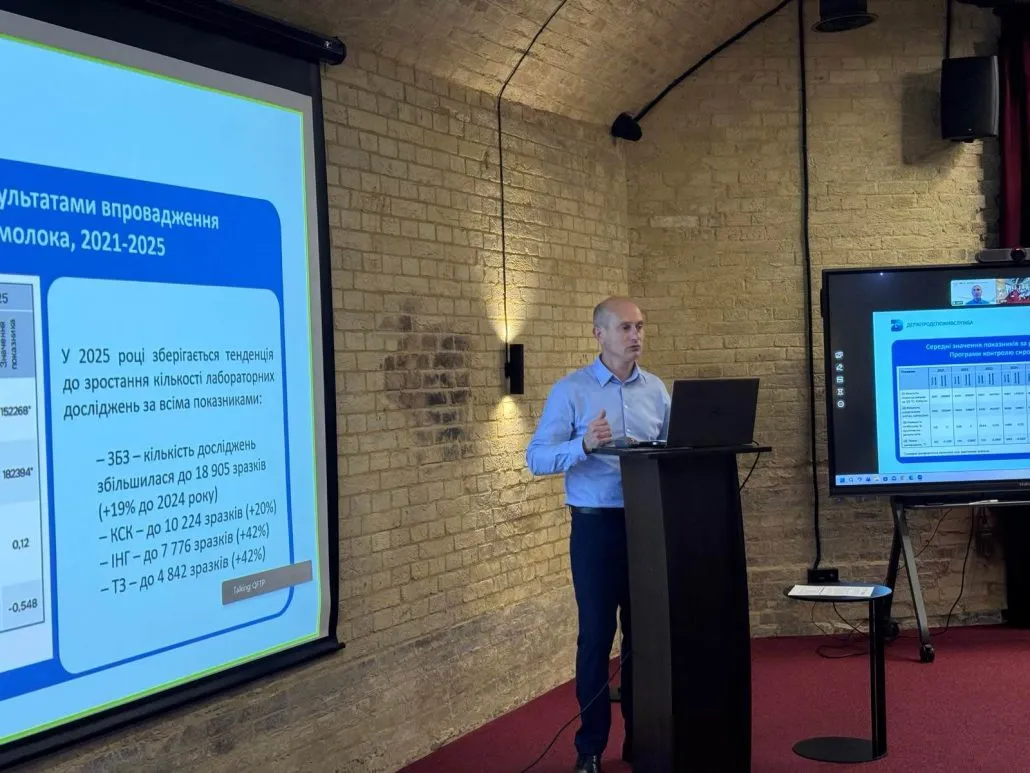
In 2025, a steady upward trend was recorded in the number of laboratory tests across all indicators regulated by legislation, indicating an expansion of coverage and strengthened control within the RMCP.
The tests were carried out by 45 authorised laboratories in 21 regions of Ukraine.
The number of tests increased compared to the previous year:
- for total bacterial count (TBC) – by 19%, to 18,905 samples,
- for somatic cell count (SCC) – by 20%, to 10,224,
- for inhibitors – by 42%, to 7,776,
- for freezing point – by 42%, to 4,842.
Quality indicators generally show a positive trend: average SCC values remain significantly below permissible levels, with SCC in 2025 reaching its best value for the observation period. The proportion of non-compliances is low: 1.5% for TBC, 1.12% for SCC, and 0.12% for inhibitors.
Overall, these data indicate significant progress, but further improvement is needed to achieve full harmonisation with EU standards.
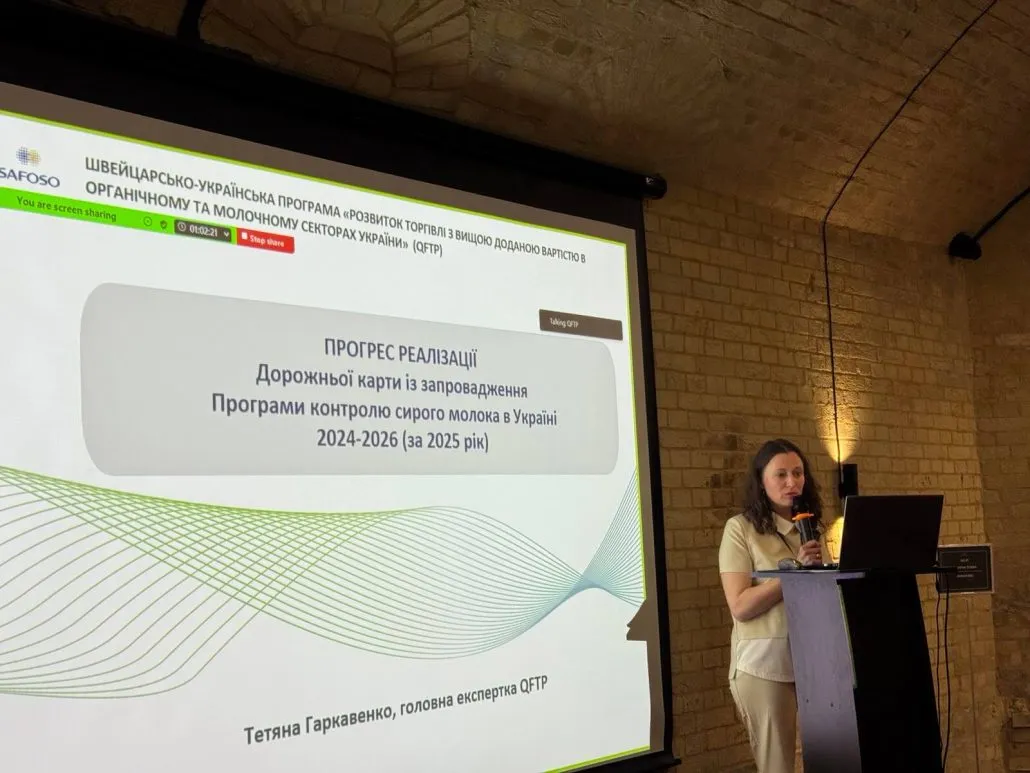
During the event, Tetiana Garkavenko, Senior Advisor for the QFTP Dairy Sector Component, presented the results of the implementation of the Roadmap for the implementation of RMCP in Ukraine 2024–2026 for the reporting period.
Iryna Vysotska, Deputy Local Manager, Dairy Sector Component Coordinator of the Swiss-Ukrainian QFTP Programme, noted: “Switzerland systematically supports the implementation of the RMCP in Ukraine, in particular the development of laboratory capacity, the improvement of the regulatory framework and the modernisation of the Dairy Module software. We are not just seeing statistics or specific technical results within annual reporting – we see systemic changes that are bringing Ukraine’s dairy sector closer to European Union standards and strengthening trust in Ukrainian dairy products. Despite the challenging circumstances, the Raw Milk Control Programme continues to expand, which demonstrates the responsibility of market participants and a shared understanding of the importance of transparent milk quality control”.
Report on the results of the RMCP’s implementation in 2025 is aviliable via the link (in Ukrainian only).
Find out more about the RMCP in Ukraine here (in Ukrainian only).