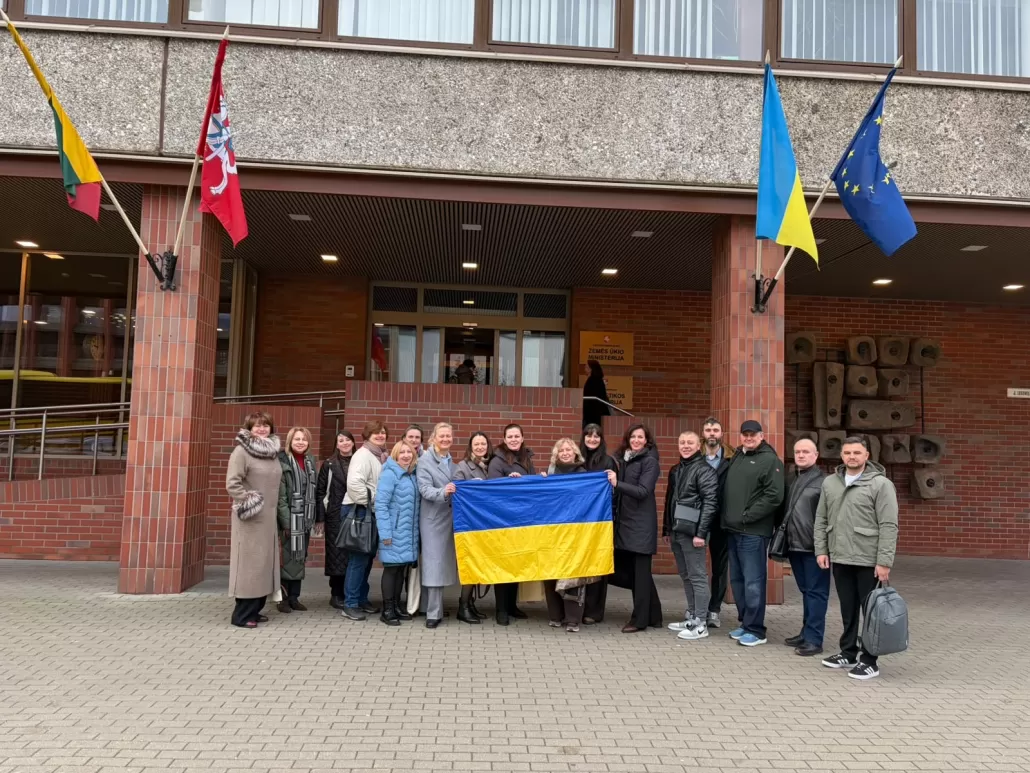
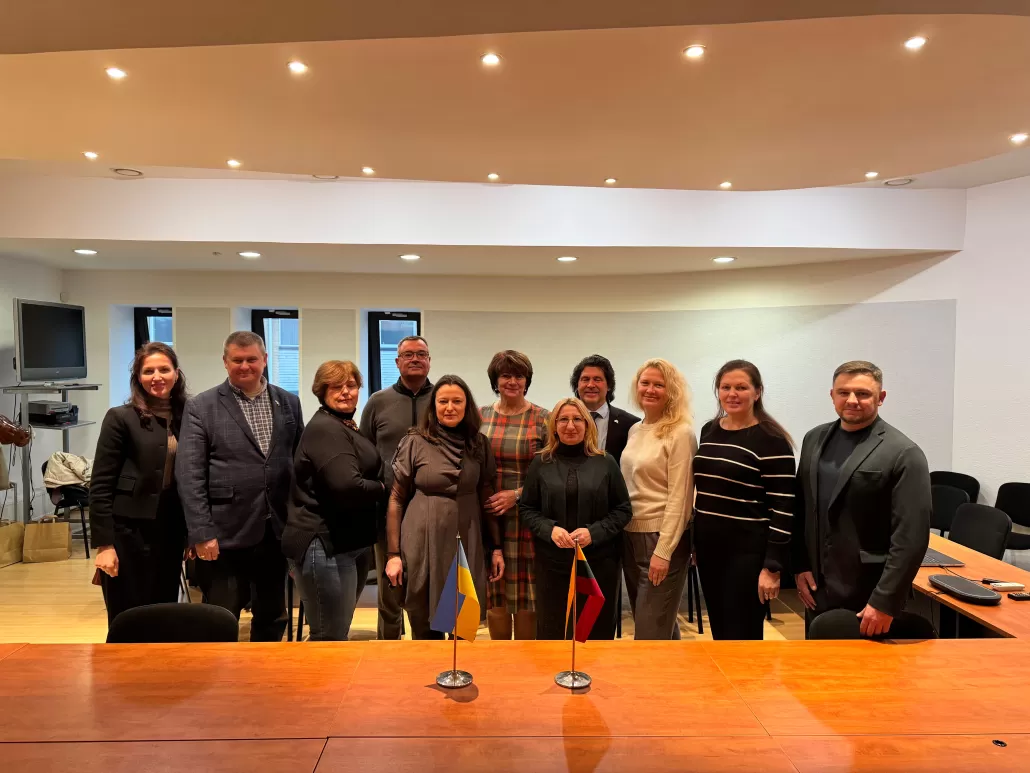
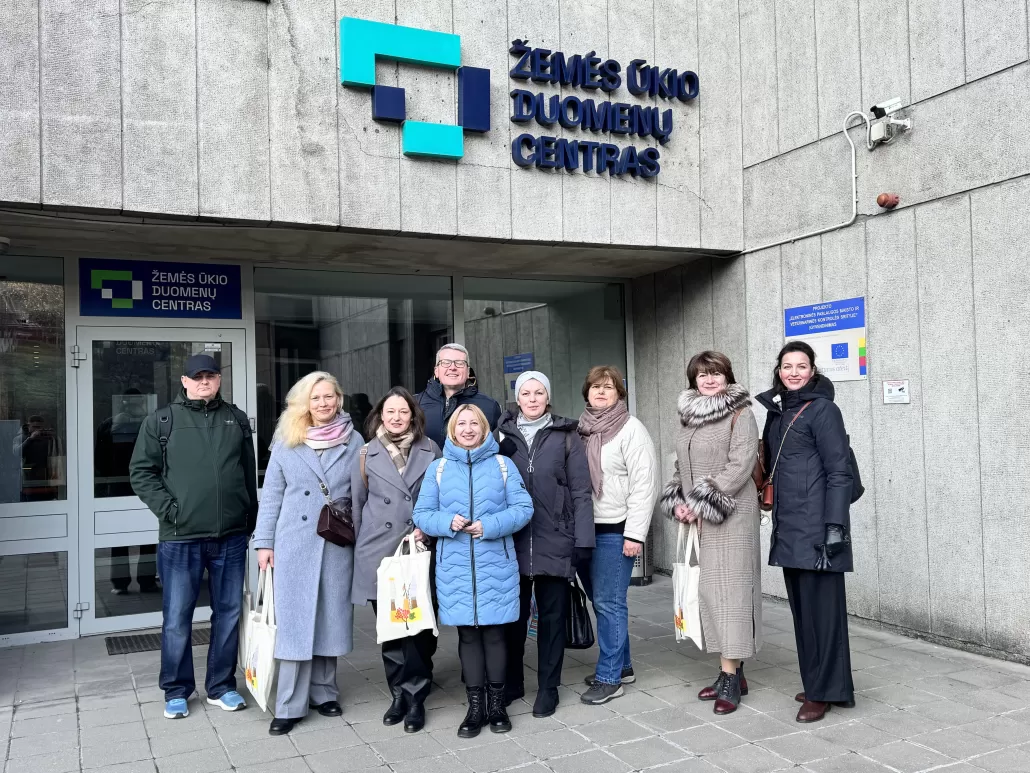
A Ukrainian delegation explored Lithuania’s practices in raw milk control, carcass classification, and animal welfare during transport and slaughter. The study visit took place on 9–11 November 2026 with the support of the European Union’s EU4SaferFood project and Switzerland within the framework of the Quality FOOD Trade Programme (QFTP).
The programme combined meetings with representatives of the Ministry of Agriculture of the Republic of Lithuania, the State Food and Veterinary Service of Lithuania (VMVT), relevant public institutions and industry associations, as well as practical visits to a meat processing establishment, a dairy farm and a milk testing laboratory.
The Ukrainian delegation included representatives of the Ministry of Agrarian Policy and Food of Ukraine, the State Service of Ukraine on Food Safety and Consumer Protection, the State Scientific-Research Control Institute of Veterinary Medicinal Products and Feed Additives, the Union of Dairy Enterprises of Ukraine, and the Association of Milk Producers of Ukraine.
Regulatory Framework and Institutional Arrangements
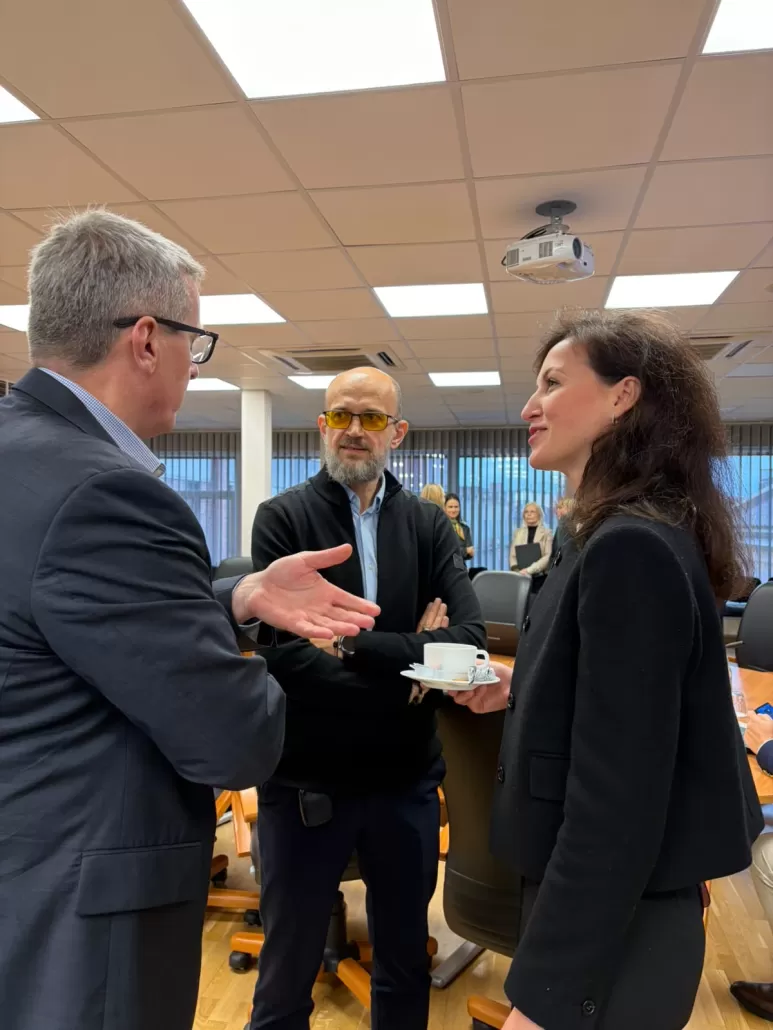
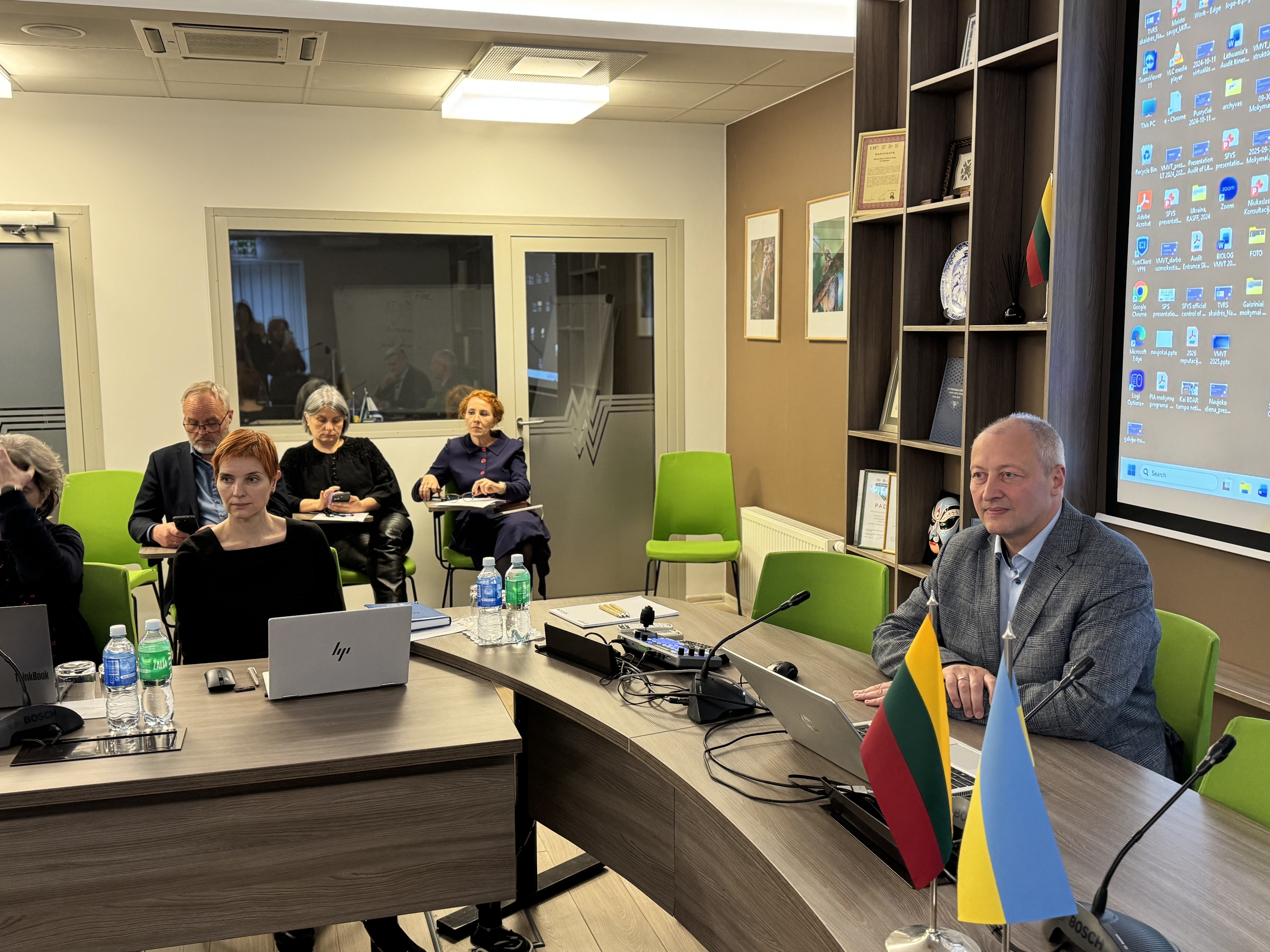
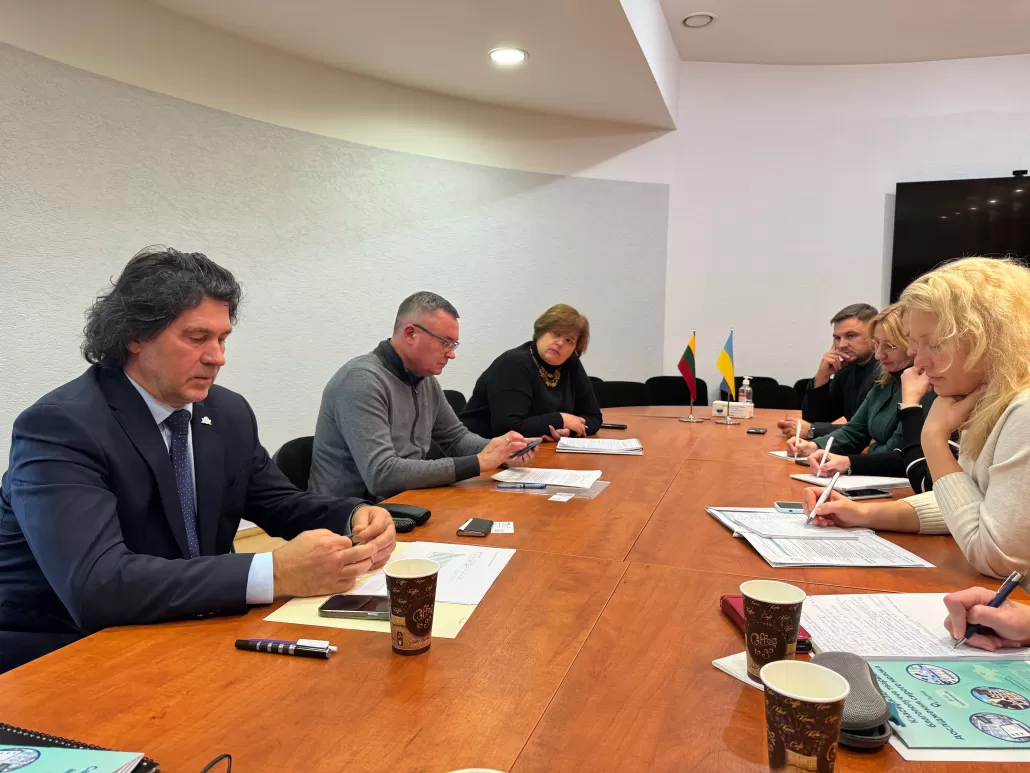
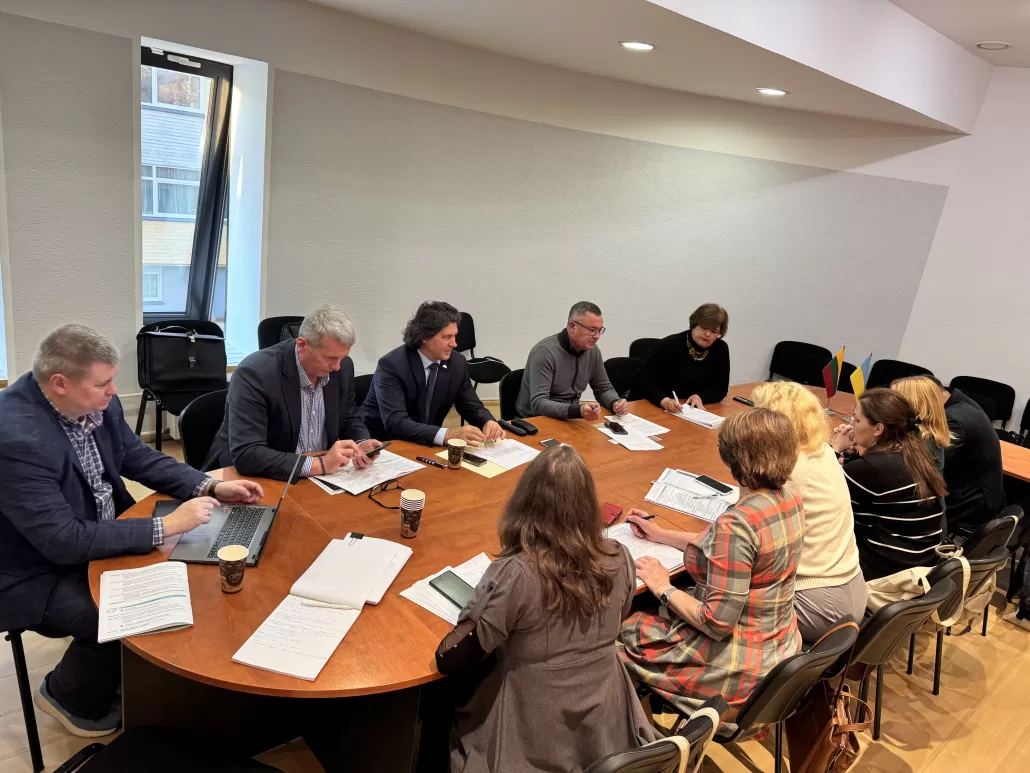
The programme began with a meeting at the Ministry of Agriculture of the Republic of Lithuania, attended by Vice-Minister Rolandas Taraškevičius. Participants discussed the Ministry’s role in policymaking and implementing EU requirements in dairy production, carcass classification and animal welfare, as well as the distribution of responsibilities among competent authorities and relevant institutions.
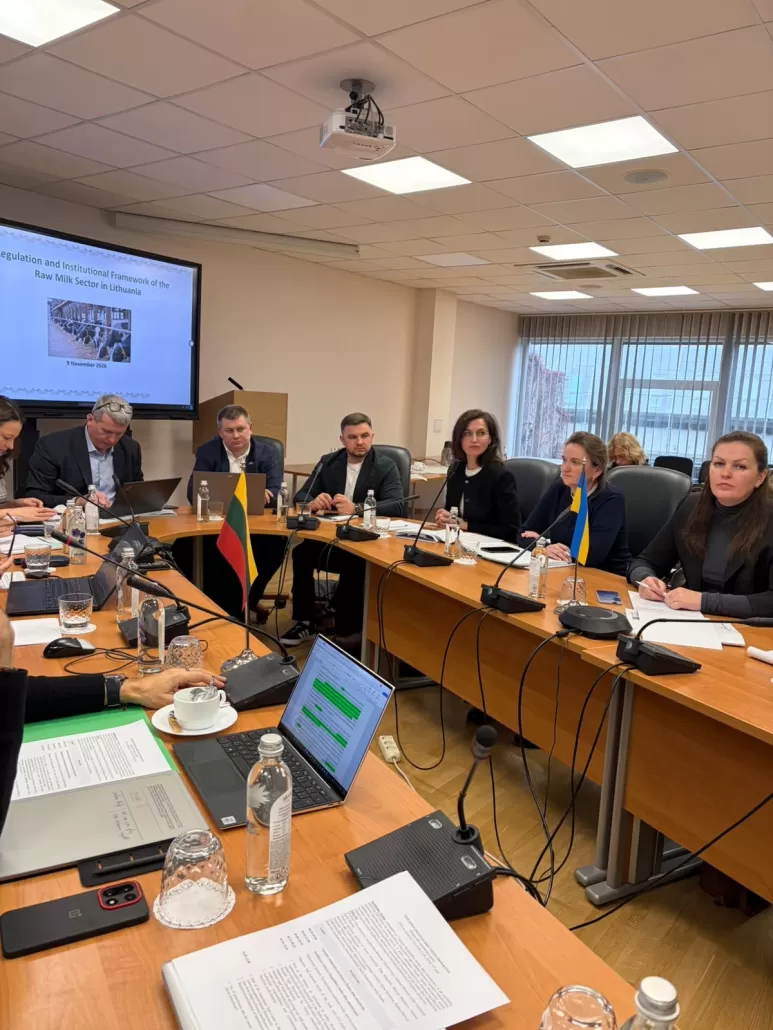
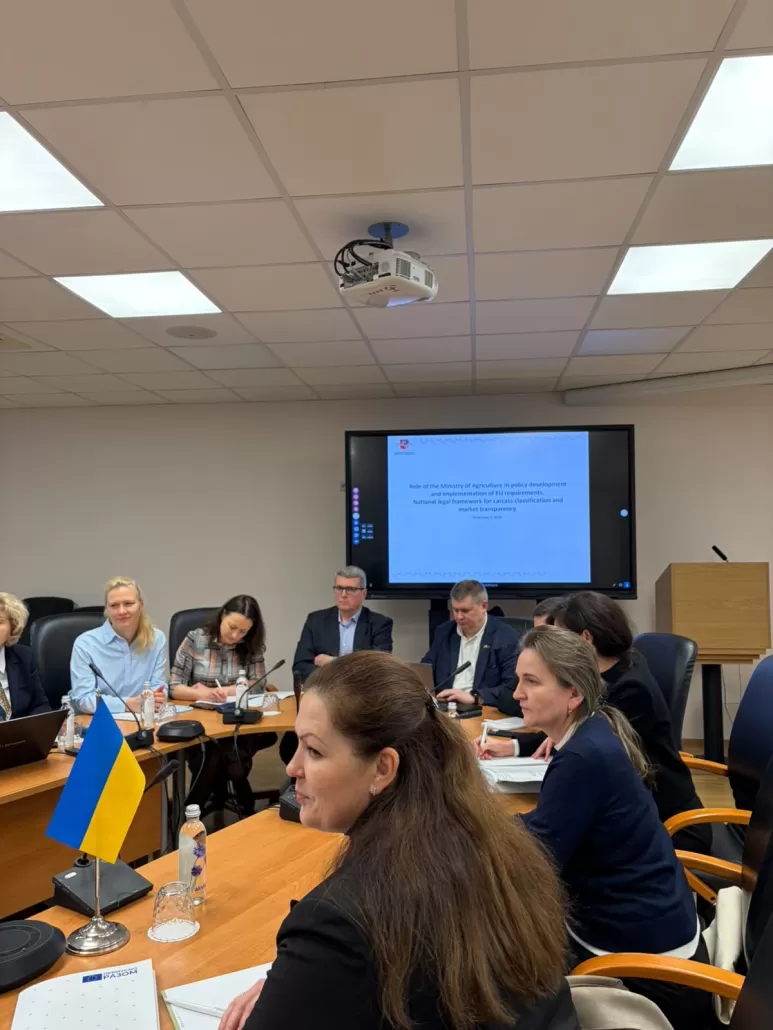
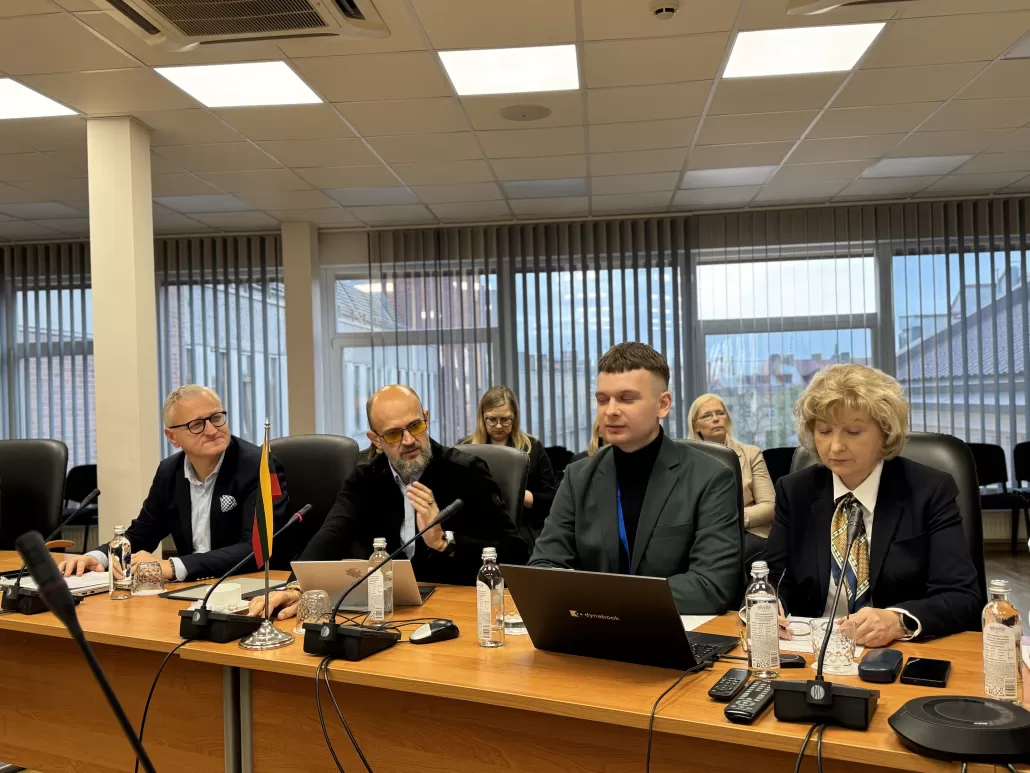
Particular attention was paid to the regulatory framework governing raw milk purchasing. One of the key documents in this area is the Milk Purchasing Rules, approved by an order of the Lithuanian Minister of Agriculture. Developed in accordance with the provisions of EU Regulations No 1308/2013 and No 853/2004, these rules establish a comprehensive framework for milk purchasing, assessment of milk composition and quality, and payments to producers.
The rules define requirements for milk producers and purchasers, including mandatory written contracts, procedures for sample collection, identification, storage and transportation, the frequency of laboratory testing, and the use of test results in determining purchase prices. Milk composition parameters are taken into account when calculating payments, while non-compliance with established quality requirements may result in a reduction in the purchase price or suspension of milk collection.
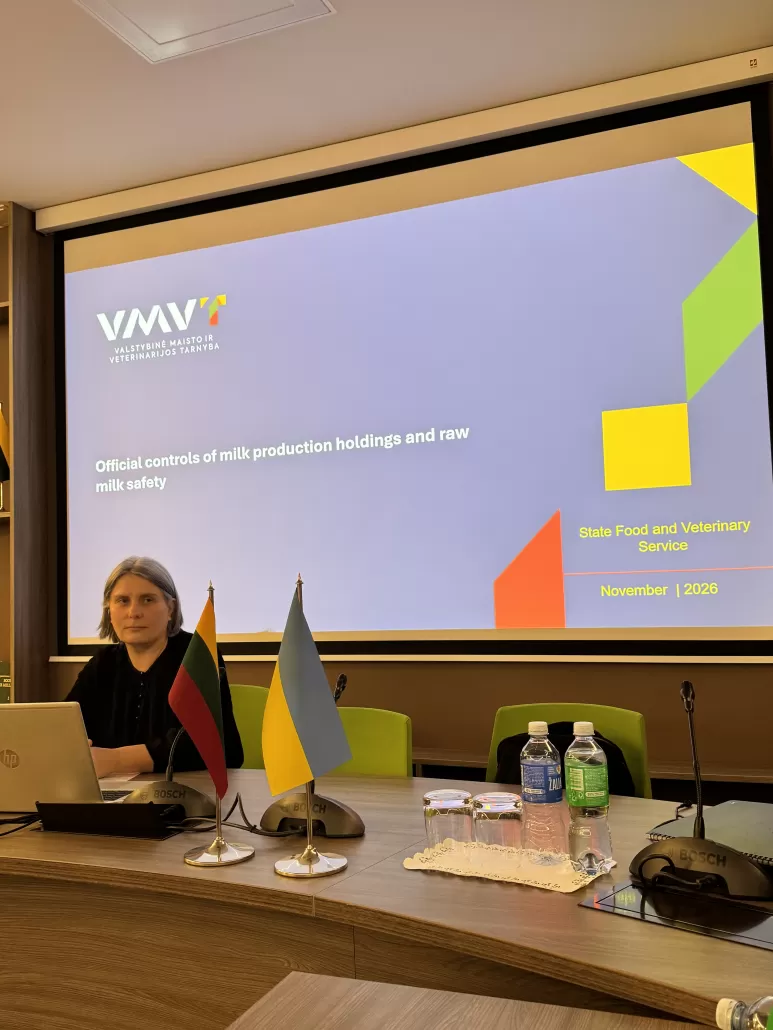
The responsibilities of the relevant institutions are also clearly defined. The Agricultural Data Centre under the Ministry administers the Milk Accounting Information System (PAIS), while VMVT is responsible for official supervision of compliance with the rules. The regulatory framework therefore covers not only the safety and quality of raw milk but also transparency in purchasing relationships and accountability among business operators.
Raw Milk Control: An Integrated System from Producer to Purchaser
Lithuania operates a centralised control system for raw cow’s milk purchased from producers for further processing.
The central laboratory Pieno Tyrimai provides independent milk sample testing, while the Agricultural Data Centre maintains records of milk producers, registered purchasers and purchased milk volumes.
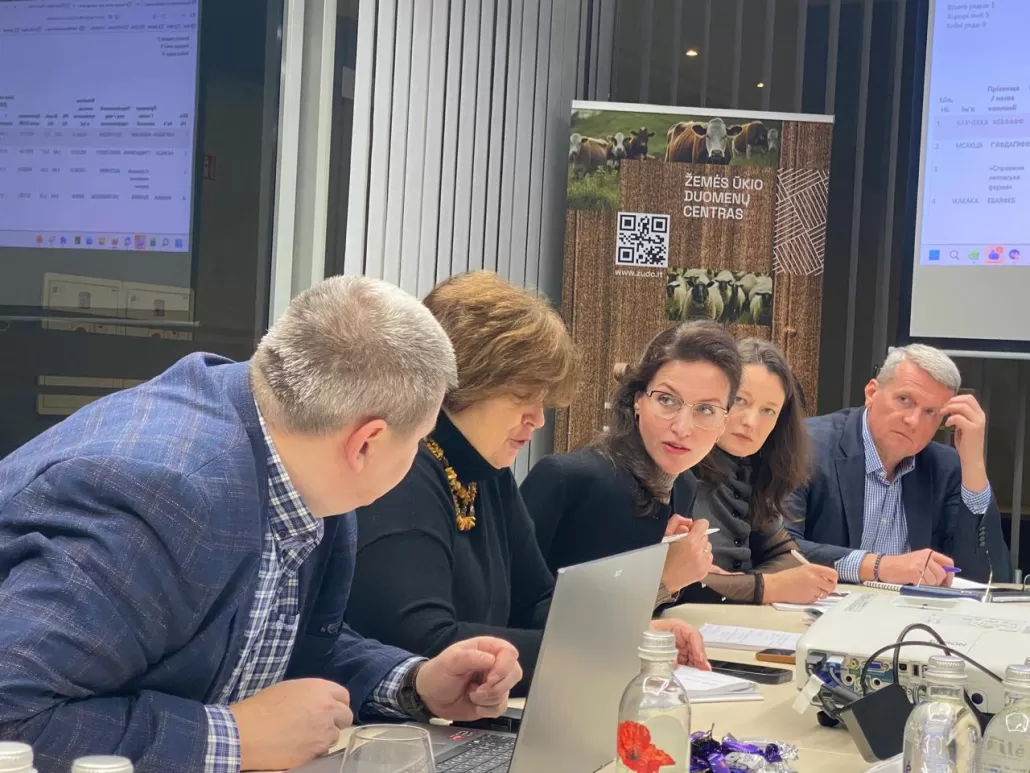
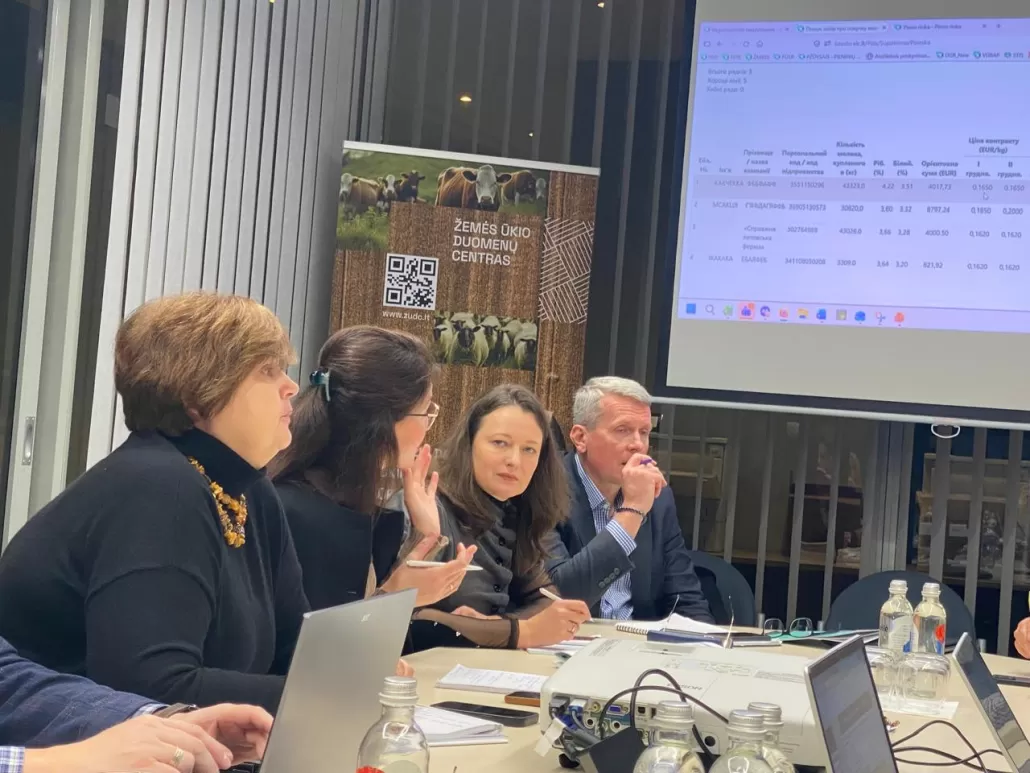
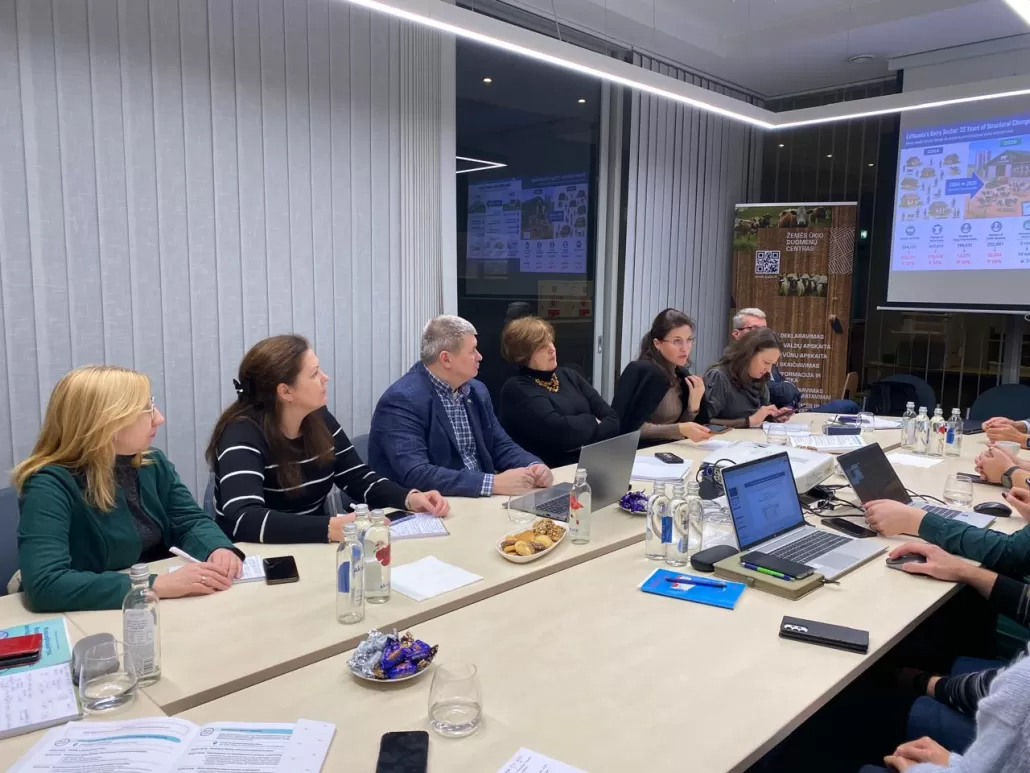
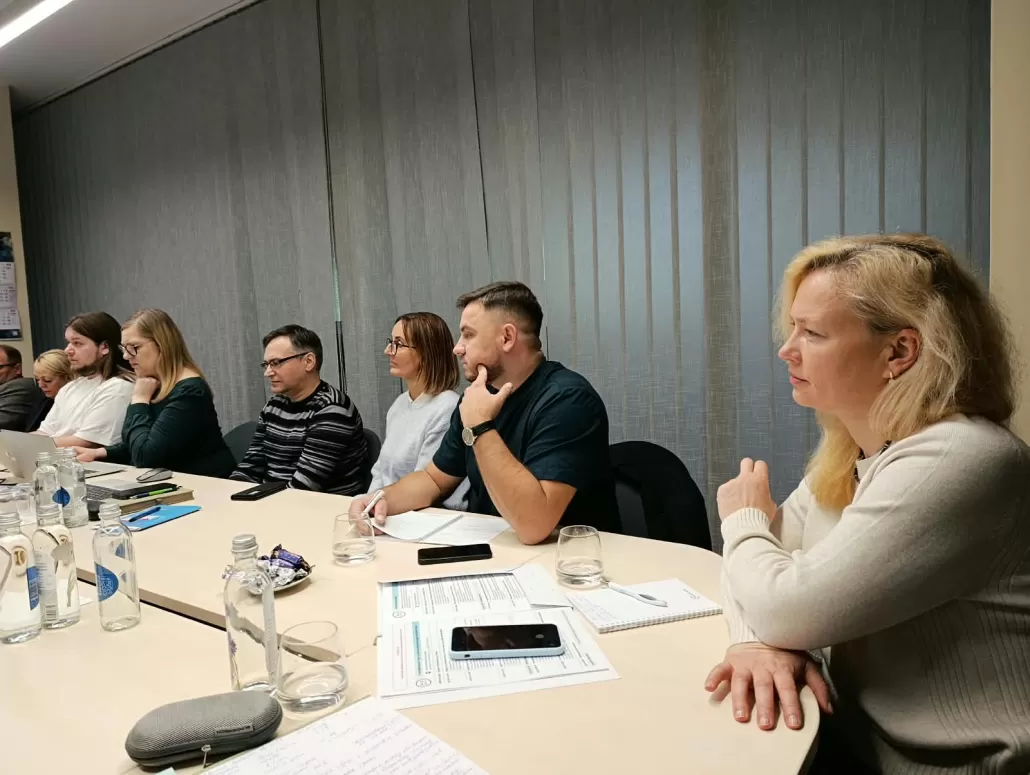
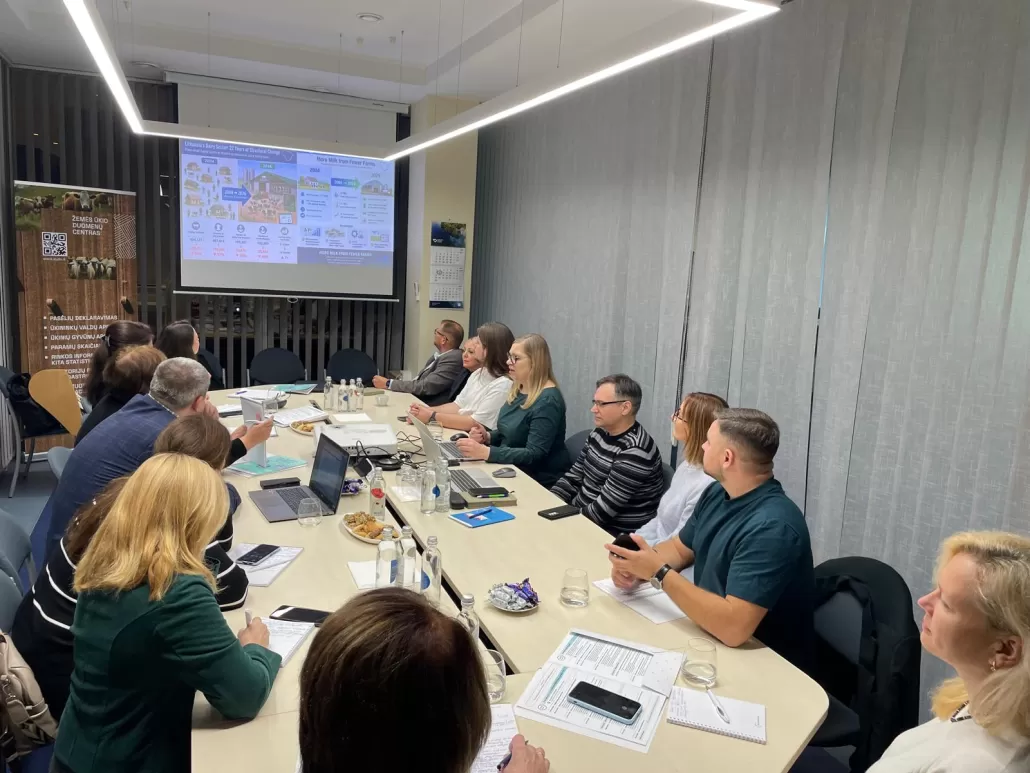
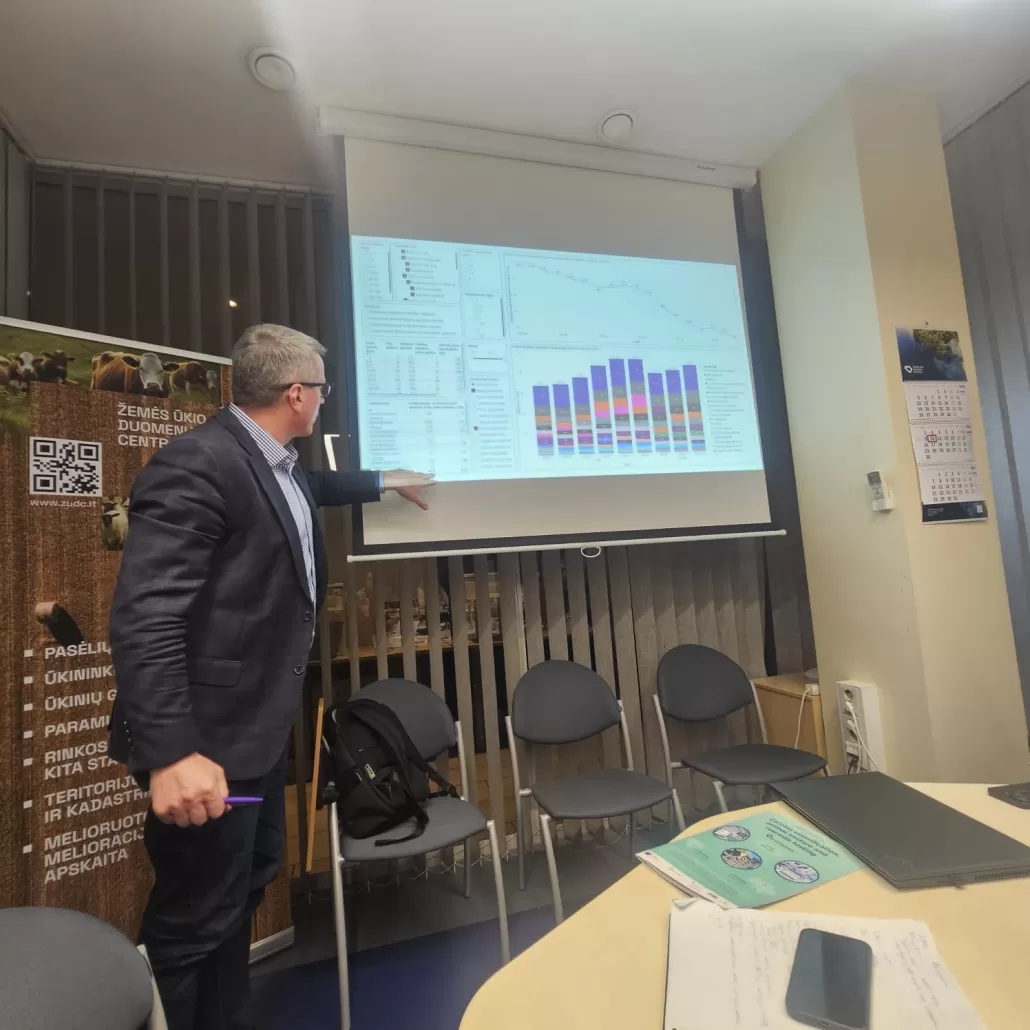
During a meeting with representatives of the Centre, the Ukrainian delegation learned about the operation of PAIS, reporting and verification mechanisms, and the collection of data on milk purchase volumes and prices. Purchasers are required to provide information on milk purchasing contracts when submitting reports. Participants also examined mechanisms for publishing statistical data and using them to monitor the dairy market.
This approach promotes market transparency and provides producers, dairy processors and public authorities with information needed for informed decision-making.
During meetings with representatives of the Lithuanian Dairy Association Pieno centras and the Chamber of Agriculture of the Republic of Lithuania, participants discussed the practical implementation of milk purchasing rules, price formation and quality-based price reductions, as well as procedures for resolving disputes related to sampling and laboratory test results.
Pieno Tyrimai Laboratory: Over 2.3 Million Milk Tests Annually
A key practical component of the study visit was a tour of the central milk testing laboratory Pieno Tyrimai in Kaunas.
The laboratory was established in 1993 to conduct milk testing under the Dairy Herd Improvement (DHI) system. Since 1997, it has also performed testing for milk payment determination and safety control. The laboratory is accredited to the international standard ISO/IEC 17025, which is an important element in ensuring the competence and impartiality of laboratory testing.
The laboratory’s specialists are actively involved in international professional cooperation, including as an associate member of the International Dairy Federation (IDF) and the International Committee for Animal Recording (ICAR). This engagement facilitates the exchange of scientific and technical expertise, participation in international expert discussions, and the development and improvement of international standards and methodological approaches to dairy production, milk quality control and laboratory testing.
The scale of Pieno Tyrimai’s operations is reflected in its key figures: 187 employees, seven-day-a-week operations, services provided to approximately 7,500 dairy farmers, and around 2.3 million tests conducted annually.
The laboratory performs a wide range of tests across several areas.
For milk quality control and determining payments to producers, bulk milk samples are analysed for fat, protein, lactose and urea content, somatic cell count, total bacterial count, the presence of inhibitory substances, and freezing point.
Under the DHI programme, individual milk samples from each cow are tested for fat, protein, lactose, urea and somatic cell count. These tests help farmers monitor animal productivity and health, assess feeding performance, and make informed farm management decisions.
Specialised commercial testing represents another area of the laboratory’s activities. These services include the identification of mastitis pathogens and their antibiotic susceptibility, pregnancy testing, analysis of feed nutritional value and the content of minerals, dry matter, fatty acids and lactoferrin, PCR testing, and detection of mycotoxins in feed.
The laboratory infrastructure therefore serves not only milk safety and quality control needs but also provides essential data for dairy farm management and herd improvement.
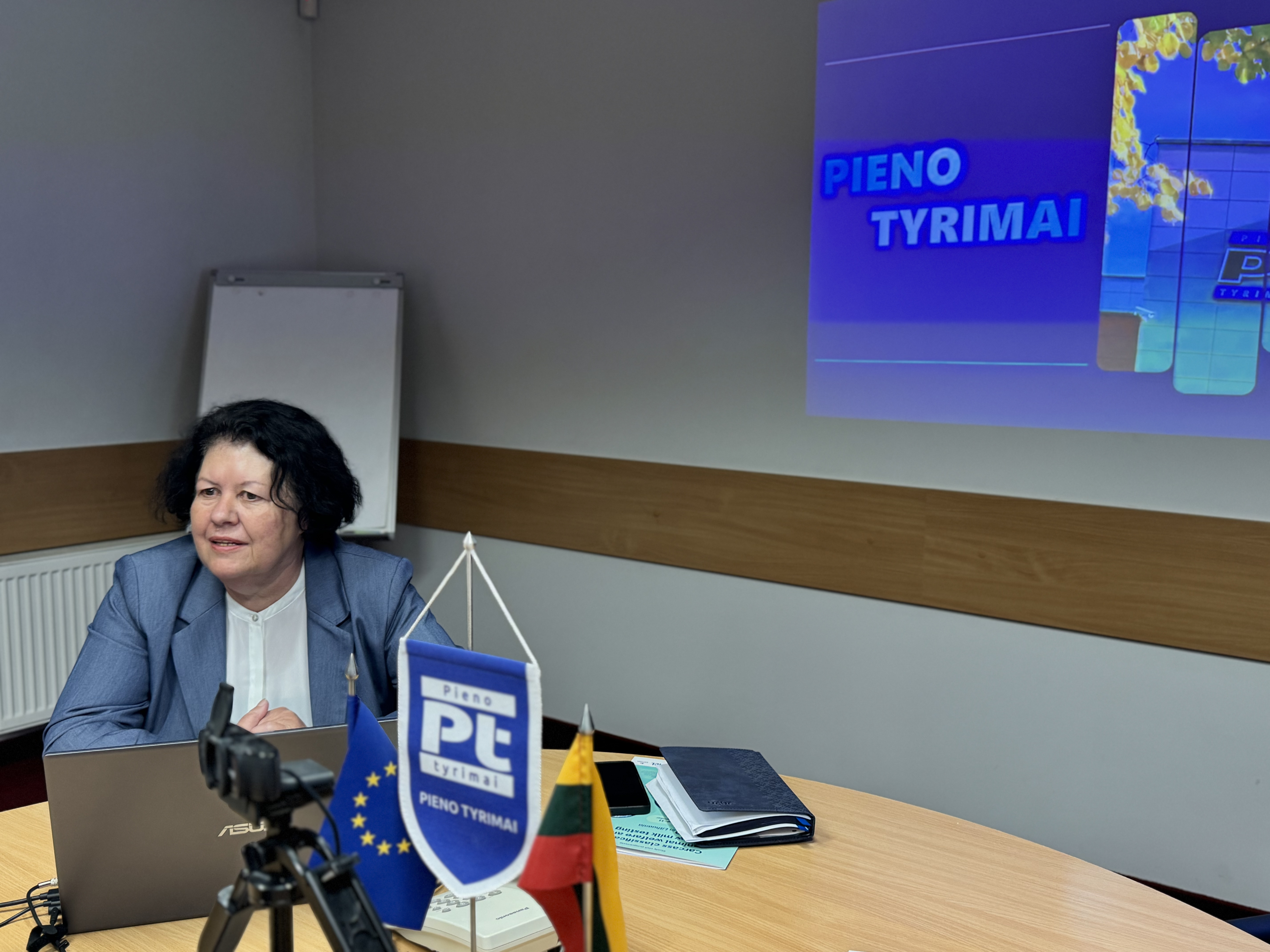
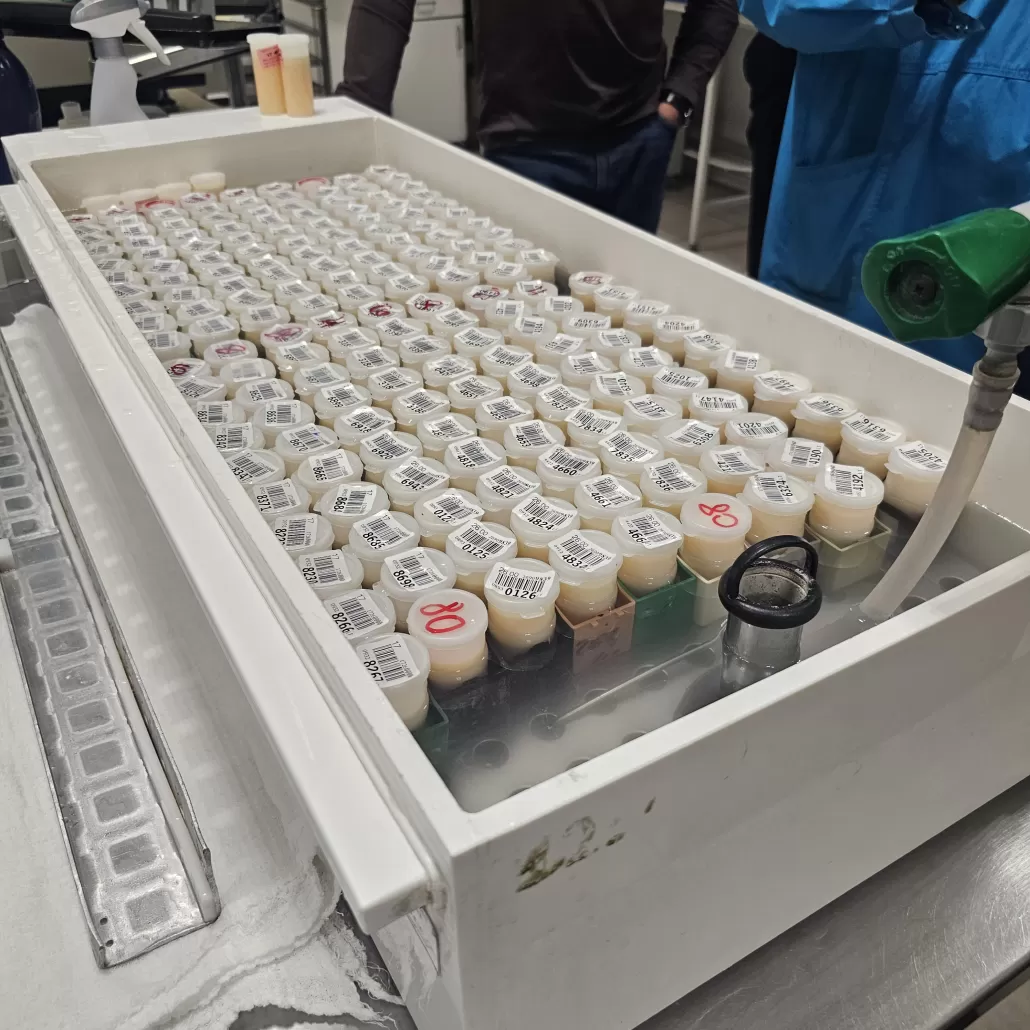
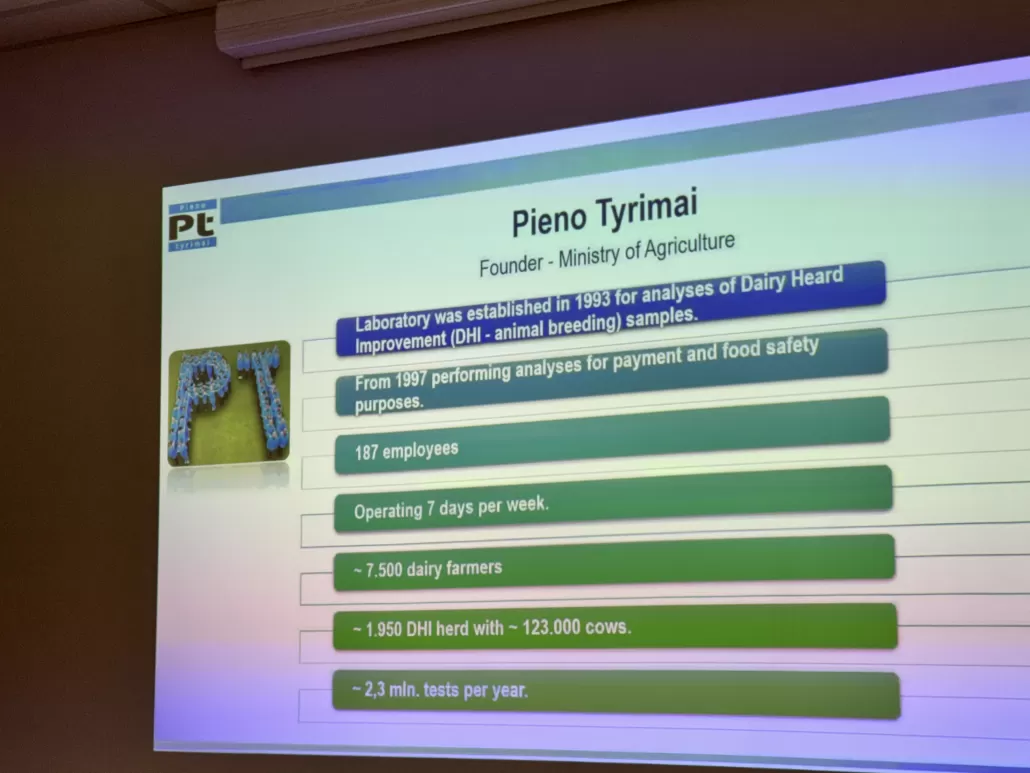
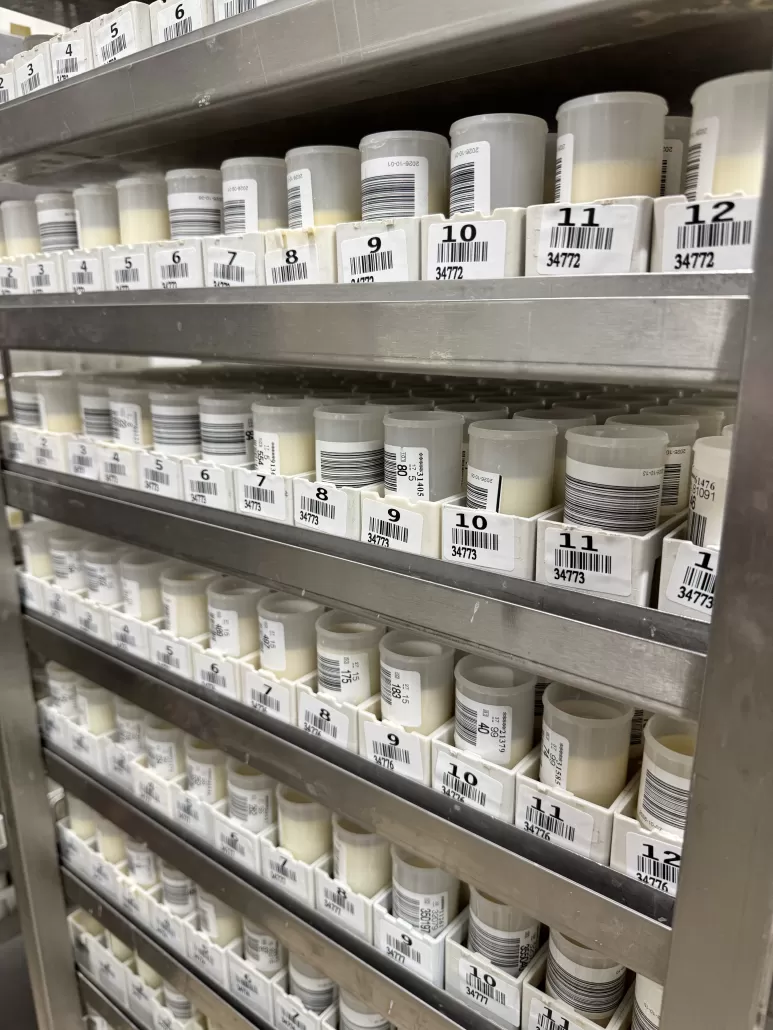
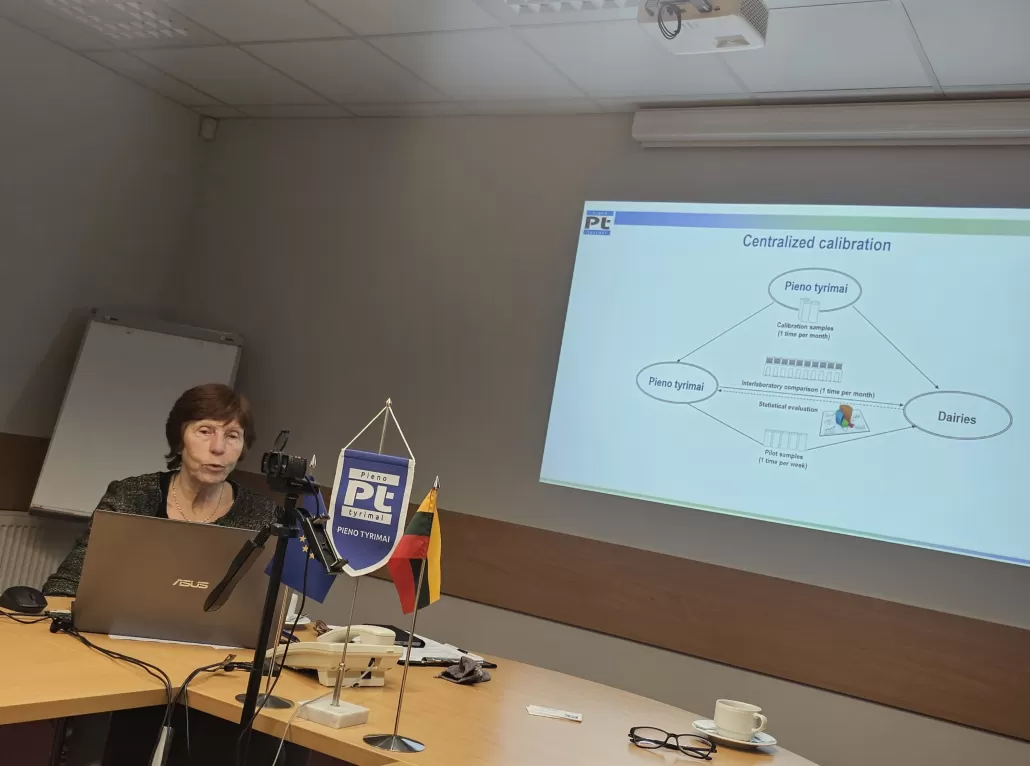
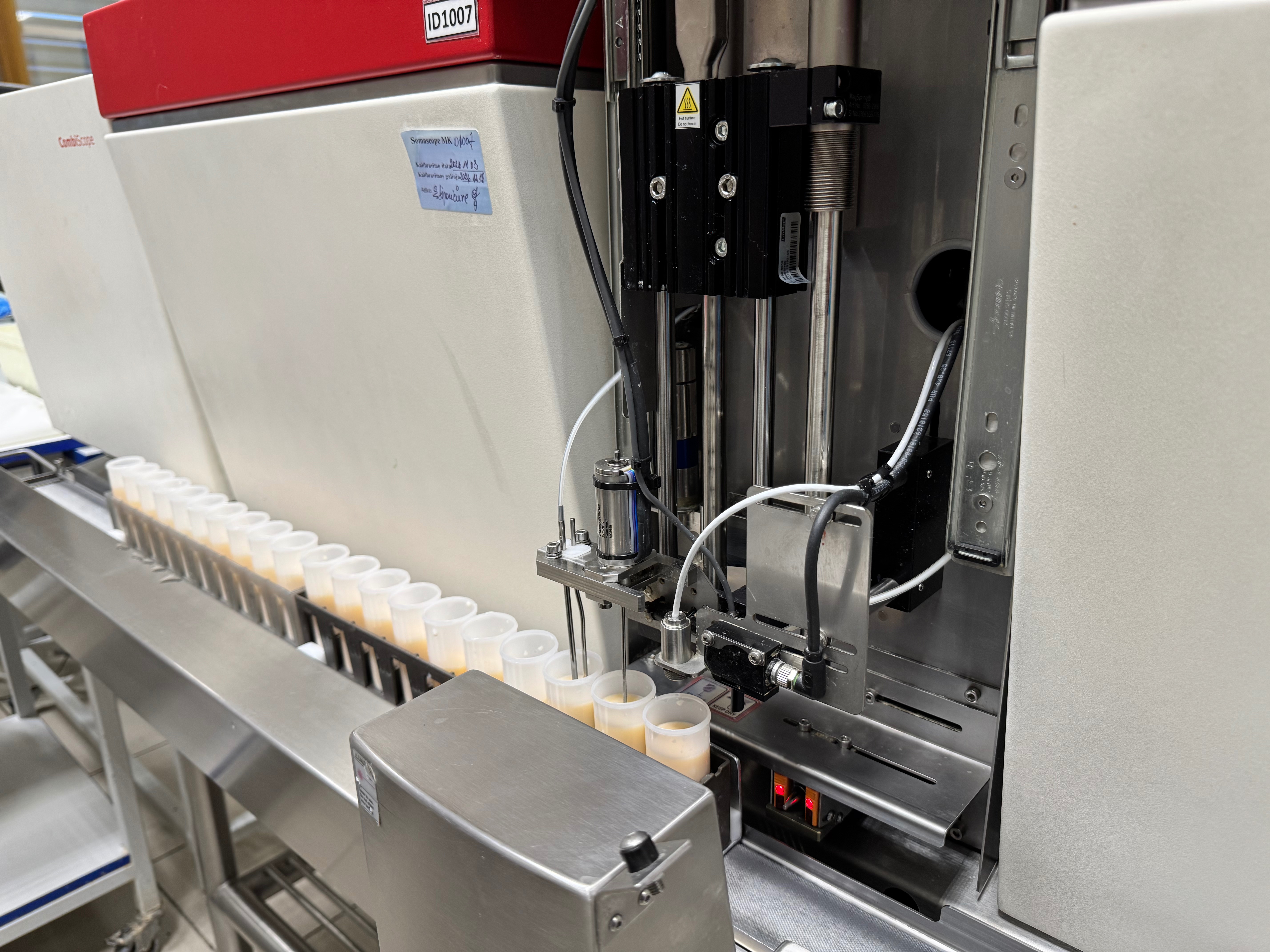
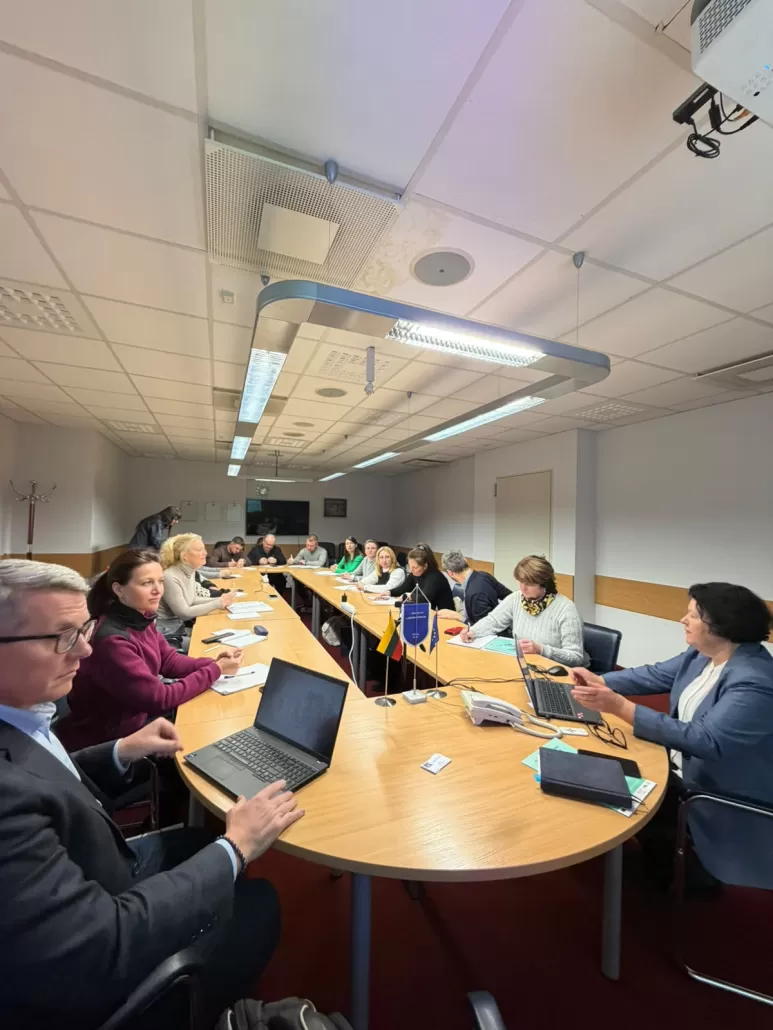
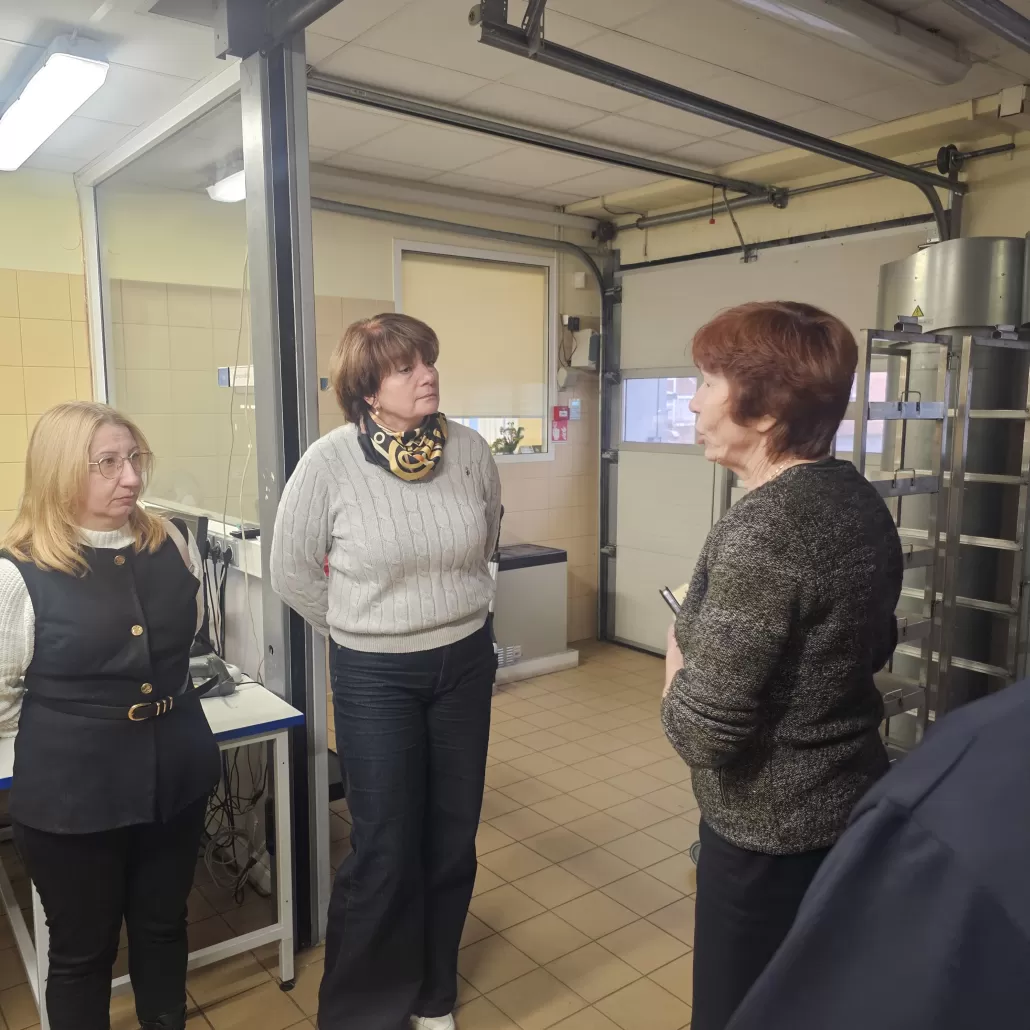
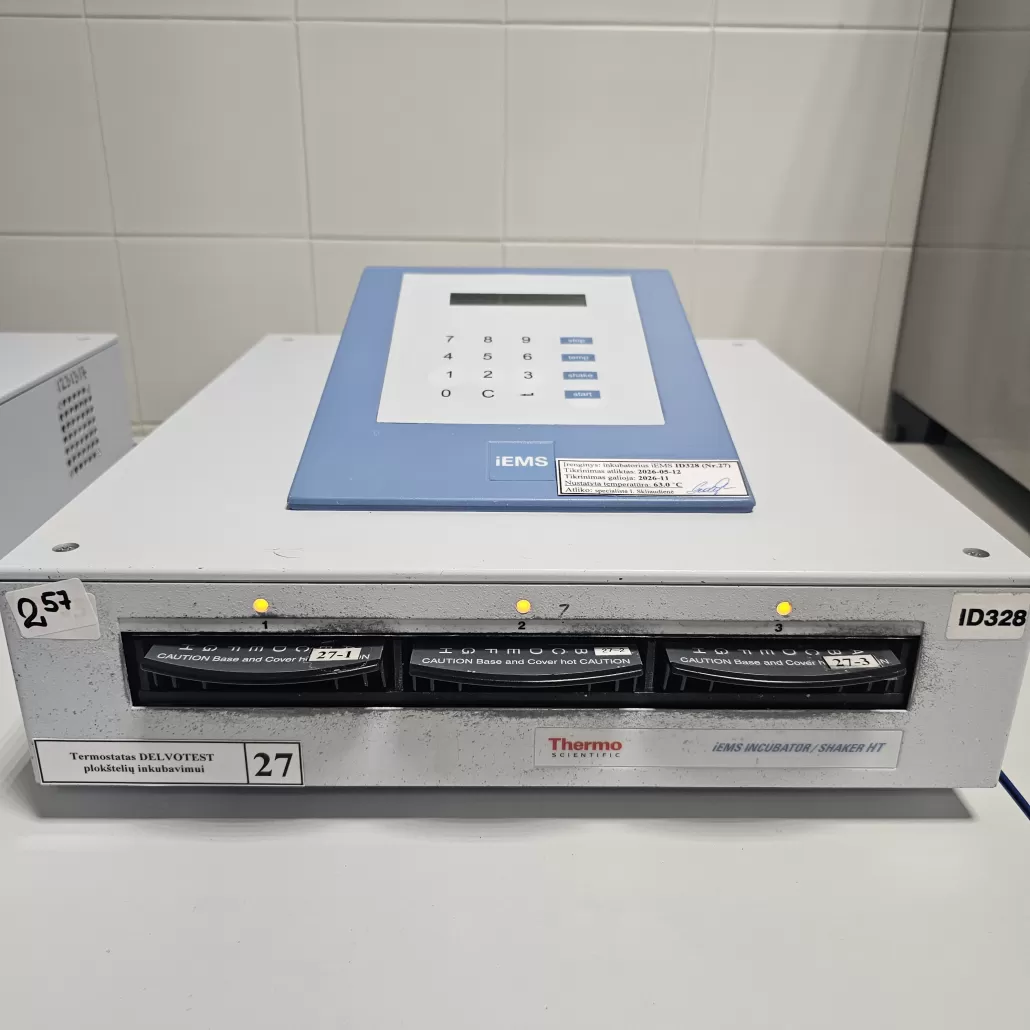
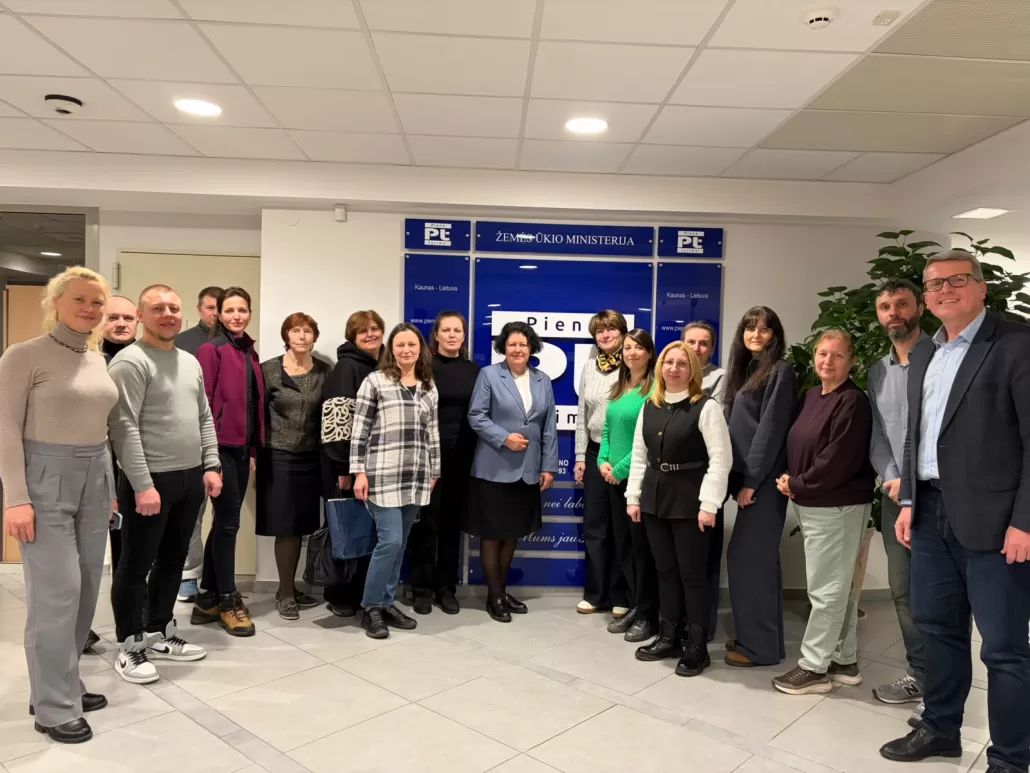
During thei visit, the Ukrainian experts familiarised themselves with the laboratory’s main tasks, as set out in its mandate from the Ministry, regarding the analysis of milk samples to determine its composition and quality, on the basis of which purchasers make payments to producers for the milk sold: organising the collection of samples (labelling, identification, storage and transport, provision of containers and organisation of delivery schedules), receiving and registering samples (verifying their identification and integrity), conducting laboratory analyses of the composition and quality parameters of raw milk in accordance with the specified frequency (mandatory, additional and confirmatory tests), ensuring the reliability of results (application of validated methods, internal quality control, participation in interlaboratory comparisons and maintenance of accreditation in accordance with ISO/IEC 17025), processing and evaluating results, compiling individual and summary reports (including the calculation of mean and geometric mean values of indicators), maintaining electronic databases, ensuring the traceability of samples and test results, as well as the exchange of information with the relevant state information systems, conducting a systematic analysis of laboratory control results, preparing annual reports for the competent authority and the Ministry, and developing proposals for improving the quality control system for raw milk.
For Ukraine, this experience is particularly relevant to the further development of its raw milk testing system, strengthening the institutional capacity of the laboratory network, and establishing a reference laboratory for milk and dairy product testing.
Sampling and Quality Control Begin at the Farm
An important part of the visit was a practical introduction to milk production processes at a dairy farm in Padovinis.
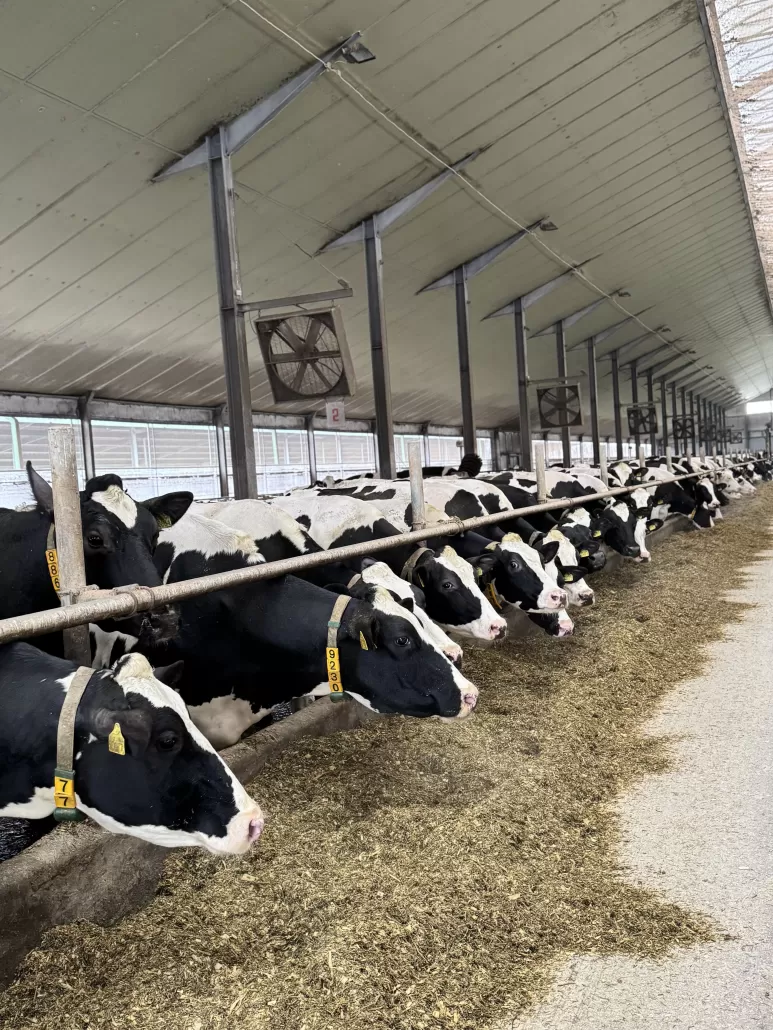
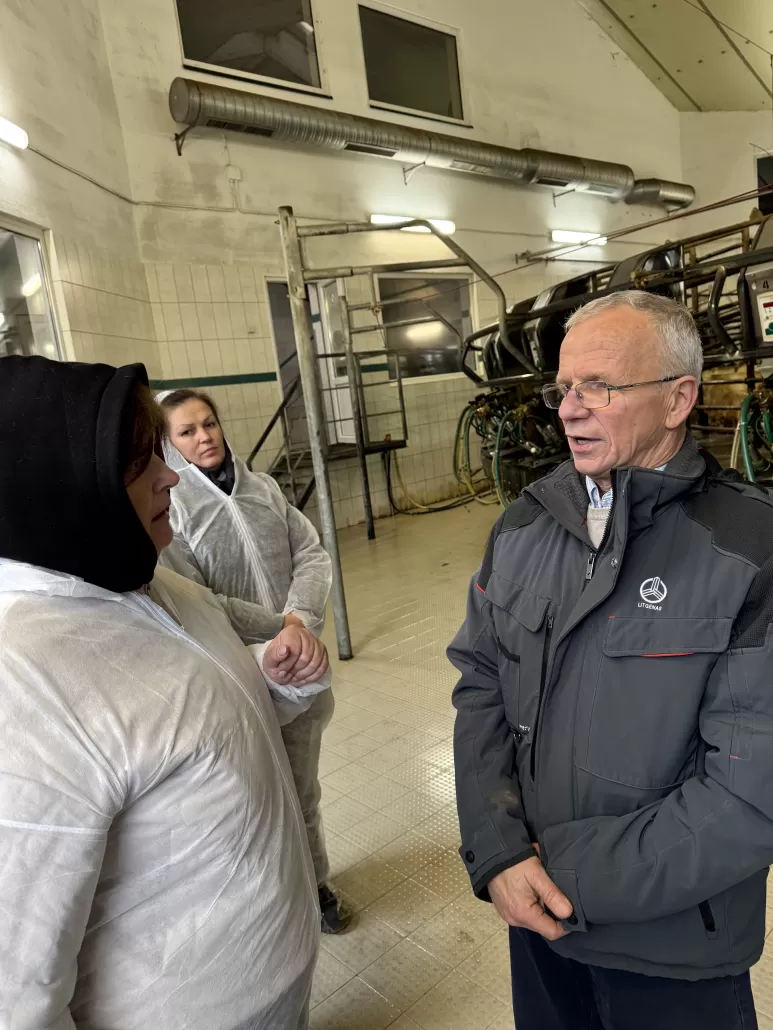
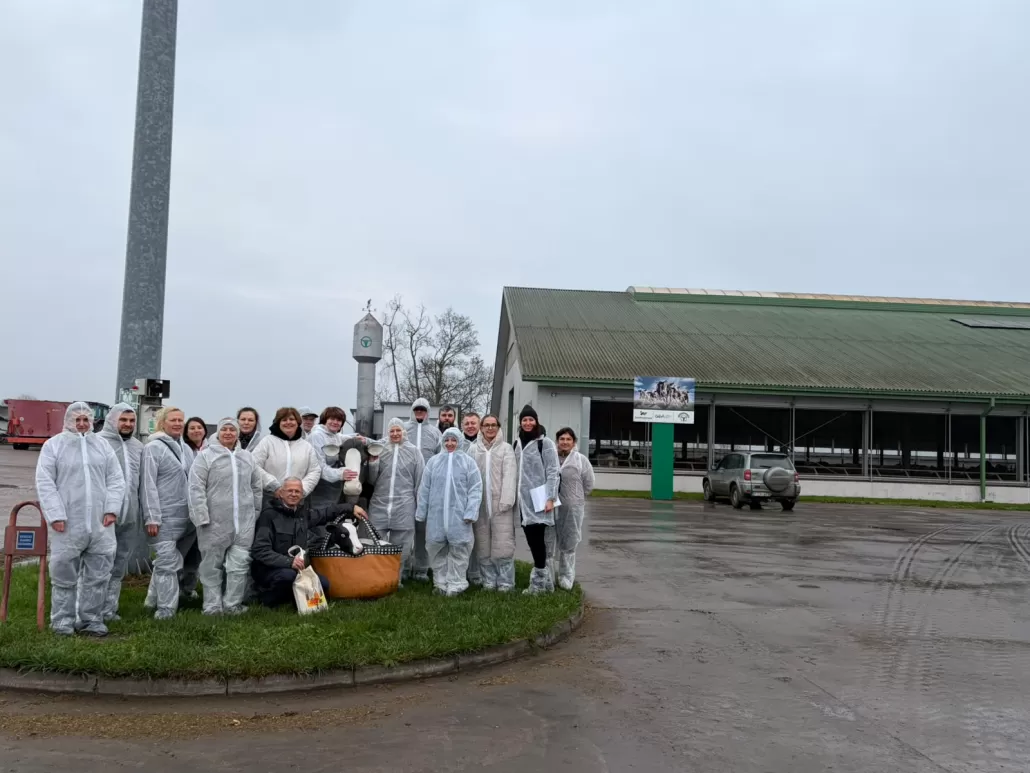
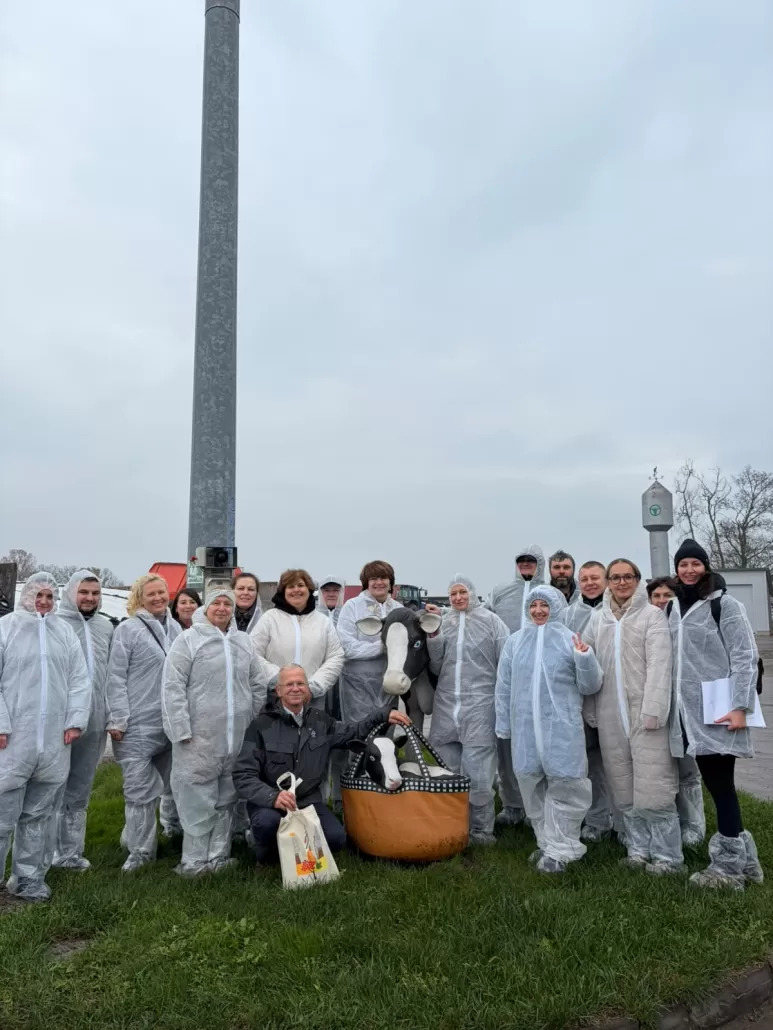
Participants observed how milking, milk storage and cooling processes are organised and how hygiene requirements are implemented.
Milk samples are collected by a trained representative of the milk purchaser, who must hold a sampling authorisation issued by the competent authority, VMVT. The purchaser is responsible for cooling and storing samples at its facility until they are collected by laboratory transport along agreed routes.
Combining farm-level control with centralised laboratory testing and access to test results provides a basis for objective milk quality assessment, timely identification of problems, and implementation of corrective measures.
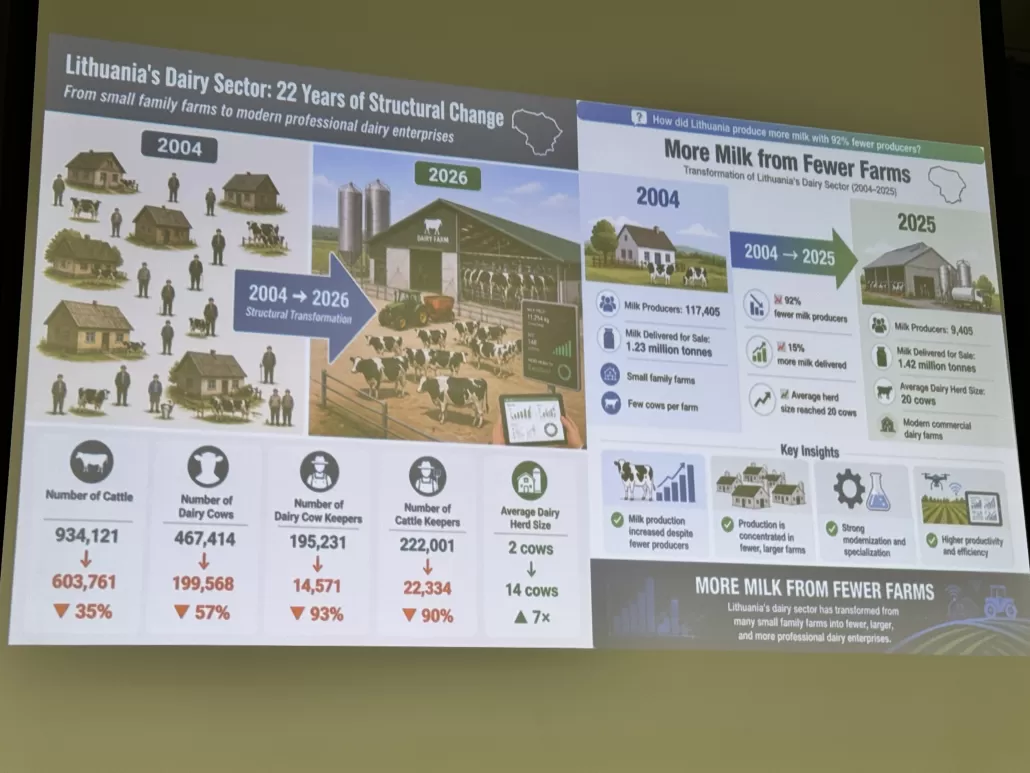
“Lithuania’s experience demonstrates that the transformation of the dairy sector is not only about farm consolidation and increased production efficiency. Above all, it is about establishing an integrated system in which all stakeholders operate effectively – from farmers and dairy processing enterprises to laboratories, official control authorities and institutions responsible for collecting and analysing sectoral data. For Ukraine, it is important not merely to adopt individual tools but to develop this kind of systemic cooperation, which will contribute to improving milk quality, increasing market transparency and strengthening the competitiveness of the dairy sector,” said Iryna Vysotska, QFTP Dairy Component Coordinator, summarising the outcomes of the study visit.
Studying the experience of EU countries and applying it in practice is an important element of supporting Ukraine’s European integration, strengthening institutional capacity and enhancing the competitiveness of the Ukrainian dairy sector.
The study visit was organised with the support of the European Union within the project “Improvement of Legislation, Control and Awareness in Food Safety, Animal Health and Welfare, and Phytosanitary in Ukraine” (EU4SaferFood) and Switzerland within the framework of the Swiss-Ukrainian Programme “Higher Value-Added Trade from the Organic and Dairy Sector in Ukraine” (QFTP), implemented by the Research Institute of Organic Agriculture (FiBL, Switzerland) in partnership with SAFOSO AG (Switzerland).