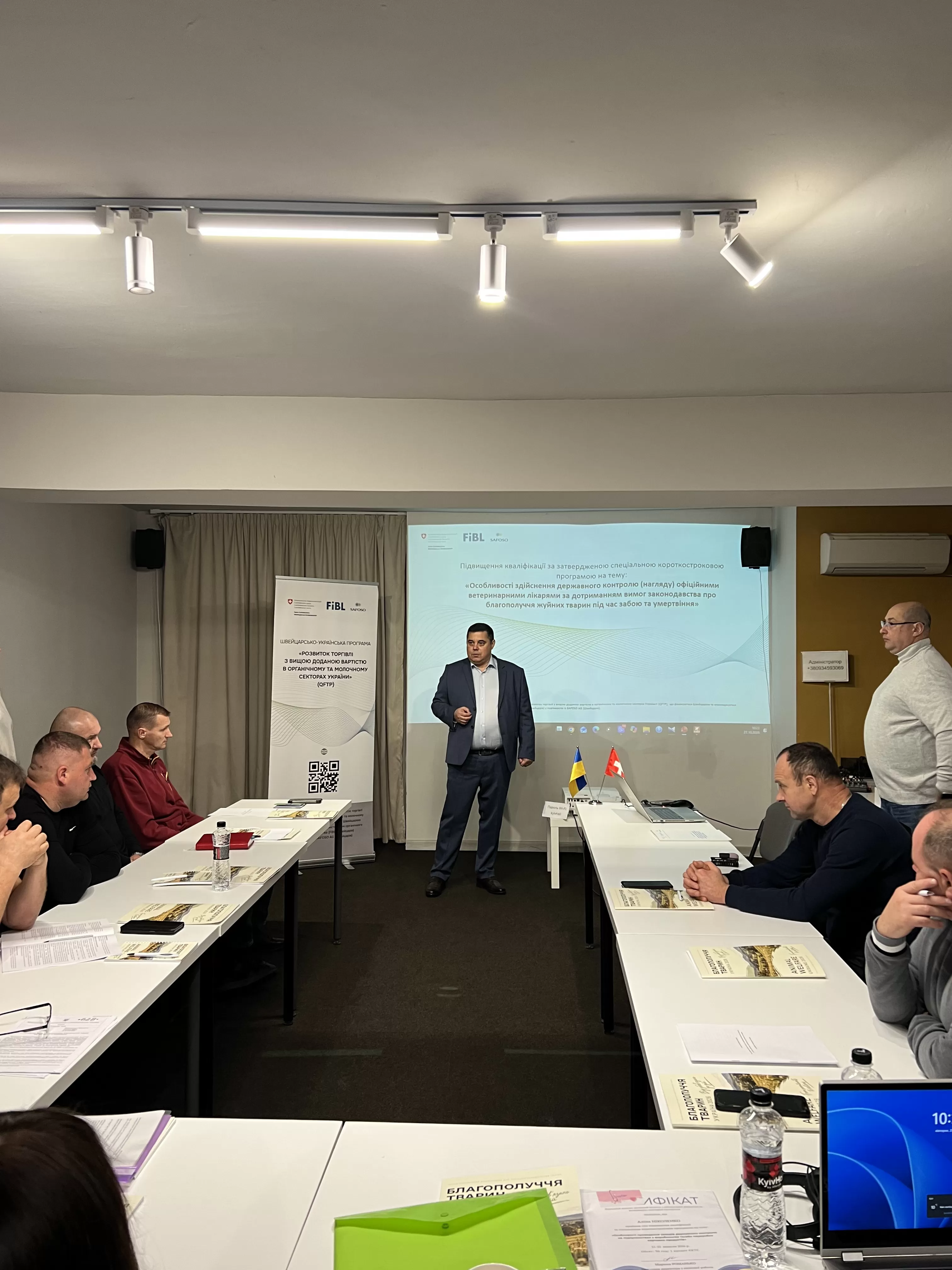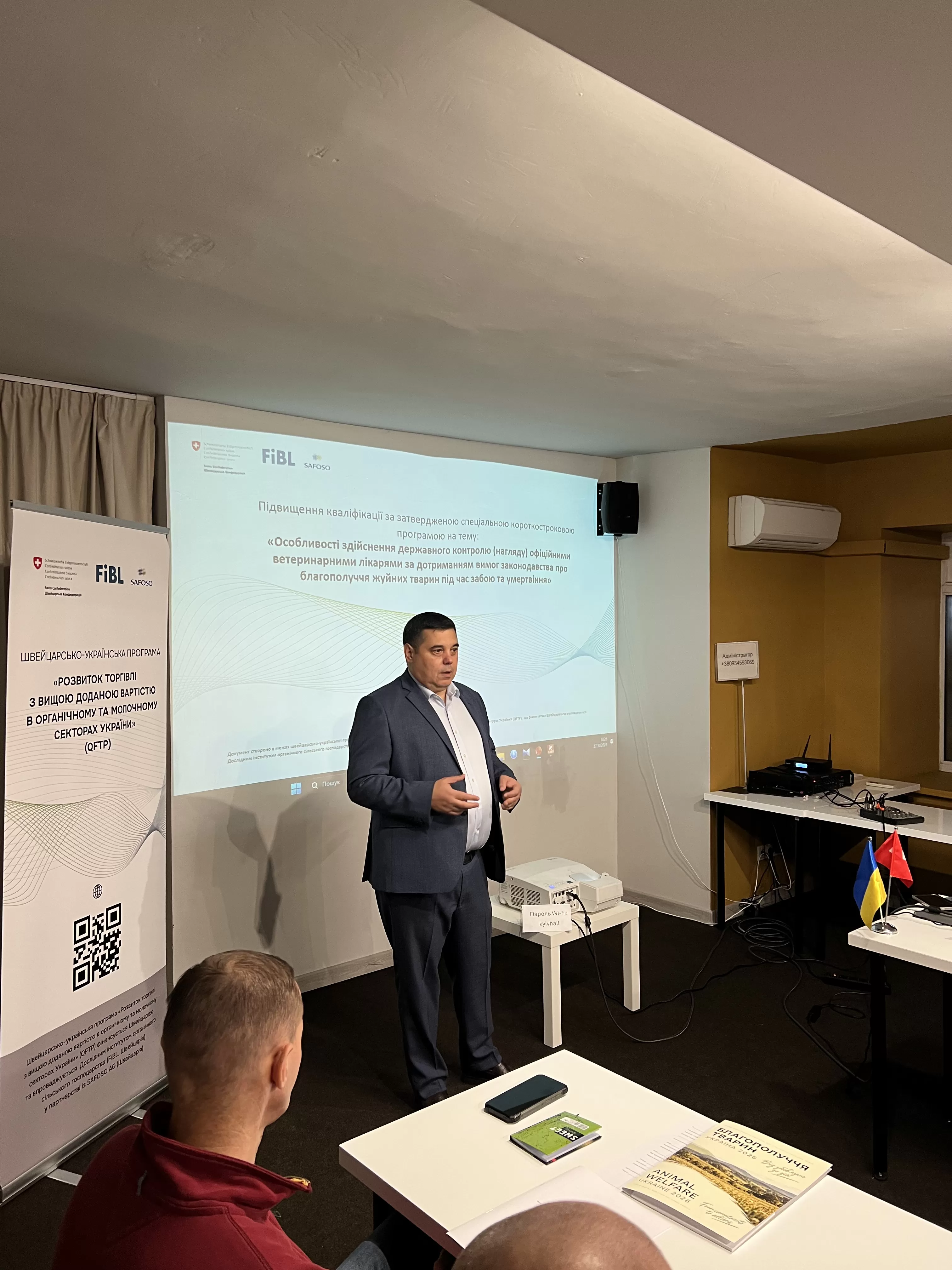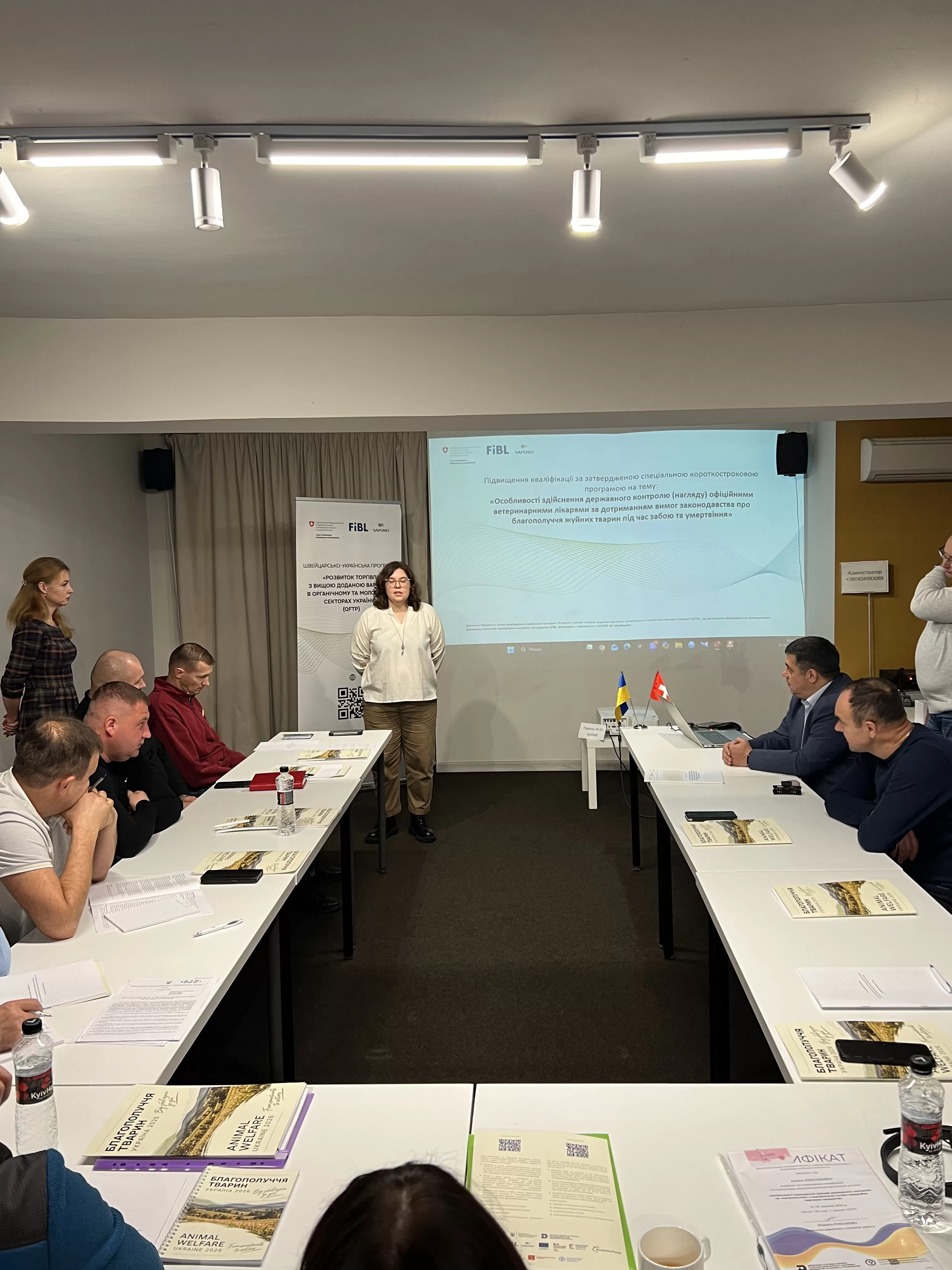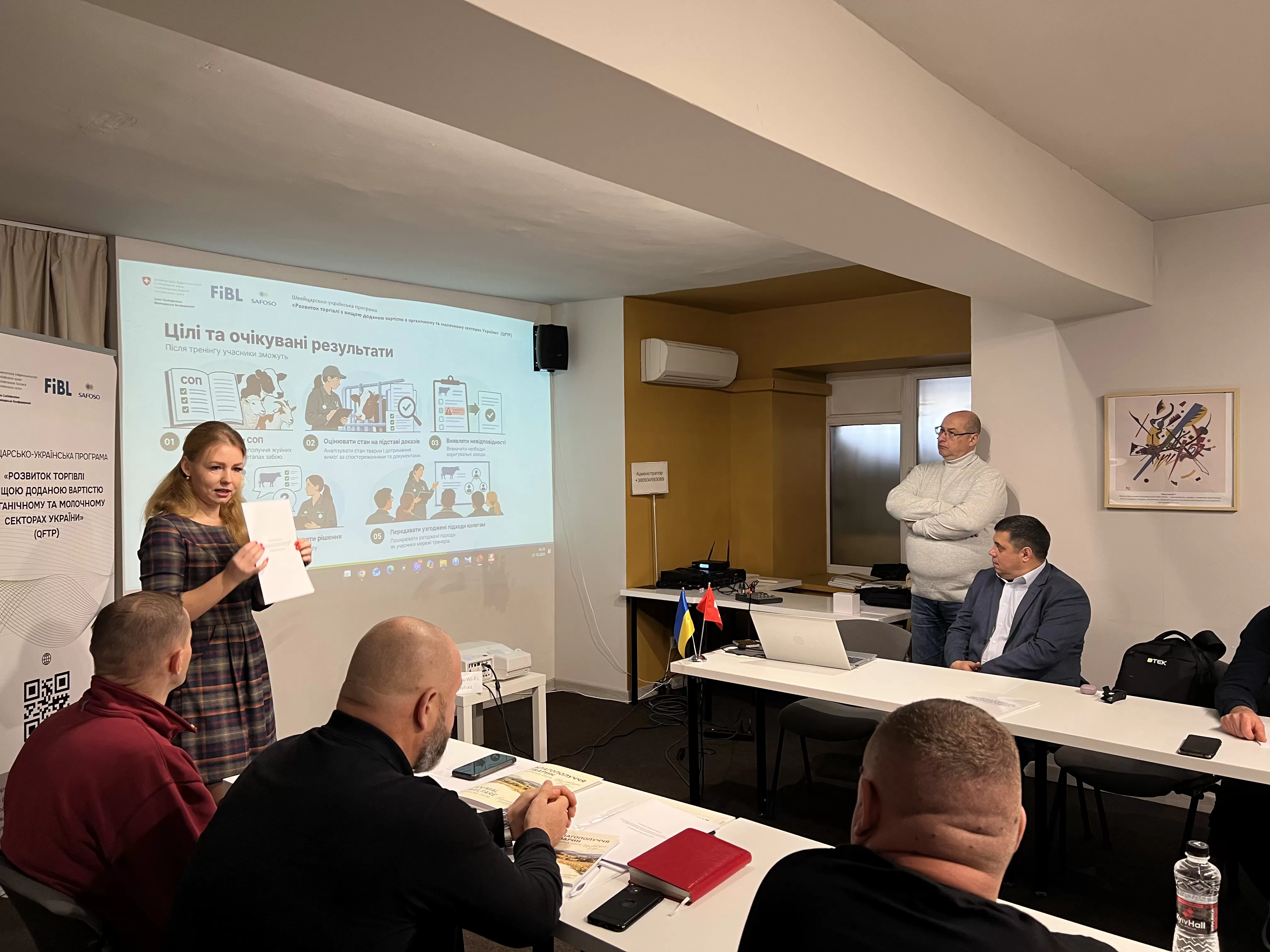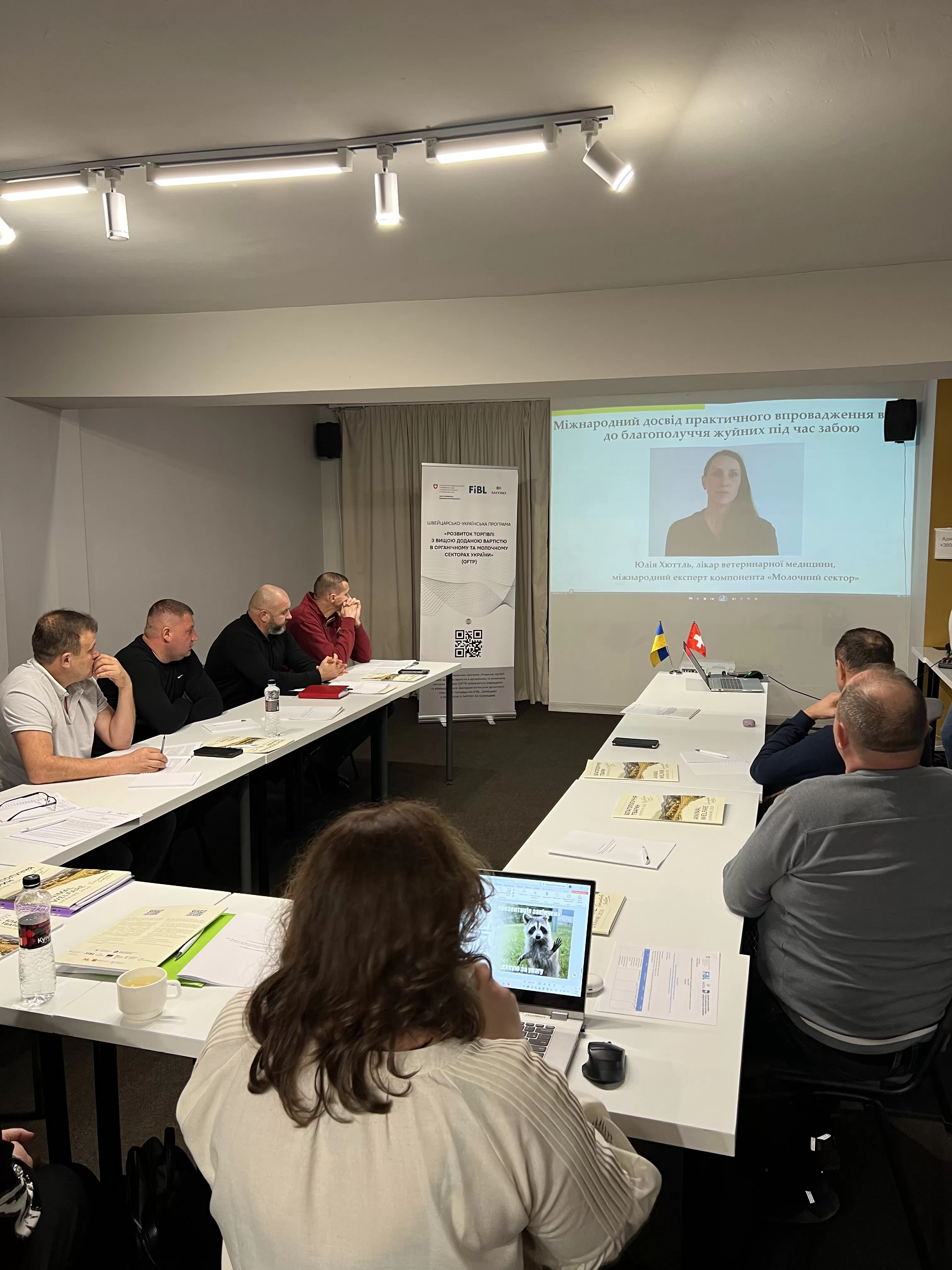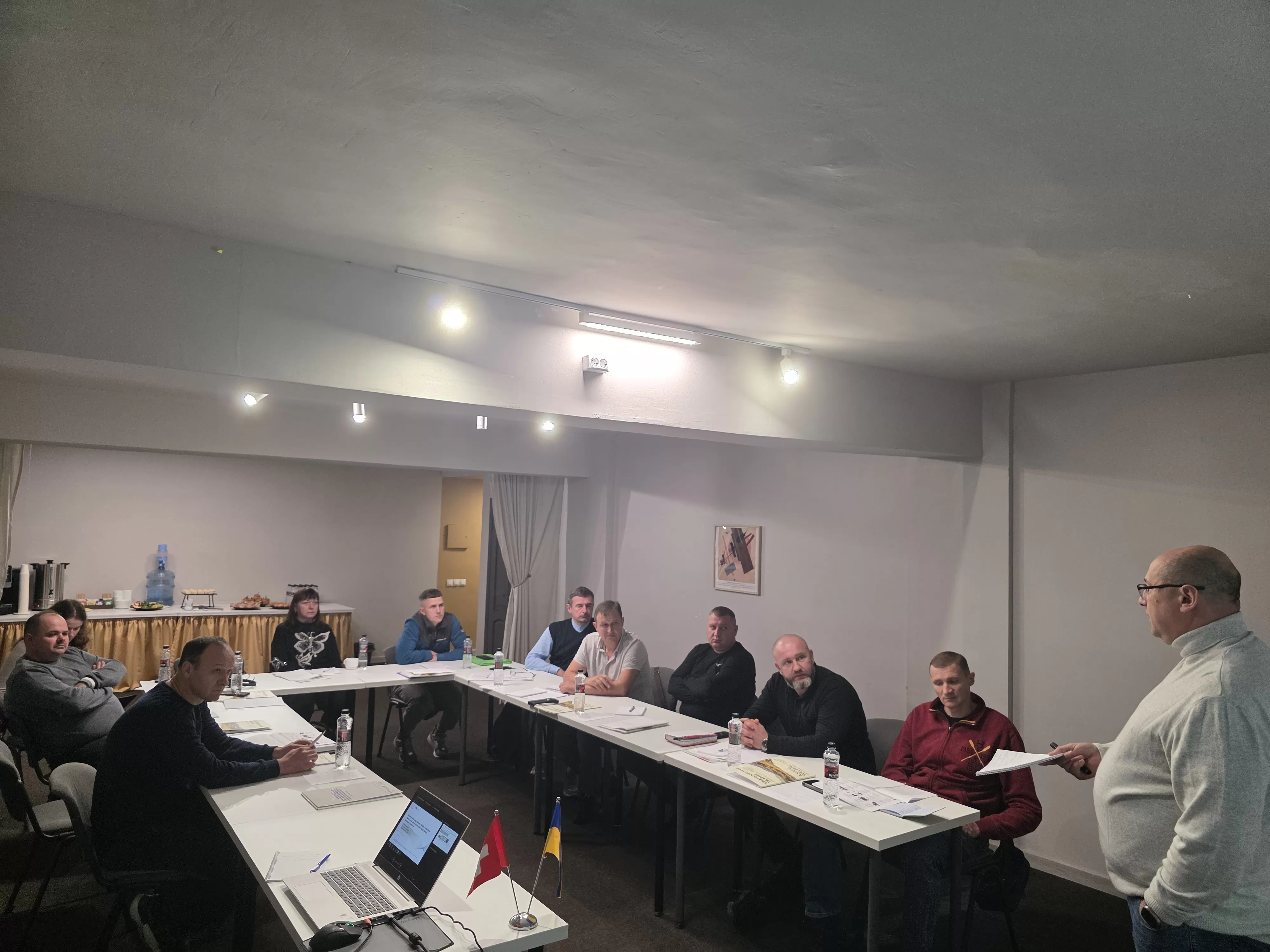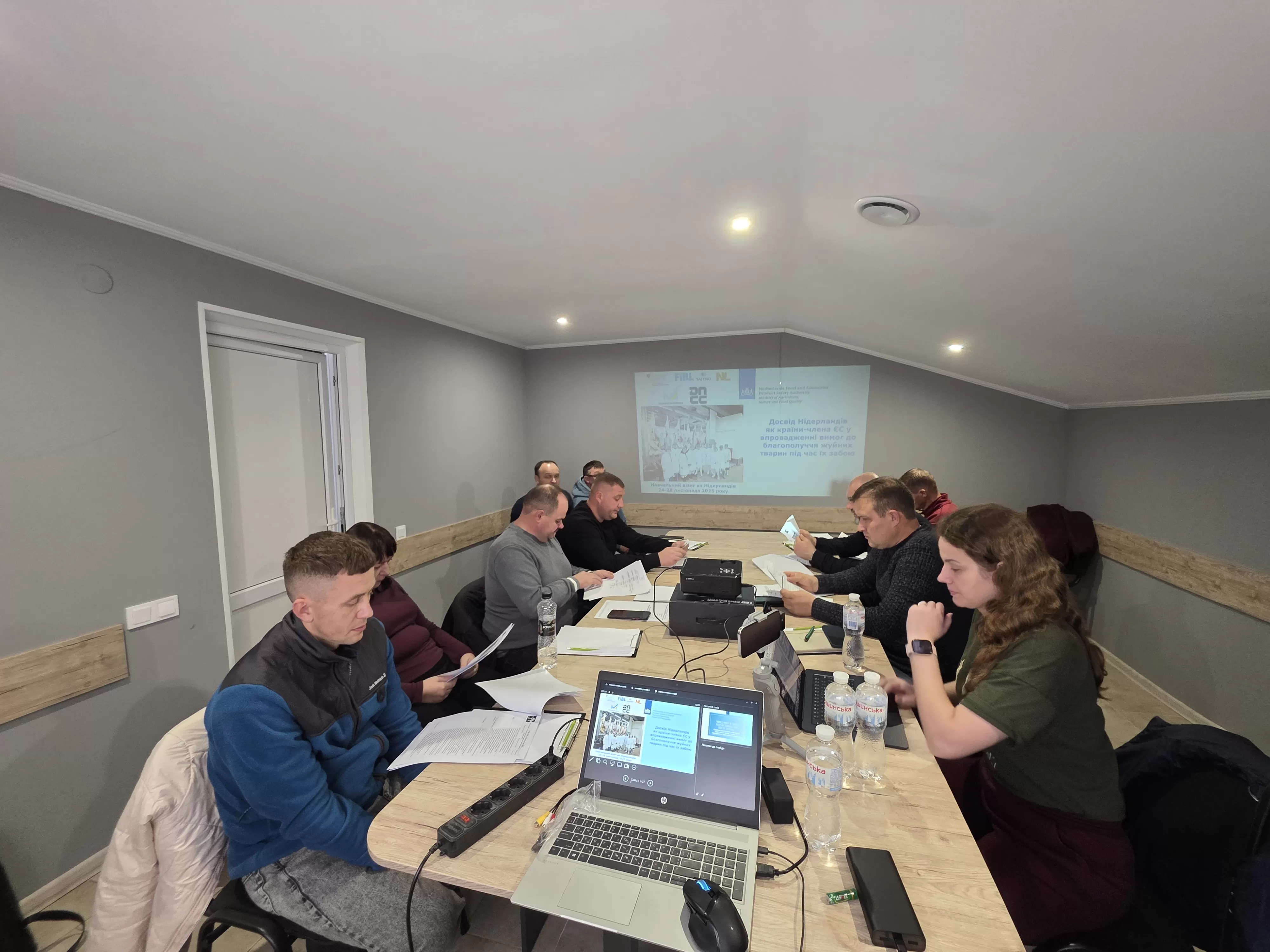
Ukraine continues to strengthen its system for training specialists to ensure consistent approaches to official controls on compliance with animal welfare legislation. Two interconnected training events focusing on the welfare of ruminants during slaughter and killing, held in October 2026, marked another step towards the practical implementation of animal welfare requirements.
The training was organised by the Training Centre of the State Scientific Research Institute of Laboratory Diagnostics and Veterinary and Sanitary Expertise (SSRILDVSE), in cooperation with the State Service of Ukraine on Food Safety and Consumer Protection (SSUFSCP), with the support of Switzerland within the framework of the Swiss-Ukrainian Programme “Higher Value-Added Trade from the Organic and Dairy Sector in Ukraine” (QFTP).
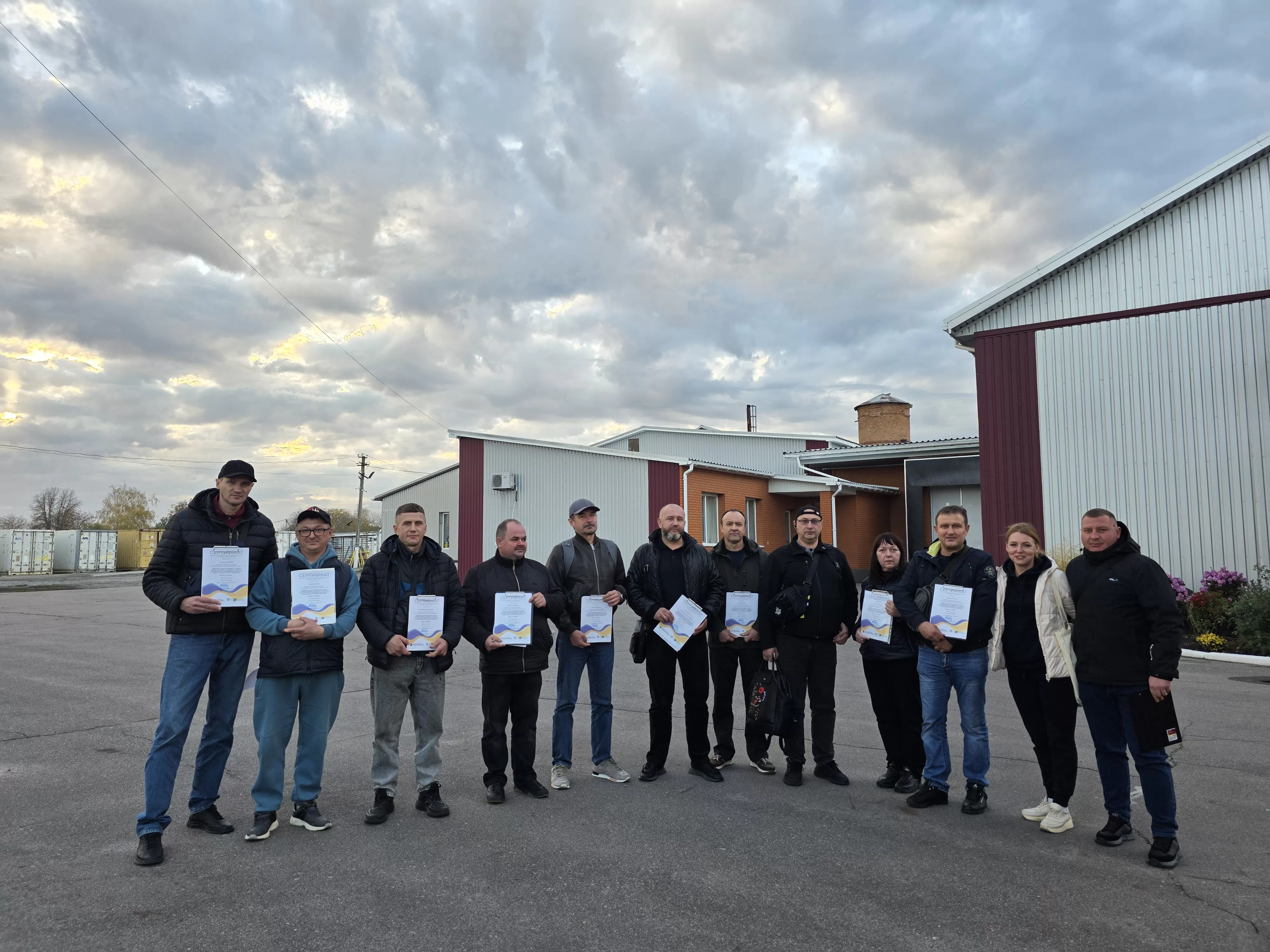
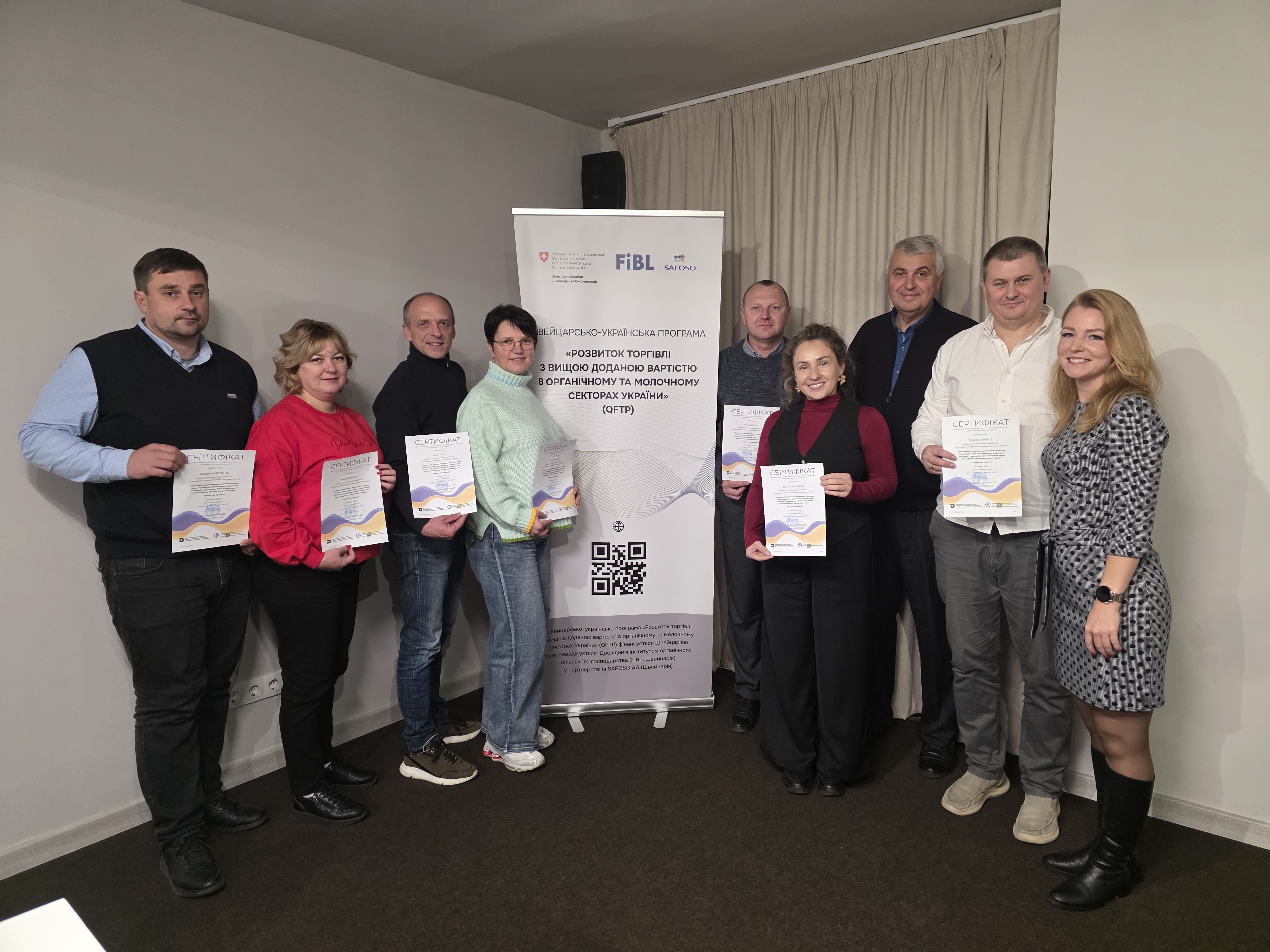
A total of 20 specialists participated in the two training events: 10 official veterinarians with experience working at ruminant slaughterhouses and 10 state veterinary inspectors who will serve as national animal welfare trainers. The shared objective was to strengthen participants’ professional competencies and develop a network of trainers who will subsequently share the knowledge gained with colleagues across Ukraine’s regions.
Deputy Head of the SSUFSCP Volodymyr Kusturov emphasised:“The trained official veterinarians and national trainers will be able to share the knowledge and practical experience gained during the training not only with their colleagues in other regions, ensuring consistent approaches to official controls, but also directly at their respective establishments, communicating legislative requirements to the management and personnel of slaughterhouses. This will help business operators better understand the new requirements and implement them properly in practice, ultimately improving animal welfare during slaughter in Ukraine.”
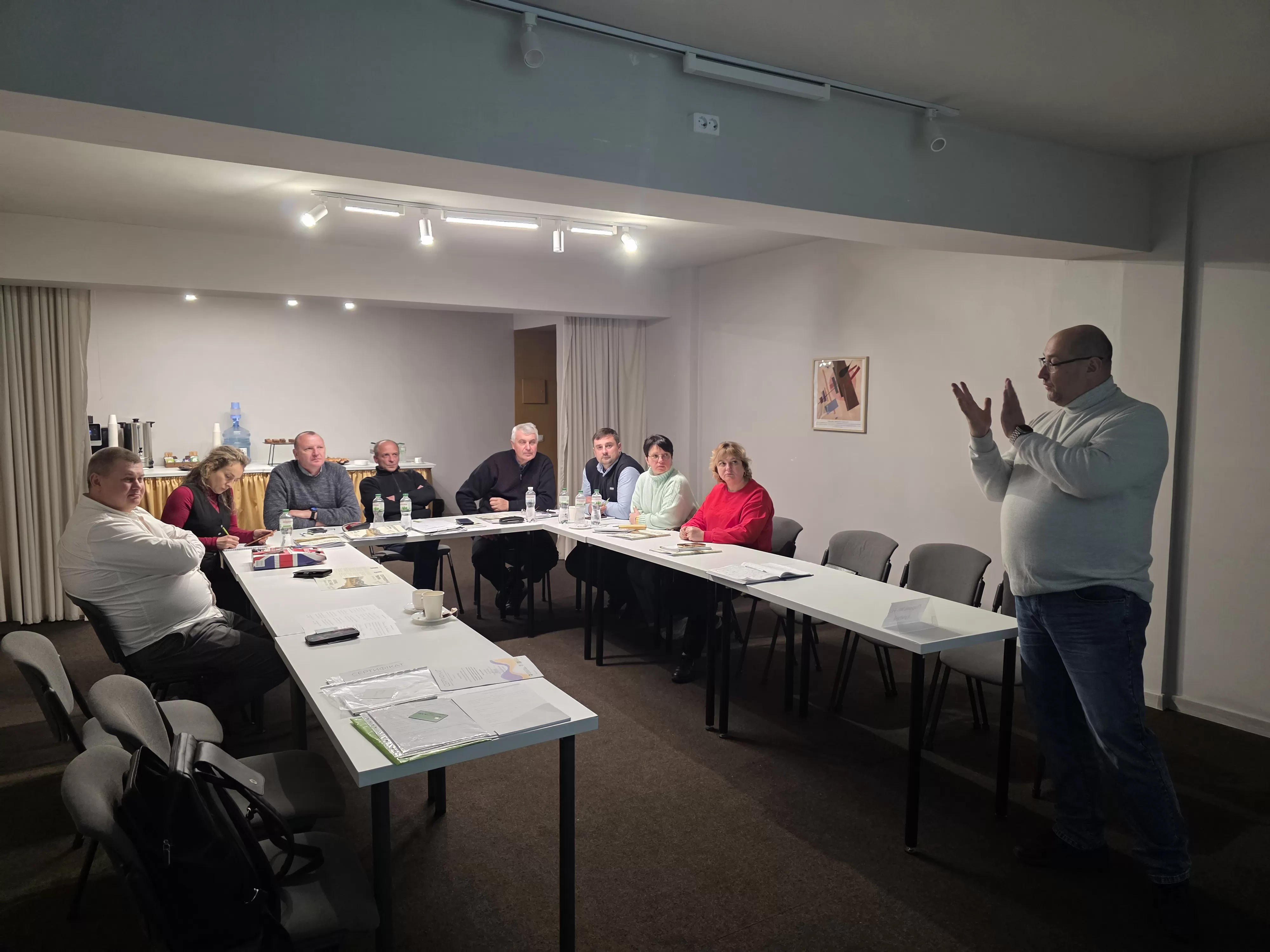
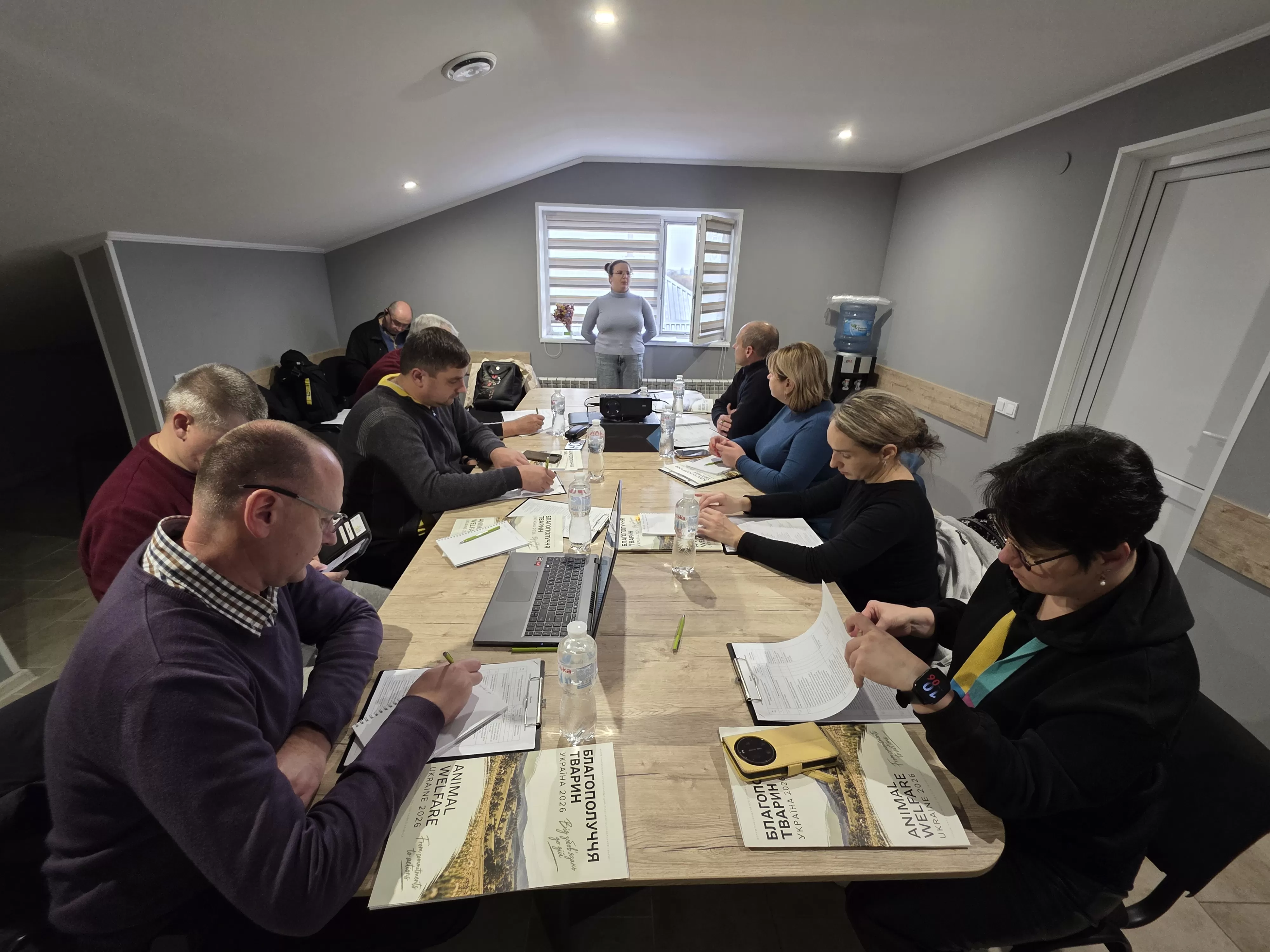
For official veterinarians, the training took place on 26–28 October, building on the theoretical training that began in June this year. For national trainers, the theoretical component was delivered in online format on 23 October, followed by in-person training on 28–30 October. Both events were conducted under specialised short-term professional development programmes jointly developed by specialists from the SSUFSCP, SSRILDVSE and QFTP experts.
The training programmes were tailored to the different responsibilities of the two target groups. Official veterinarians focused on day-to-day official controls on compliance with animal welfare requirements at slaughterhouses. National trainers examined approaches used by state veterinary inspectors to conduct periodic official controls, including inspections of business operators. Combining these two areas of training helps ensure coordinated actions among specialists and consistent application of legislative requirements.
One of the key training tools was a set of Standard Operating Procedures (SOPs) for official controls on compliance with legislative requirements concerning the welfare of ruminants during slaughter and killing. Separate SOPs were developed for official veterinarians and state veterinary inspectors, outlining the sequence of actions to be taken, the main aspects of compliance assessment and approaches to responding to identified non-compliances.
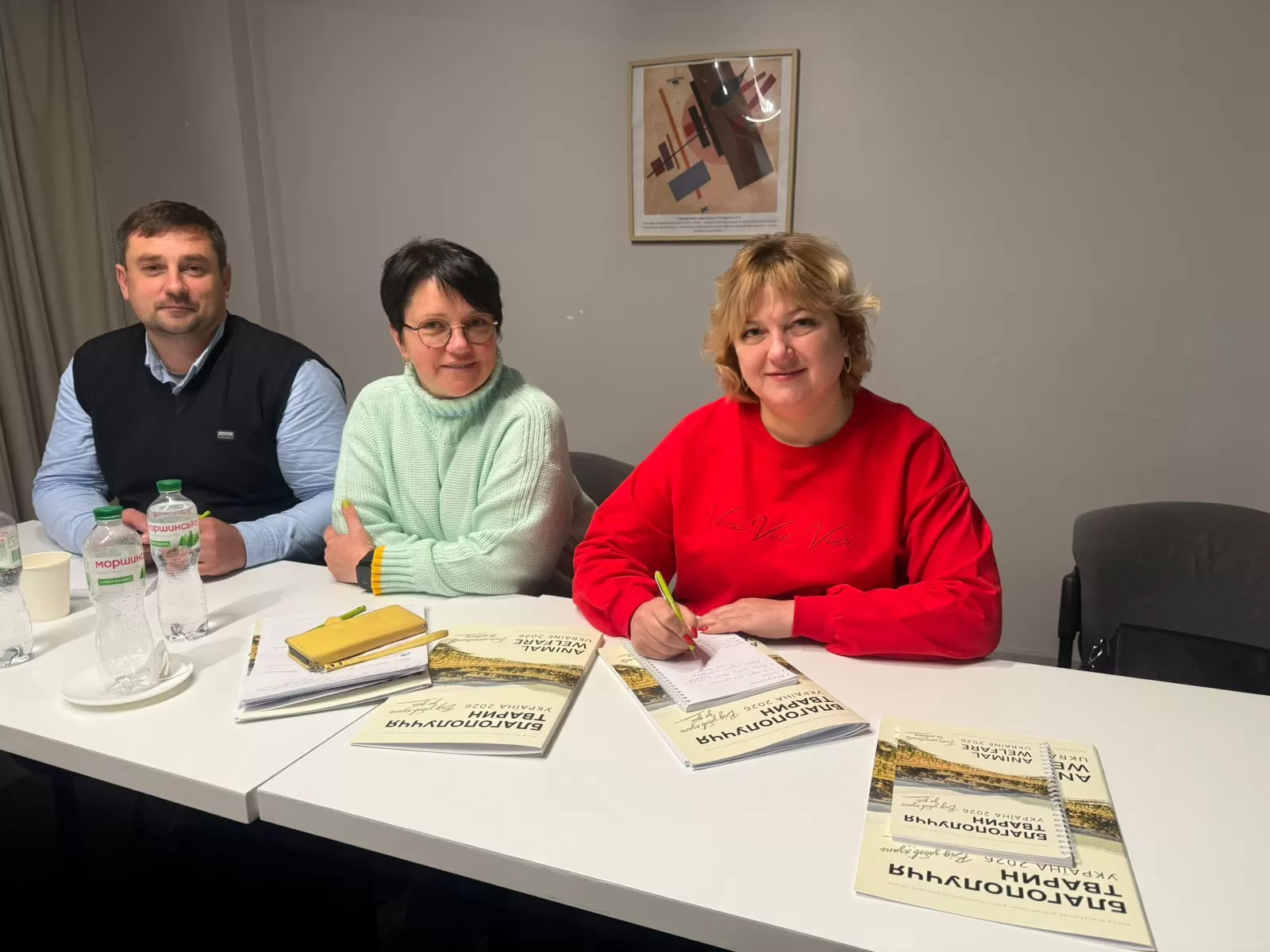
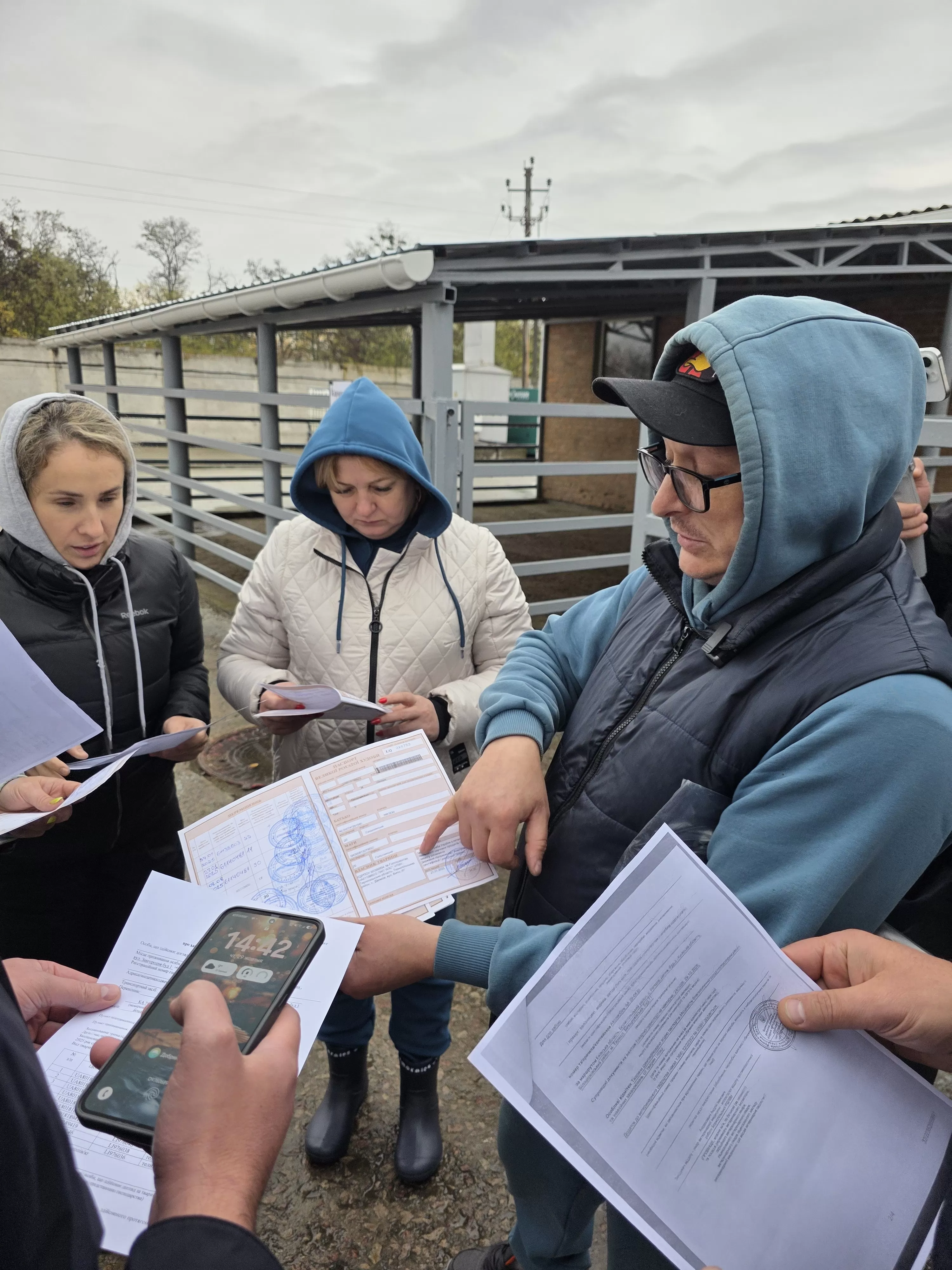
A significant part of both training events was devoted to case-based exercises. Participants analysed practical scenarios, identified potential non-compliances and discussed the actions required within the respective responsibilities of official veterinarians and state veterinary inspectors. This approach helped connect legislative requirements with the specific decisions specialists must make in their daily work.
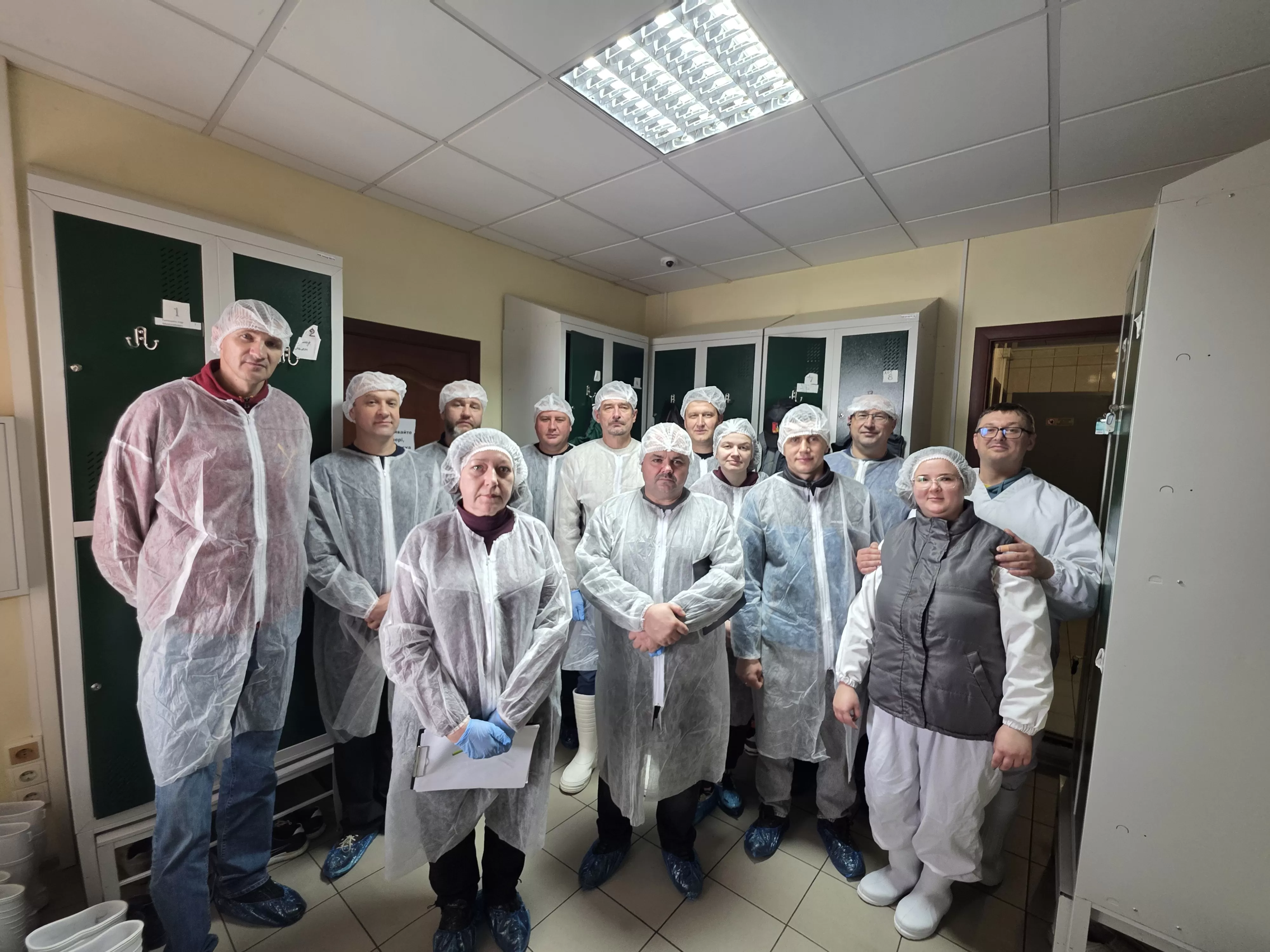
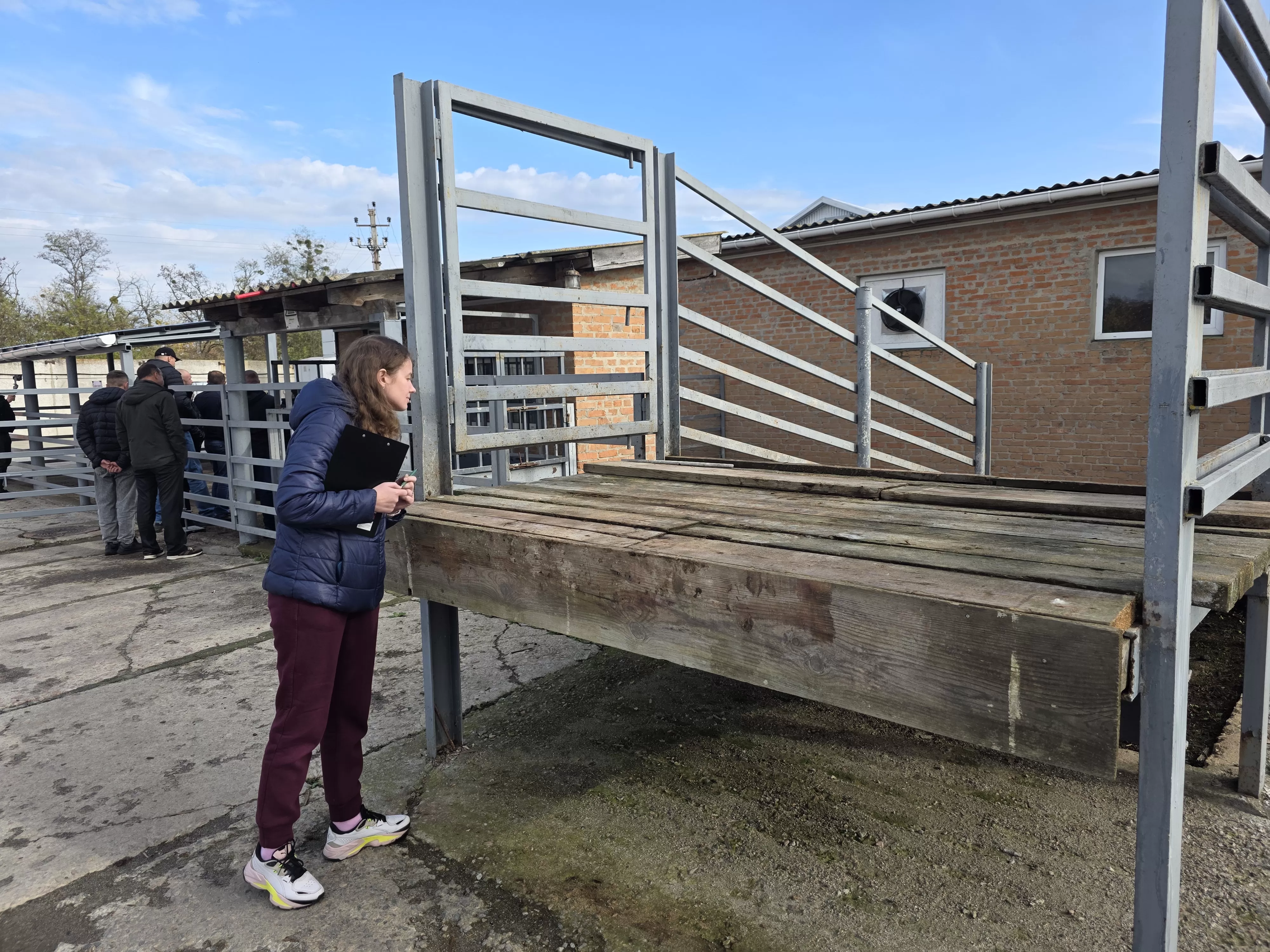
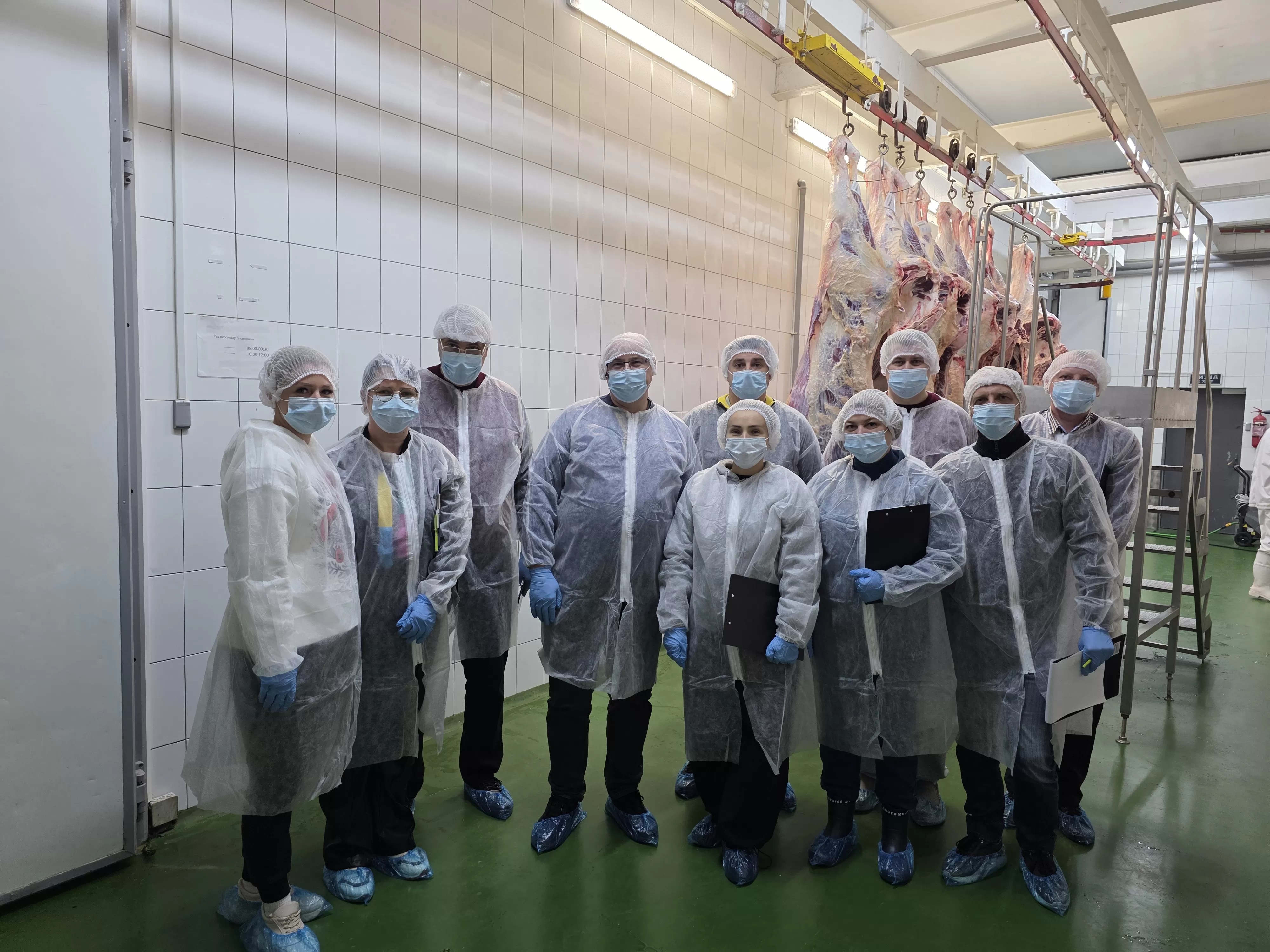
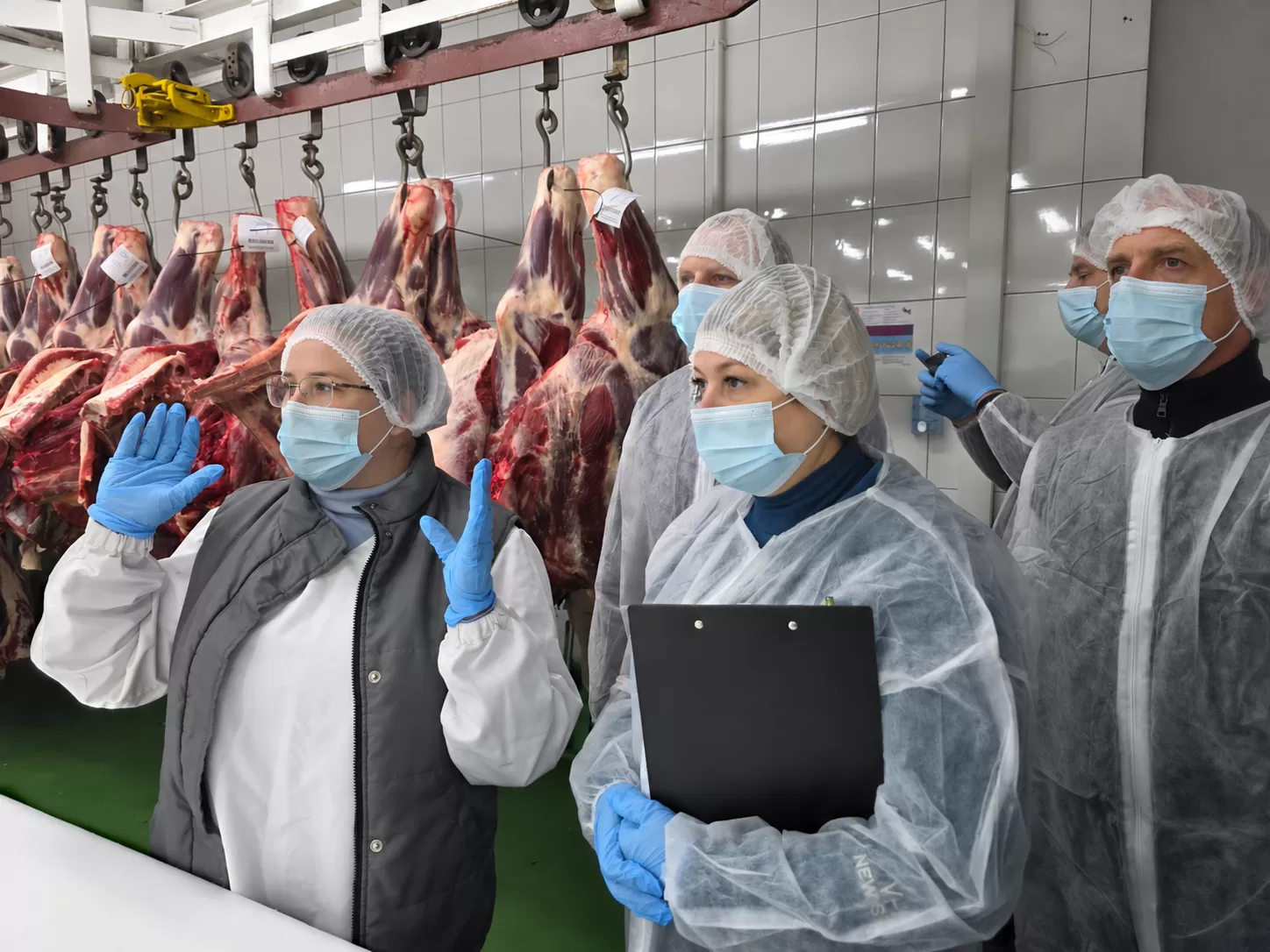
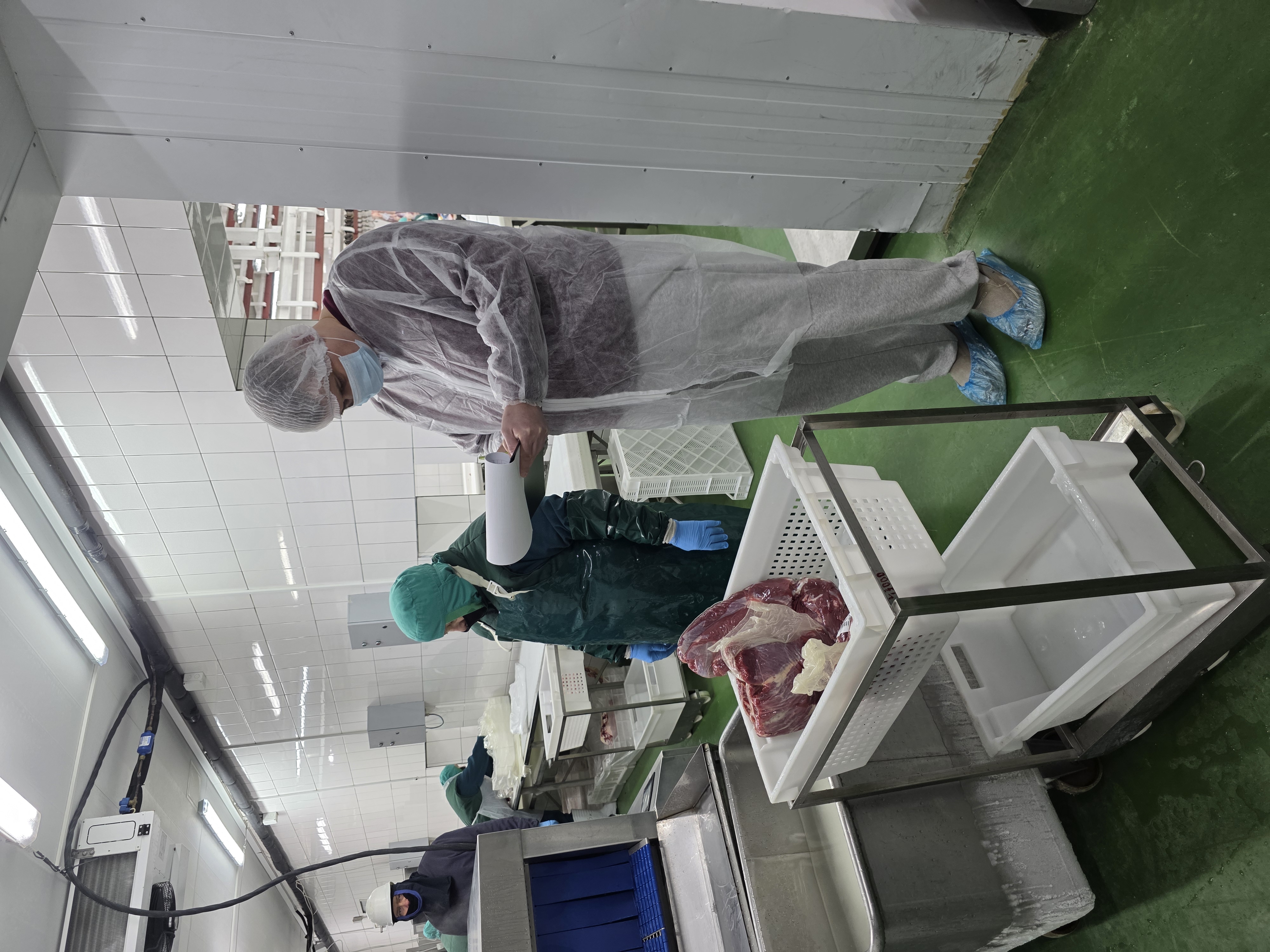
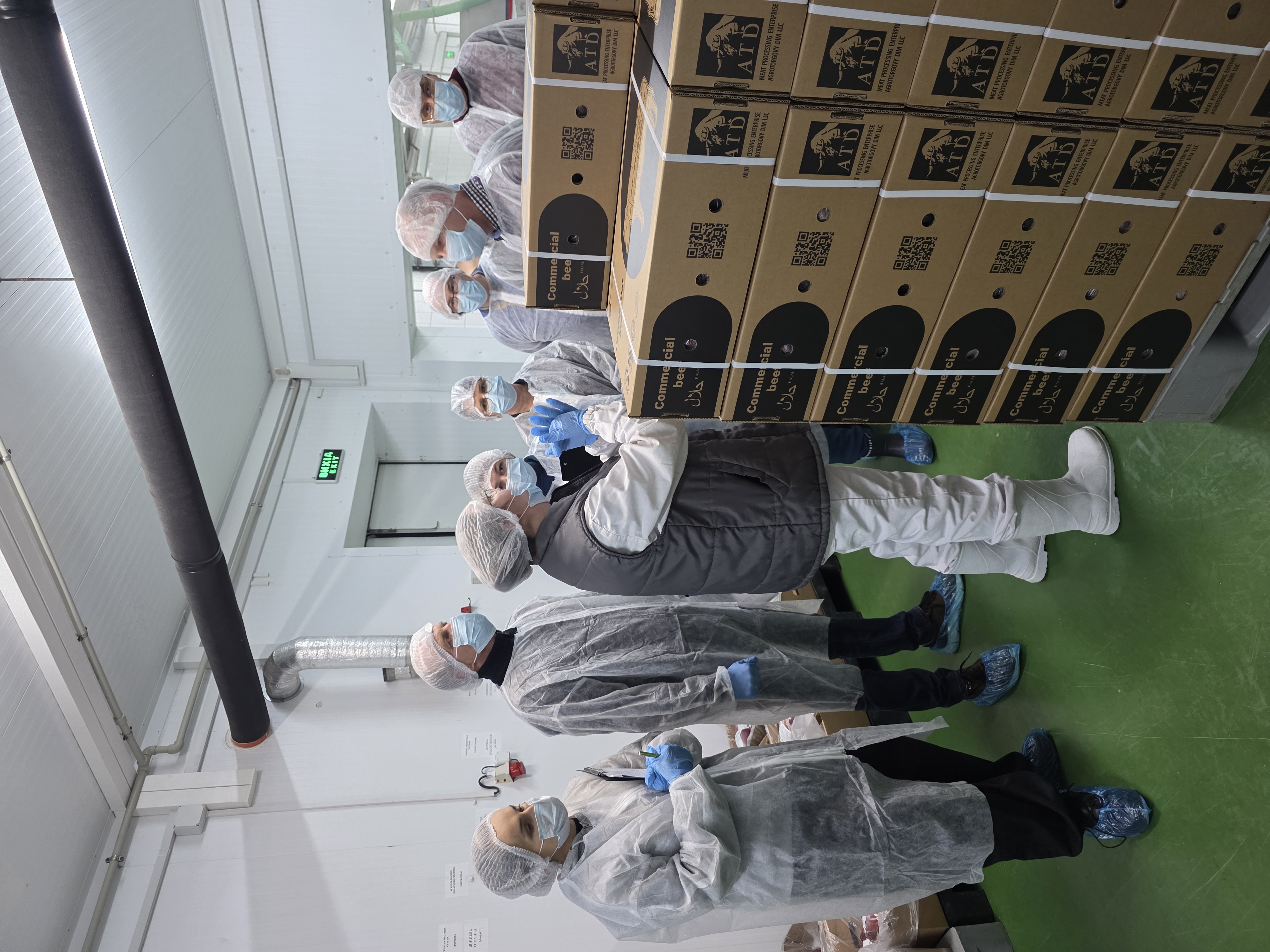
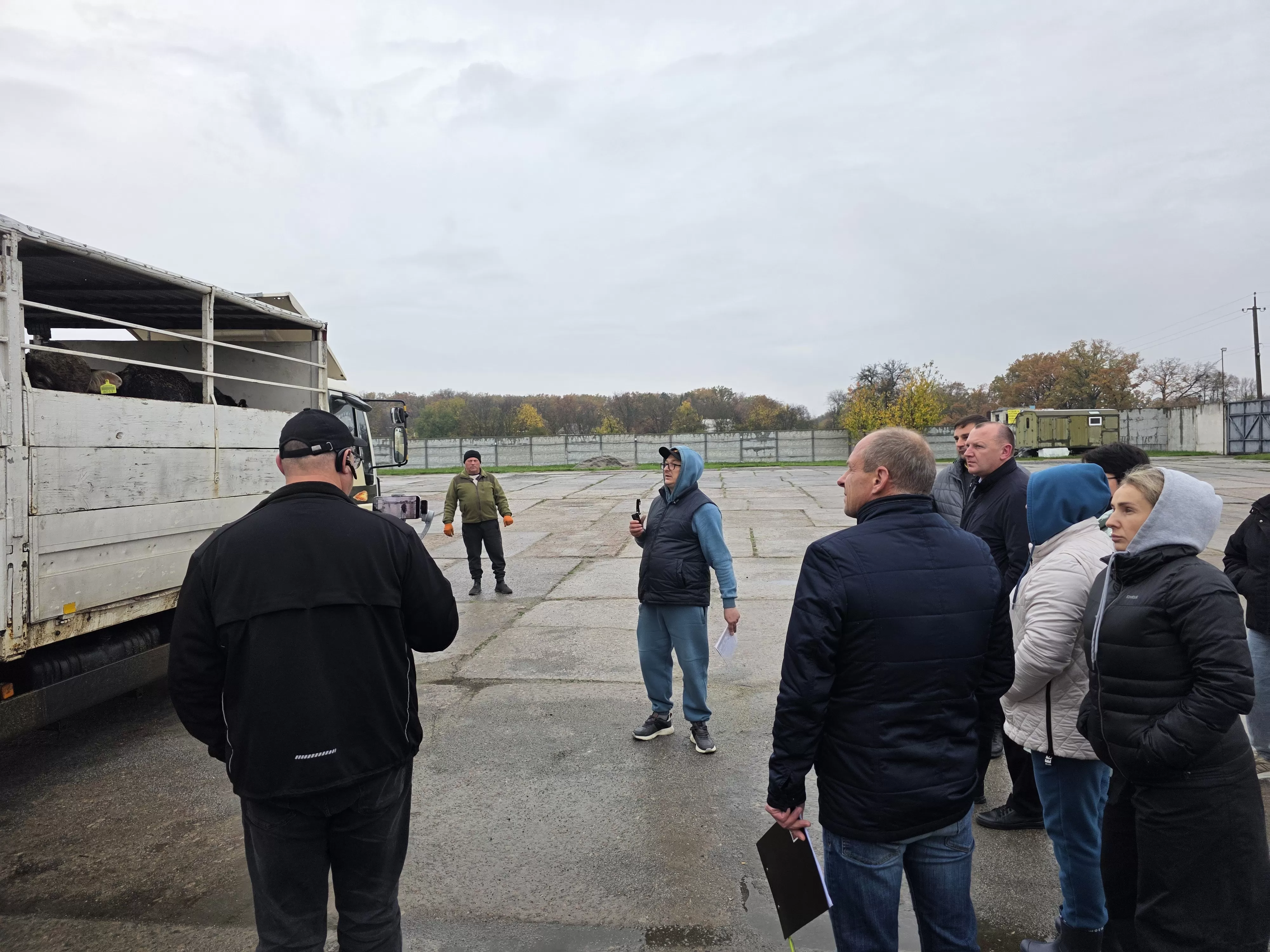
Practical sessions were held at AGROTORHOVYI DIM Meat Processing Enterprise LLC in Tarashcha, Kyiv region. Participants practised assessing compliance with ruminants welfare requirements at all key stages, including slaughter carried out in accordance with religious rites: from the arrival of animals at the establishment, unloading and lairage to handling, restraint, bleeding and confirmation of death. An important component was examining cooperation between slaughterhouse personnel, the animal welfare officer, the official veterinarian and the territorial body of the SSUFSCP.
During simulation exercises, each participant had the opportunity to explain and justify their assessment of a practical situation, identify the necessary response measures and receive guidance from a mentor. Discussions of the results with the management and representatives of the enterprise helped link the training exercises to the practical aspects of slaughterhouse operations.
The two interconnected training events represent a continuation of the implementation of the training concept for SSUFSCP specialists under the Roadmap for Ensuring the Implementation of EU Animal Welfare Legislation in Ukraine for 2025–2027. Training official veterinarians and state veterinary inspectors as national trainers lays the groundwork for further knowledge dissemination across Ukraine’s regions and the establishment of consistent approaches to official controls in this area.
We would like to express our gratitude to the Training Centre of SSRILDVSE, SSUFSCP specialists, and the management and personnel of AGROTORHOVYI DIM Meat Processing Enterprise LLC for their cooperation in organising the training and providing the opportunity to develop practical skills directly at a slaughterhouse.
To support the implementation of the new requirements, QFTP has translated and adapted the European Commission’s information materials on the welfare of ruminants during slaughter into Ukrainian. These materials provide practical guidance for different target audiences and are publicly available on the SSUFSCP website under the section “Requirements for Ensuring the Welfare of Ruminants During Slaughter and Killing“.
These events were organised and conducted in cooperation with the State Service of Ukraine on Food Safety and Consumer Protection, with the support of Switzerland within the framework of the Swiss-Ukrainian Programme “Higher Value-Added Trade from the Organic and Dairy Sector in Ukraine” (QFTP), implemented by the Research Institute of Organic Agriculture (FiBL, Switzerland) in partnership with SAFOSO AG (Switzerland).