Ukraine is continuing to implement EU animal welfare requirements as an integral part of the European integration process. From 2 March 2026, requirements to ensure animal welfare during slaughter and killing, approved by Order No. 628 of the Ministry of Agrarian Policy and Food, came into force in Ukraine. The practical implementation of these requirements significantly depends on the work of official veterinarians, who daily monitor the slaughterhouses, detect non-compliance and contribute to the implementation of corrective measures. That is why their professional level affects the effectiveness of state control and the real provision of animal welfare during slaughter.
One of the key steps in this process was the first theoretical phase of training for a future network of trainers drawn from the ranks of veterinarians, which took place on 8–9 June 2026 as part of the implementation of the approved special short-term programme “Peculiarities of state control (supervision) by official veterinarians over compliance with the requirements of the legislation on the welfare of ruminants during slaughter and killing”.
The training was organised by the Training Center of the State Scientific Research Institute of Laboratory Diagnostics and Veterinary and Sanitary Expertise (SSRILDVSE) with the support of specialists from the Ministry of Economy, Environment and Agriculture of Ukraine (MEEAU), the central office of the State Service of Ukraine on Food Safety and Consumer Protection (SSUFSCP) as well as experts from the the Swiss-Ukrainian Programme “Higher Value Added Trade from the Organic and Dairy Sector in Ukraine” (QFTP).
The main participants in the event were official veterinarians selected to form the future network of trainers. In future, they will be responsible for disseminating knowledge amongst their colleagues in the regions and will help to establish a unified approach to state oversight of compliance with animal welfare legislation during slaughter.
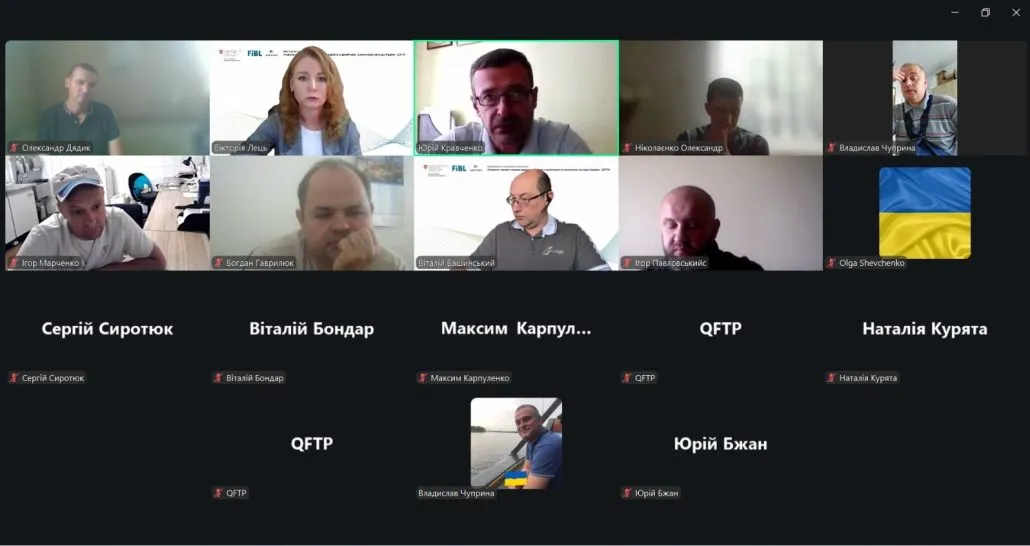
At the same time, the topic generated considerable interest among specialists within the SSUFSCP. Other official veterinarians and representatives of Main Administrations of SSUFSCP joined the training as participants. In total, around 70 specialists took part in the event.
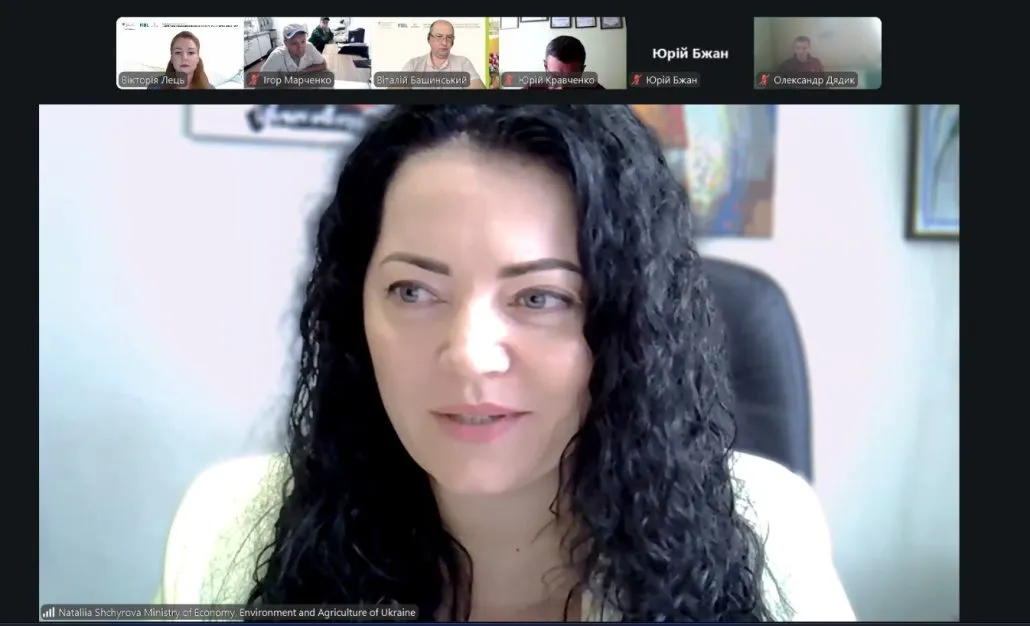
Natalia Shchyrova, Acting Director of the Department of State Policy on Sanitary and Phytosanitary Measures and Food Safety at the MEEAU, emphasised in her opening remarks: “Ukraine has already moved from the stage of drafting legislation on the welfare of farmed animals to the stage of its practical implementation. Our shared task today is to ensure that these requirements are properly implemented. That is precisely why the Ministry of Economy and the SSUFSCP are devoting considerable attention to training specialists who are capable not only of applying the new requirements in practice, but also of training others. It is particularly valuable that today’s event is aimed at establishing a network of trainers drawn from among official veterinarians, who play a key role in ensuring compliance with the legislation at slaughterhouses.”
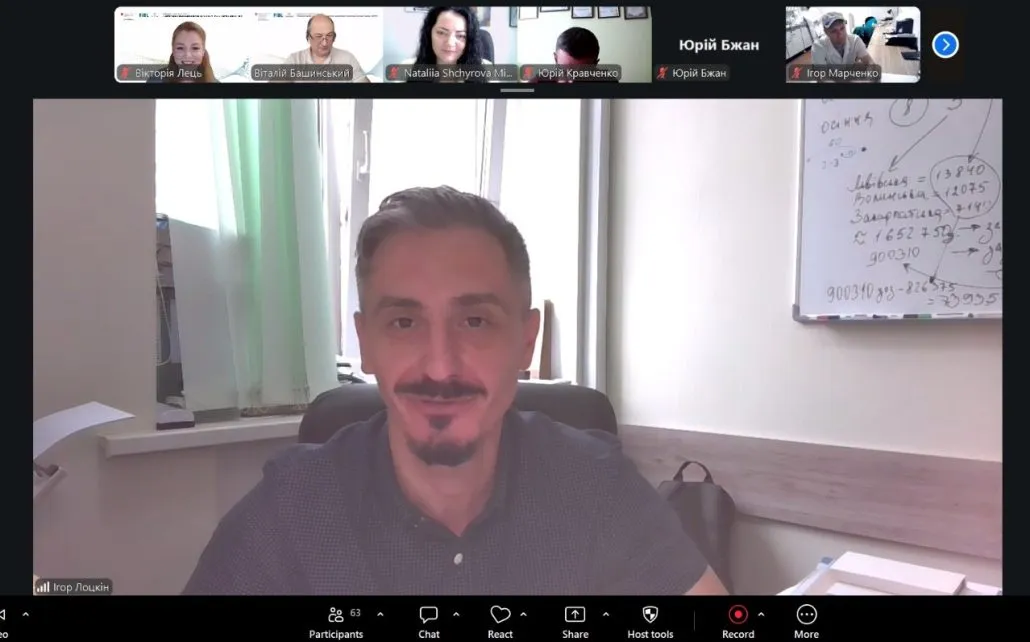
Igor Lotskin, Director of the Department of Food Safety and Veterinary Medicine at the SSUFSCP, noted: “The knowledge and practical experience gained during the training will enable the trained official veterinariansnot only to pass this on to their colleagues in other regions, ensuring a consistent approach to state control, but also to disseminate this knowledge directly at their establishments, communicating the legal requirements to the managers and staff of slaughterhouses. This will contribute to a better understanding of the new requirements by food business operators and their proper implementation in practice, and consequently — to improving animal welfare during slaughter in Ukraine.”
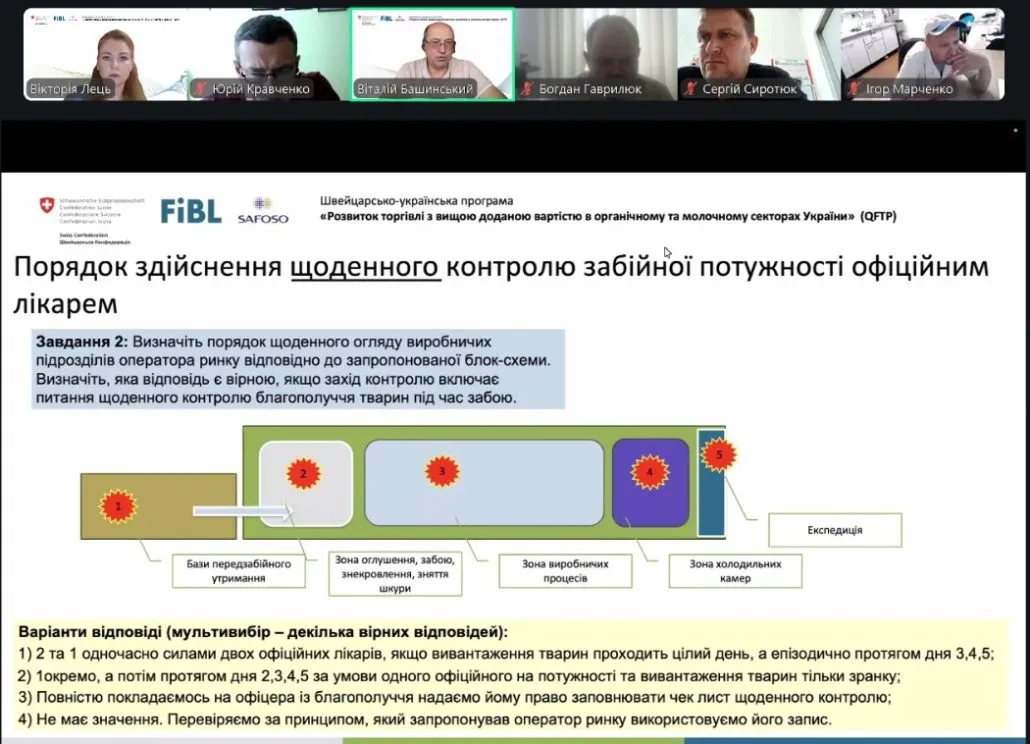
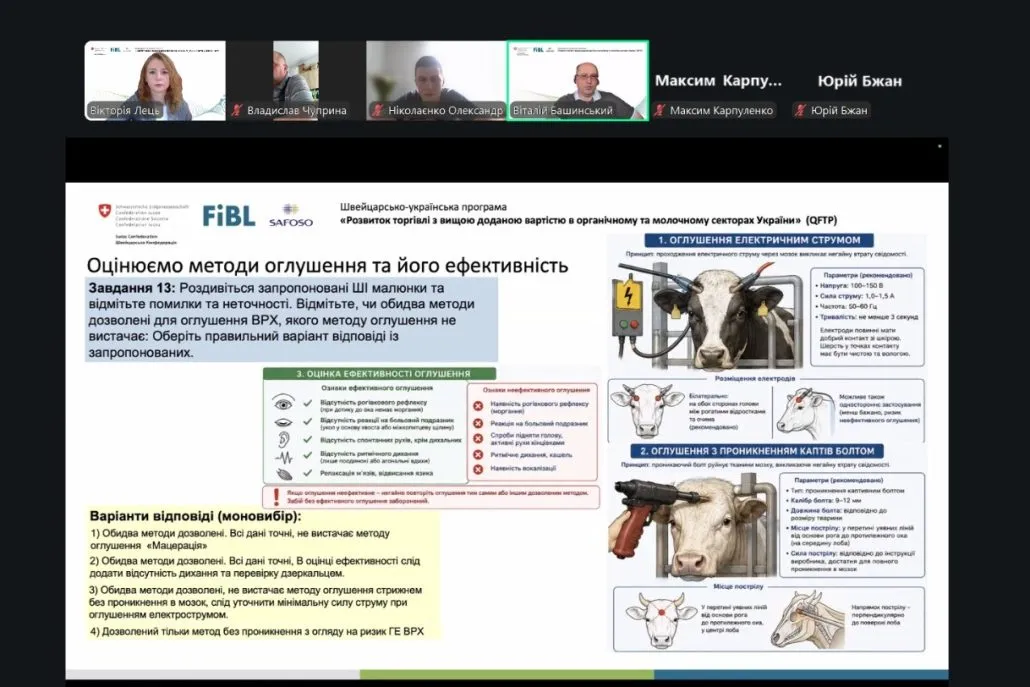
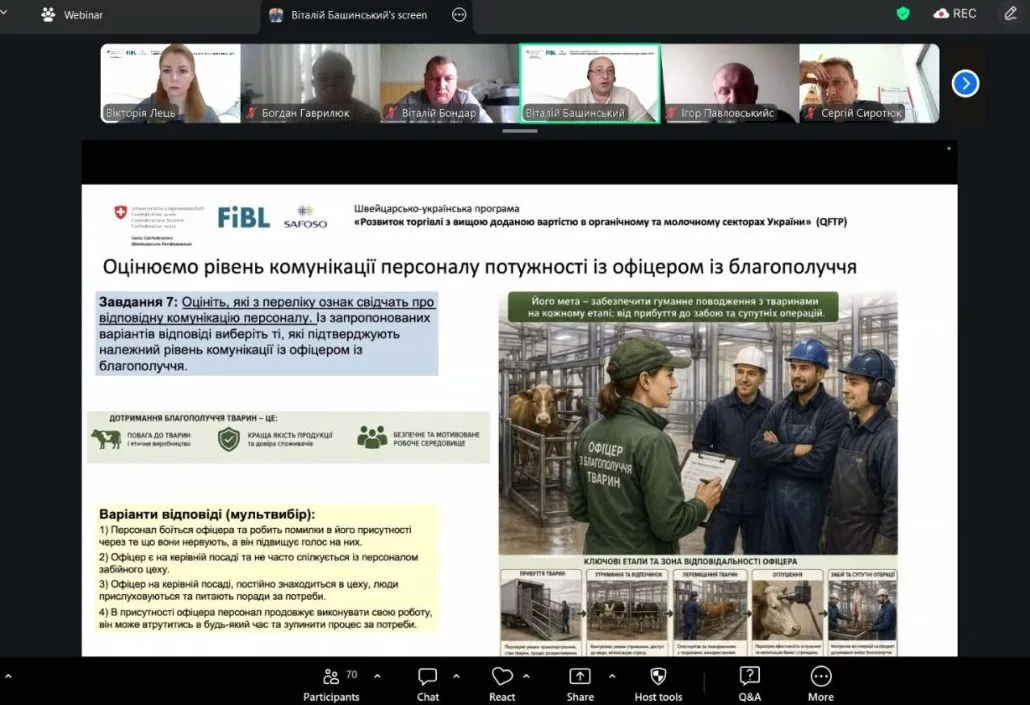
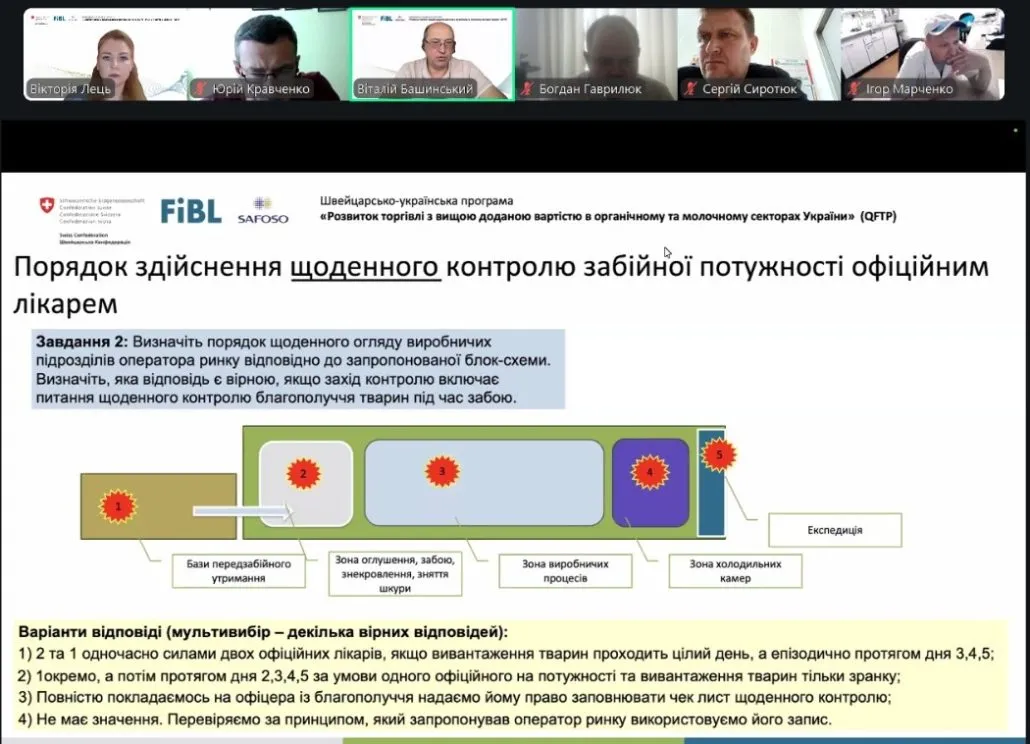
It is important to note that this event was merely the first stage in the training of future trainers. The theoretical component of the training was based not only on studying the requirements of the legislation, but also on analysing practical examples, photo and video materials, as well as examining scenario-based exercises. Participants assessed real-life operational situations, identified potential non-compliance and practised the procedures to be followed by an official veterinarian. This approach provides a better understanding of how legislative requirements are applied in practice during the exercise of state control.
The next stages of training will involve further refining the theoretical knowledge and practical skills of the future trainers, including hands-on practice directly at slaughterhouses, as well as establishing a sustainable system for knowledge transfer in the field of animal welfare.
Establishing a network of trained trainers is a key element in implementing the Roadmap for the implementation of EU animal welfare legislation in Ukraine. Training trainers from among official veterinarians is just one element of developing the system of state control in this area. In the future, similar train-the-trainer courses will also be held for state inspectors who carry out periodic state control measures (inspections) of food business operators. Training both official veterinarians and state inspectors will help to establish a consistent approach to assessing compliance with legislative requirements and ensure effective control of compliance at all levels.
To support the implementation of the new requirements, information materials from the European Union on the welfare of ruminants during slaughter have been adapted into Ukrainian as part of the QFTP’s activities. The materials contain practical recommendations for various target audiences and are freely available on the SSUFSCP’ website under the section “Requirements for ensuring the welfare of ruminants during slaughter and killing” (in Ukrainian only).
This event was organised with the support of Switzerland within the framework of the Swiss-Ukrainian Programme “Higher Value Added Trade from the Organic and Dairy Sector in Ukraine” (QFTP), implemented by the Research Institute of Organic Agriculture (FiBL, Switzerland) in partnership with SAFOSO AG (Switzerland).