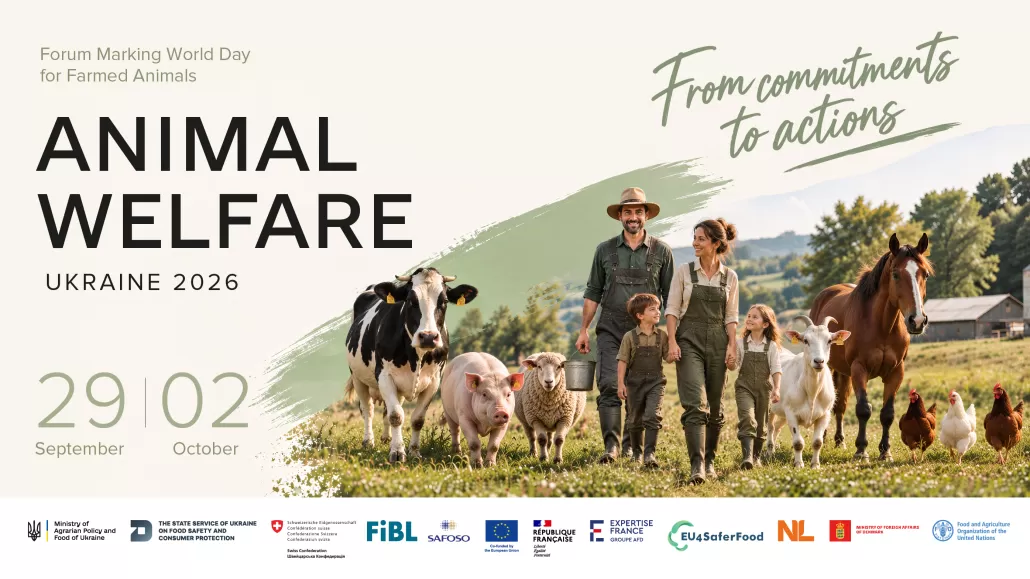
Ensuring the welfare of farmed animals is an important component of modern livestock production. It involves humane and responsible treatment of animals at all stages of their lives and is also linked to protecting animal health, product quality and safety, international trade, and the competitiveness of producers. For Ukraine, implementing requirements in this area is also part of the European integration process.
European animal welfare standards need to be applied in the day-to-day work of business operators during the keeping, transport, slaughter and killing of animals. This requires clear rules, properly trained personnel, practical tools for business operators, and effective official controls. Ukraine’s progress in this area and what is needed to drive further change were among the key issues that brought participants together at the Forum “Animal Welfare – Ukraine 2026: From Commitments to Actions”, held on 29 September and 2 October 2026 in Kyiv in a hybrid format.
For the third time, Ukraine joined the global initiative marking World Day for Farmed Animals, continuing the series of annual events launched in 2024.
More than 830 participants registered for the Forum, including representatives of public authorities, business operators, the private sector and professional associations , scientific and educational institutions, non-governmental organisations, EU Member States, and international development partners. Live streams on the Facebook and YouTube channels of the State Service of Ukraine on Food Safety and Consumer Protection made it possible to reach an even wider audience interested in the topic.
The two-day event combined an exchange of French and Ukrainian experience with a discussion of progress in implementing the Roadmap for Ensuring the Implementation of EU Animal Welfare Legislation in Ukraine for 2025–2027 (Roadmap). The discussions focused on the preparedness of public authorities and business operators, the practical needs of different sectors, and opportunities for coordinated international support.
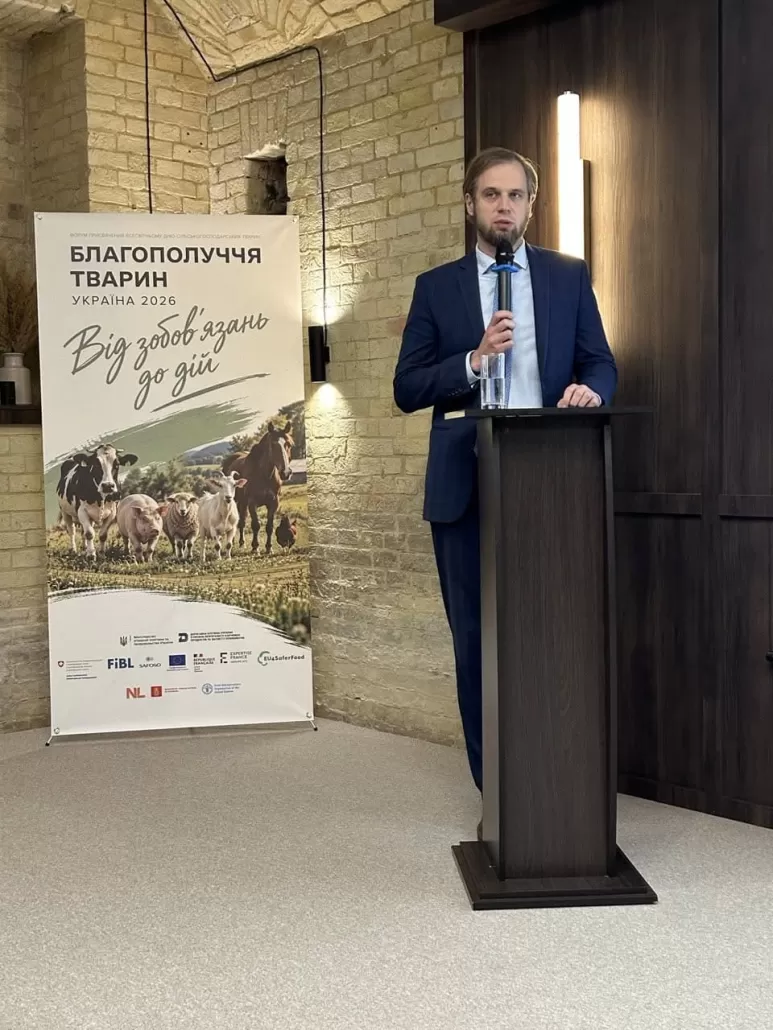
In his welcoming remarks, Taras Vysotskyi, Minister of Agrarian Policy and Food of Ukraine, emphasised the practical dimension of Ukraine’s European integration commitments:“European integration is not only about adopting the necessary legislation and aligning our rules with the EU acquis. Above all, it is about concrete changes that work in practice. In the area of farmed animal welfare, we already have clear commitments and have set out in the Roadmap the necessary steps up to 2028. Our task now is to ensure their consistent implementation – from preparing public authorities and business operators to ensuring effective controls and day-to-day compliance with the requirements. It is essential for us that European standards become part of everyday practice in Ukraine’s livestock sector. This is what moving from commitments to actions means. This is how we are building a system compatible with European standards.”
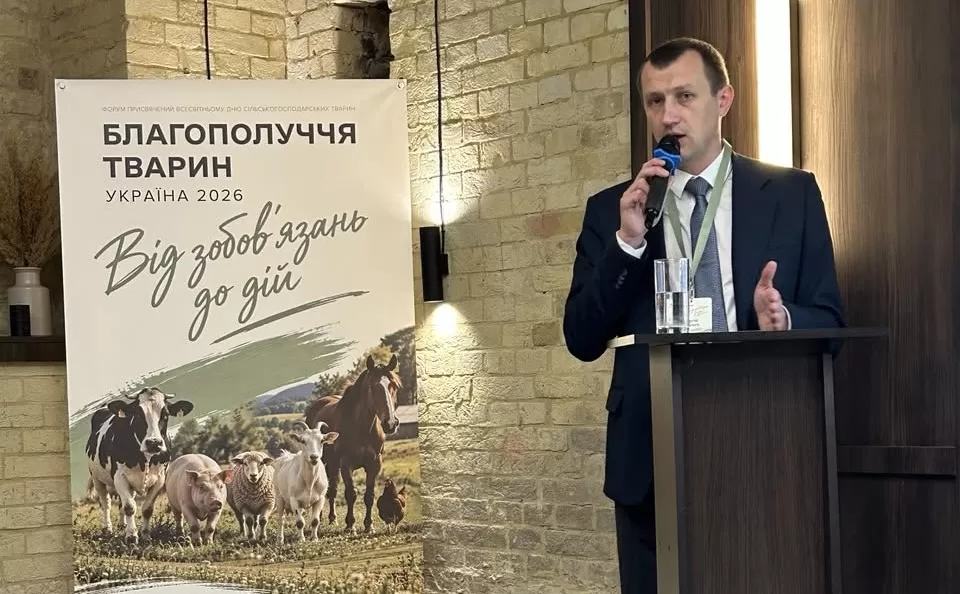
The preparedness of the official control system was one of the cross-cutting issues addressed throughout the Forum. Serhii Tkachuk, Head of the State Service of Ukraine on Food Safety and Consumer Protection (SSUFSCP), noted:“Animal welfare is one of the key areas of work of the SSUFSCP. Our role is not limited to carrying out official controls; it also involves building an effective system that will ensure compliance with animal welfare requirements at every stage – from keeping animals to their transport and killing. Today, we are creating the necessary conditions for this system to function effectively: training specialists, learning from the practical experience of our European partners, improving official controls and introducing digital solutions. Compliance with European approaches in this area also creates new opportunities for Ukrainian businesses, expands export potential and facilitates access to international markets, strengthening Ukraine’s position as a reliable trading partner.”
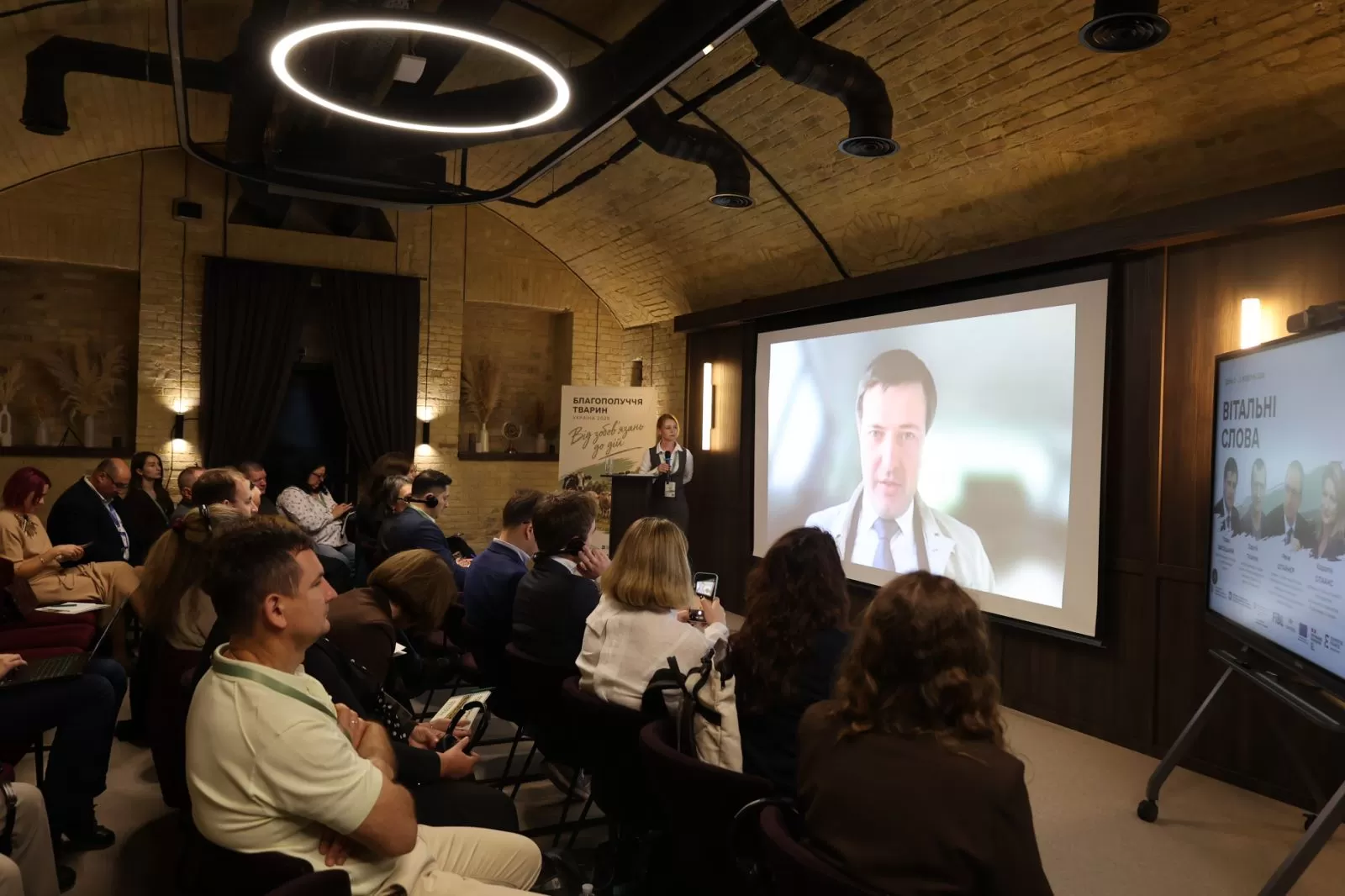
Welcome remarks over the two days of the Forum were also delivered by Denys Bashlyk, First Deputy Minister of Agrarian Policy and Food of Ukraine; Volodymyr Kusturov, Deputy Head of SSUFSCP and Chief Veterinary Officer (CVO) of Ukraine; Dmytro Unhurian, Deputy Director of the Department of Food Safety and Veterinary Medicine of SSUFSCP; Marie-Christine Le Gal, Deputy General Director and CVO at the French Directorate General for Food (DGAL), French Ministry of Agriculture, Agri-food and Food Sovereignty; Jean Lanotte, Agricultural Counsellor, Embassy of France in Ukraine; Rene Steiner, Counsellor for Consumer Protection, Health and Food Safety, Delegation of the European Union to Ukraine; Timo Kober, Coordinator for Ukraine at the Dutch Ministry of Agriculture, Fisheries, Food Security and Nature (LVVN); Poul Jakob Erikstrup, Counsellor for Food, Agriculture and Fisheries at the Embassy of Denmark in Ukraine; and Shahnoza Muminova, Head of FAO Office in Ukraine.
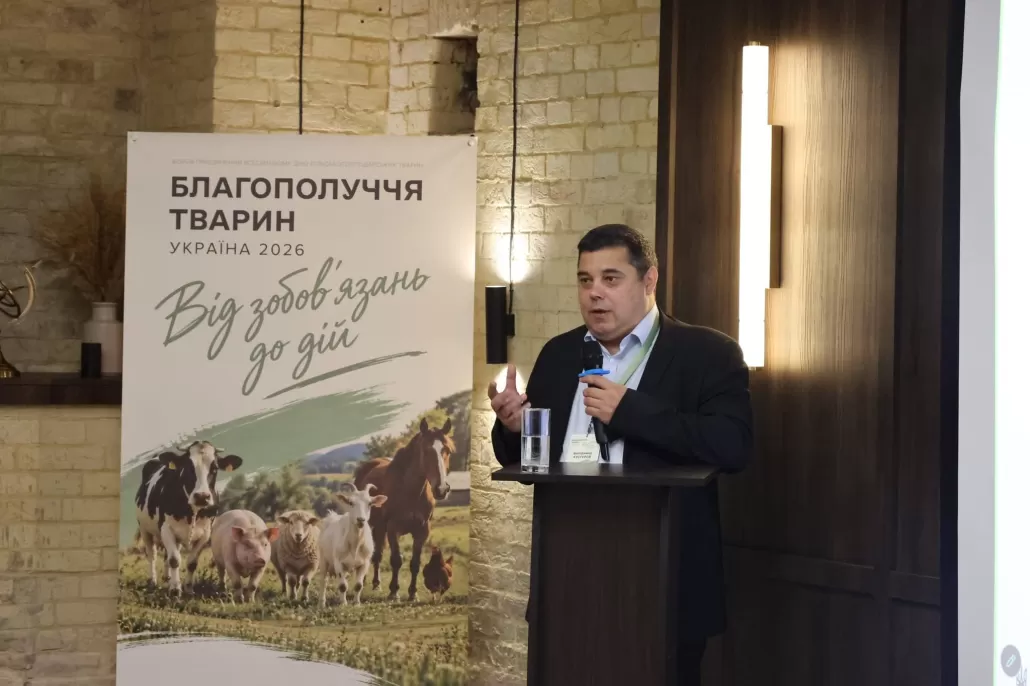
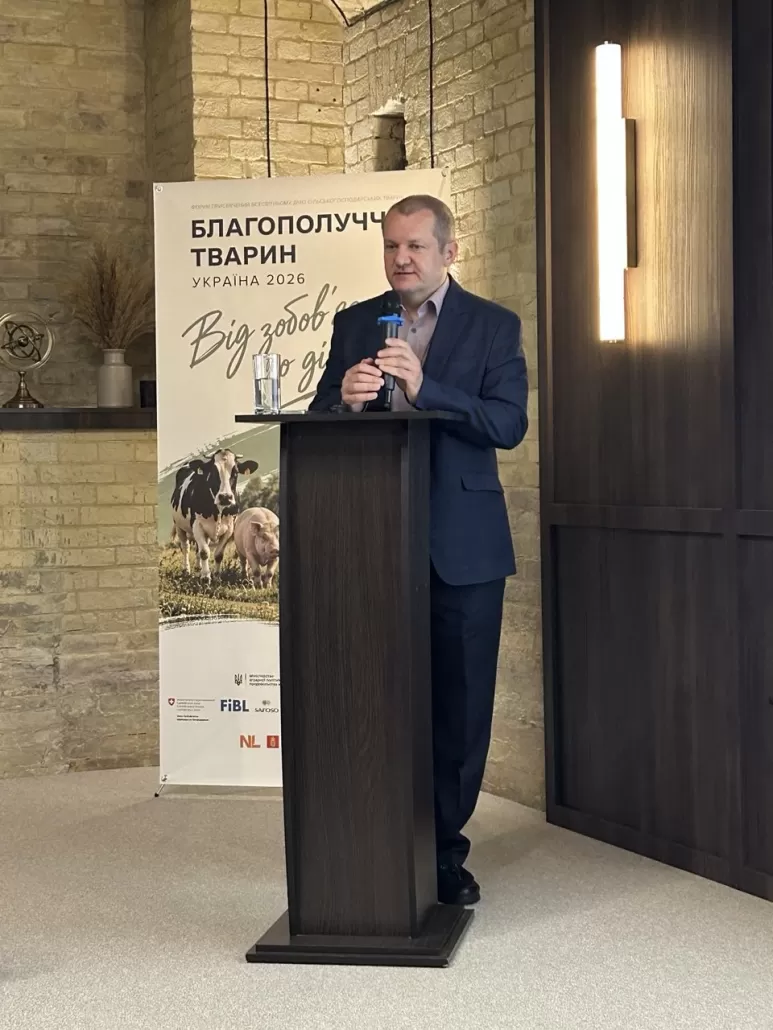
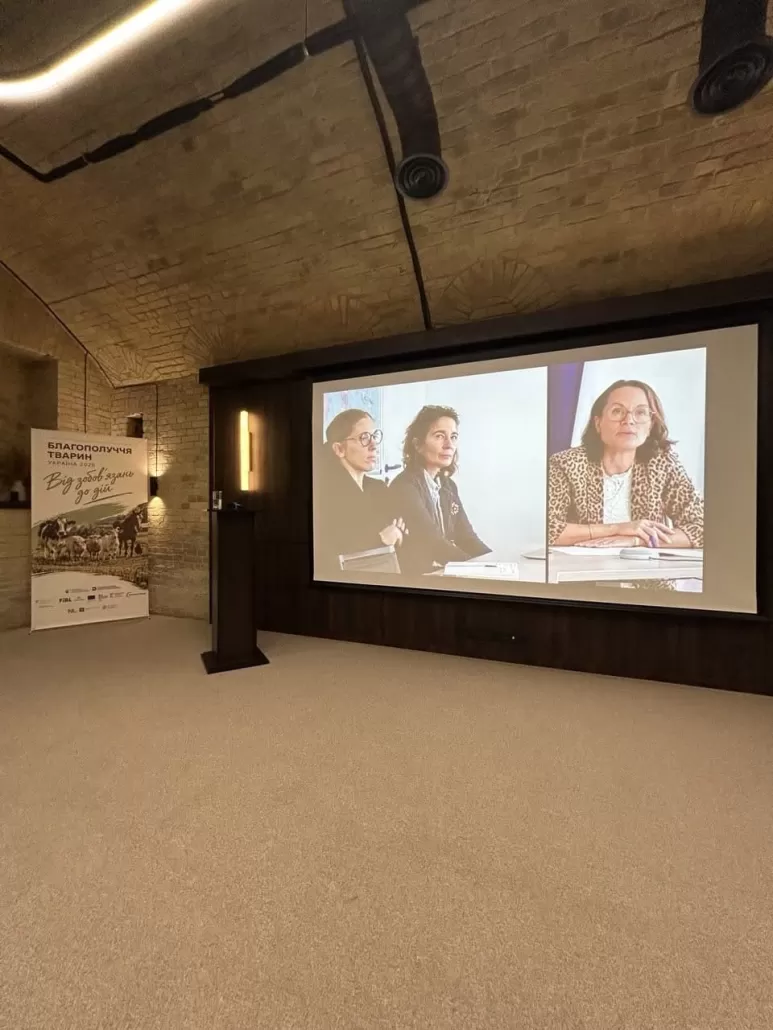
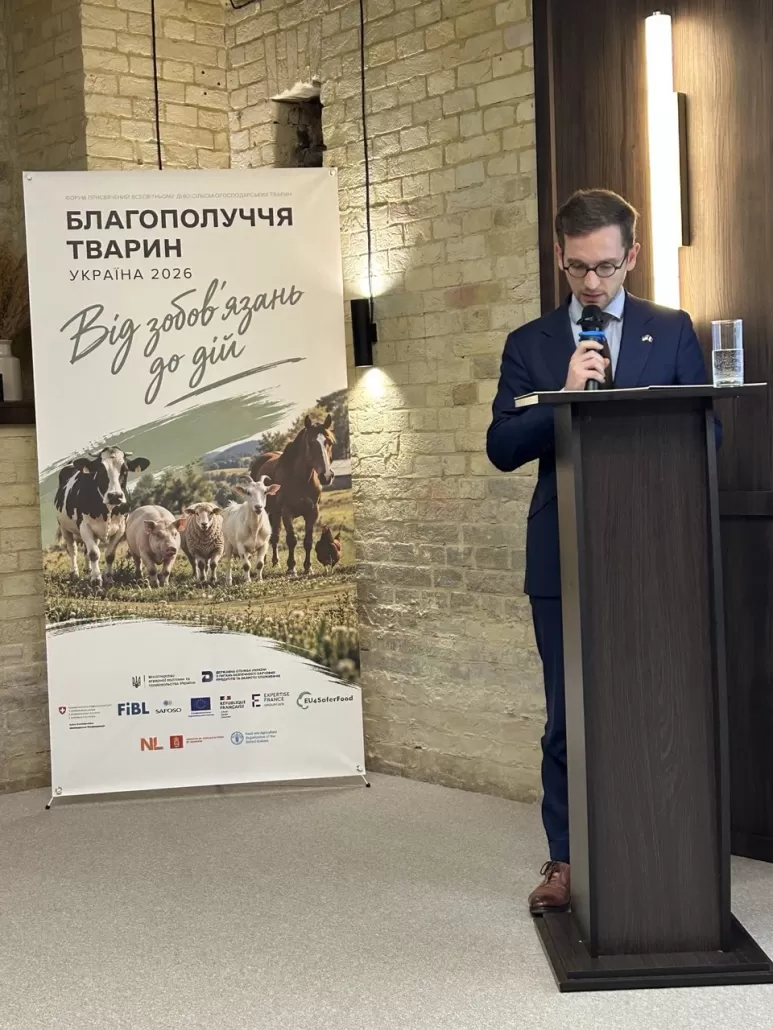
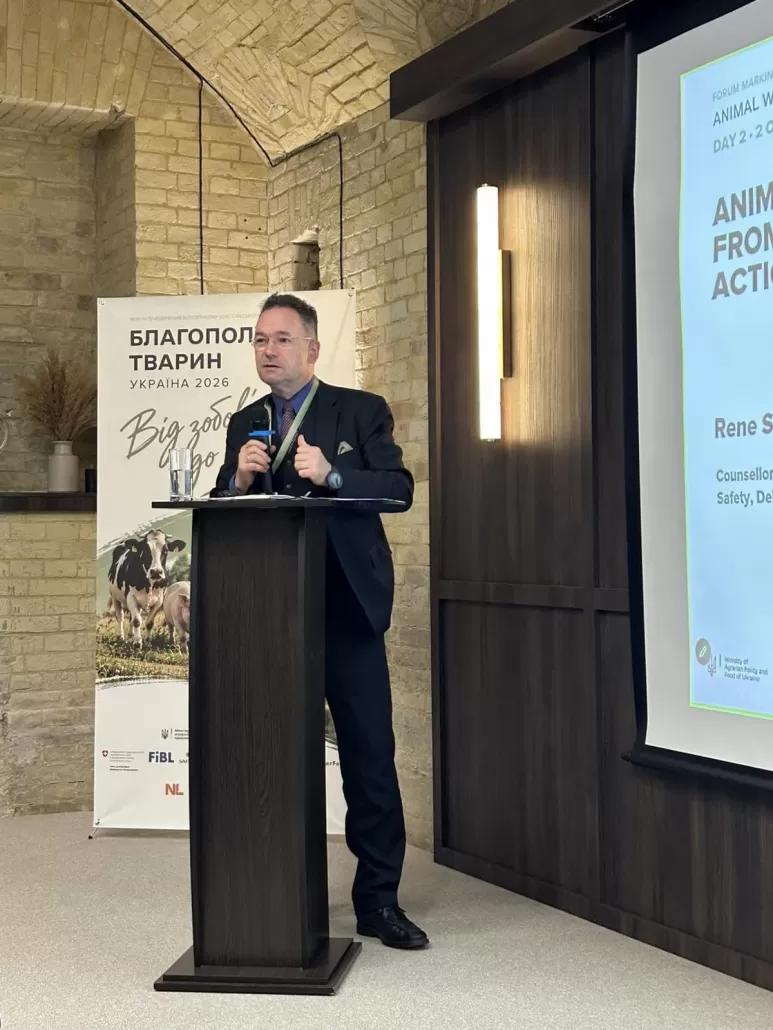
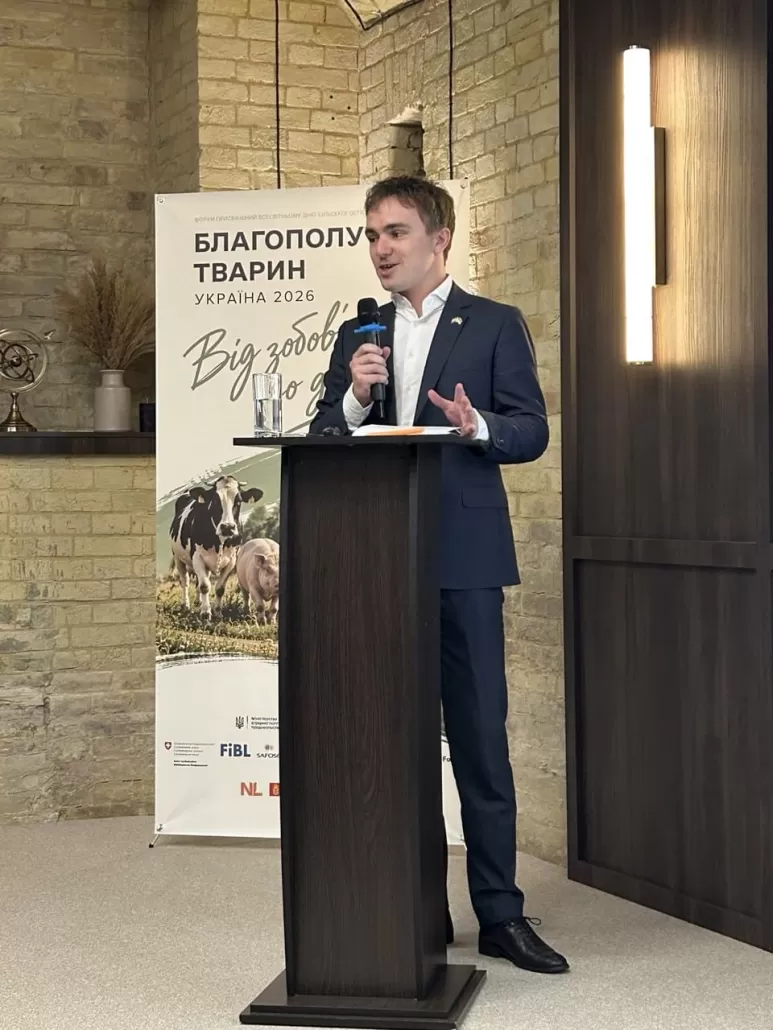
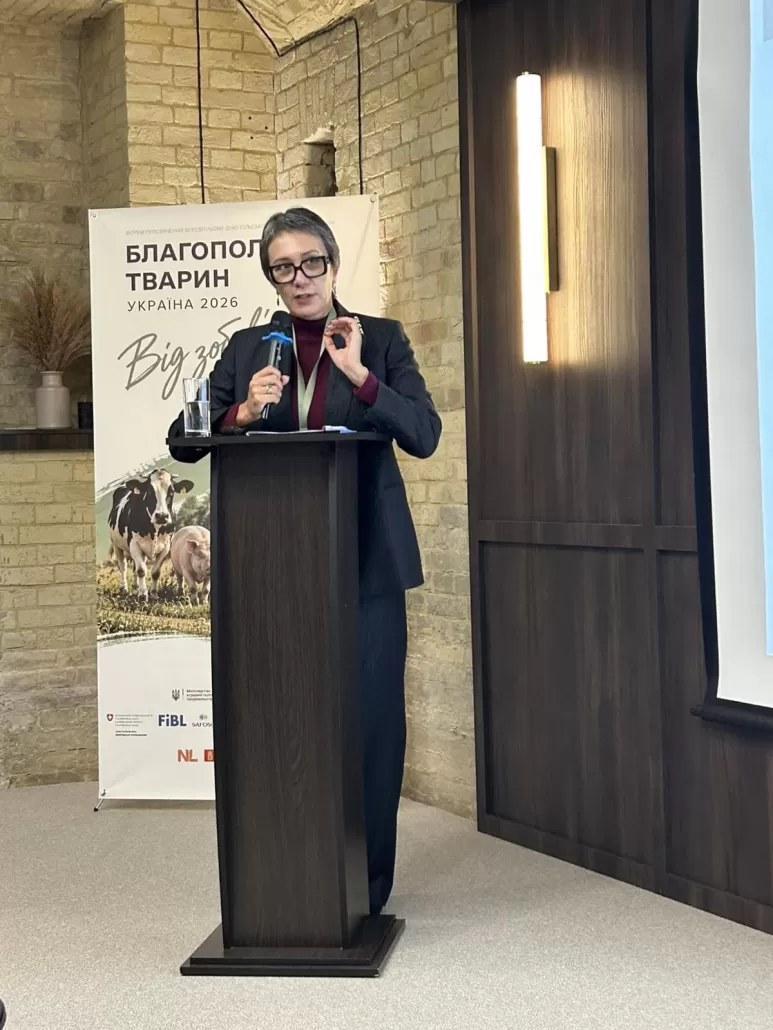
The welcome remarks focused on Ukraine’s key task: moving from legislative harmonisation to practical implementation, drawing on the experience of European partners that have already successfully gone through this process.
French Experience: Combining Policy, Training and Practical Support
The first day of the Forum, 29 September, was dedicated to an exchange of French and Ukrainian experience in practical approaches to implementing animal welfare requirements. The day was facilitated by Jocelyn Merot, International Technical Advisor / Ukraine European Integration, Advisor in the Field of Agriculture and Food, Expertise France.
The session opened with Florence Depersin, National Expert on Farmed Animal Welfare at the DGAL, who presented France’s public policy approach in this area and the organisation of its official veterinary services responsible for ensuring compliance with legislative requirements.
The next topic focused on the training of personnel of French business operators who work directly with animals.
Natacha Sorin, Private Veterinarian and Consultant in e-training, provided a detailed overview of how the official training system operates. This is of particular practical importance for applying requirements during the keeping, transport and killing of animals, as personnel need to understand their legal responsibilities and have the necessary skills.
Scientific and technical support is also important for the effective implementation of animal welfare legislation by business operators. Maxime Quentin, Deputy Director and Scientific Director of the French Technical Institute of Poultry, Fish and Rabbit Production, therefore presented the role of the French agricultural technical institute in supporting the implementation of current and future animal welfare standards.
Together, these presentations demonstrated how France combines public policy, training and technical support to ensure the effective implementation of animal welfare requirements.
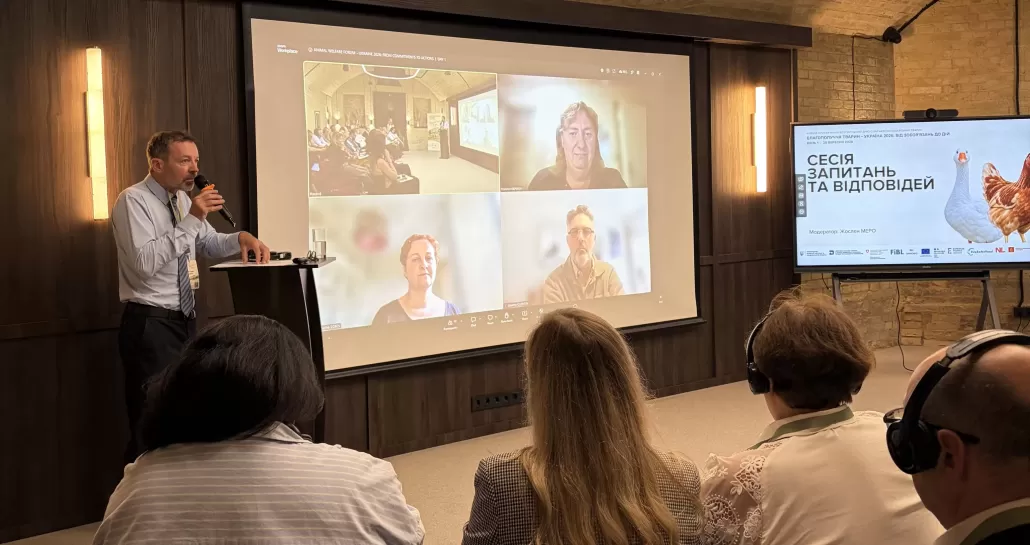
The Forum then shifted its focus from public policy and personnel training to practical solutions at the level of business operators’ facilities.
From Legislative Requirements to Practical Solutions at Establishments
The French company Orvia Group presented its experience in ensuring the welfare of waterfowl. Magalie Lechappe, Farm Manager, and Sabine Breul, Veterinarian and Sanitary Manager at Orvia Group, shared their experience, lessons learned and recommendations on poultry welfare during keeping.
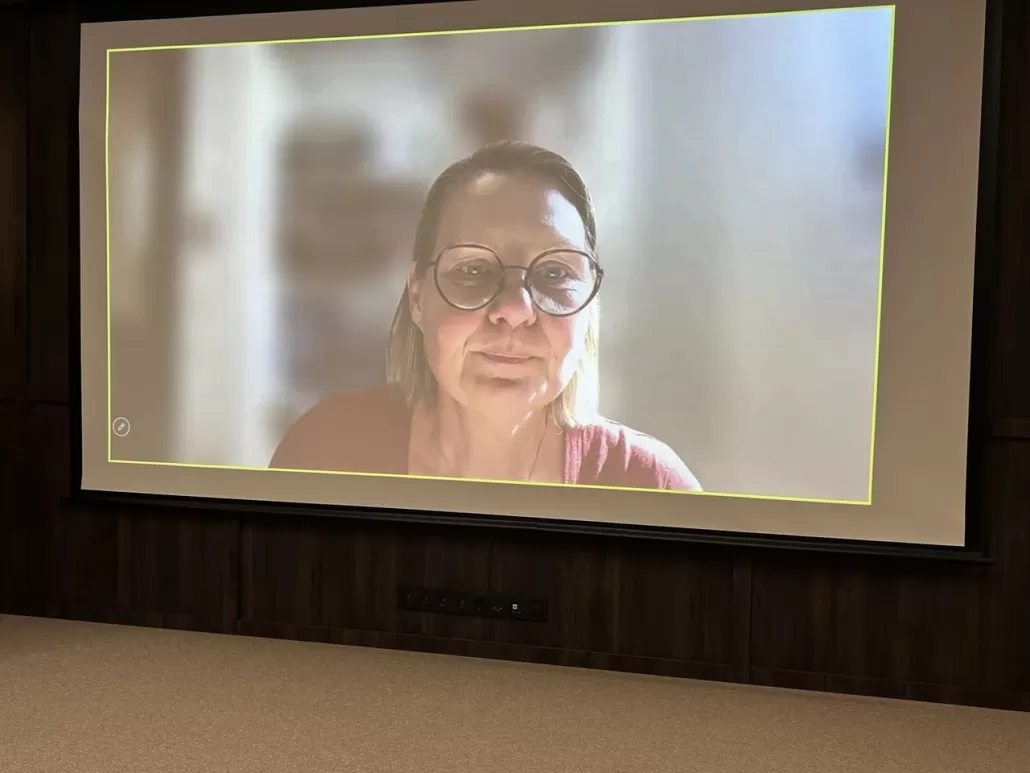
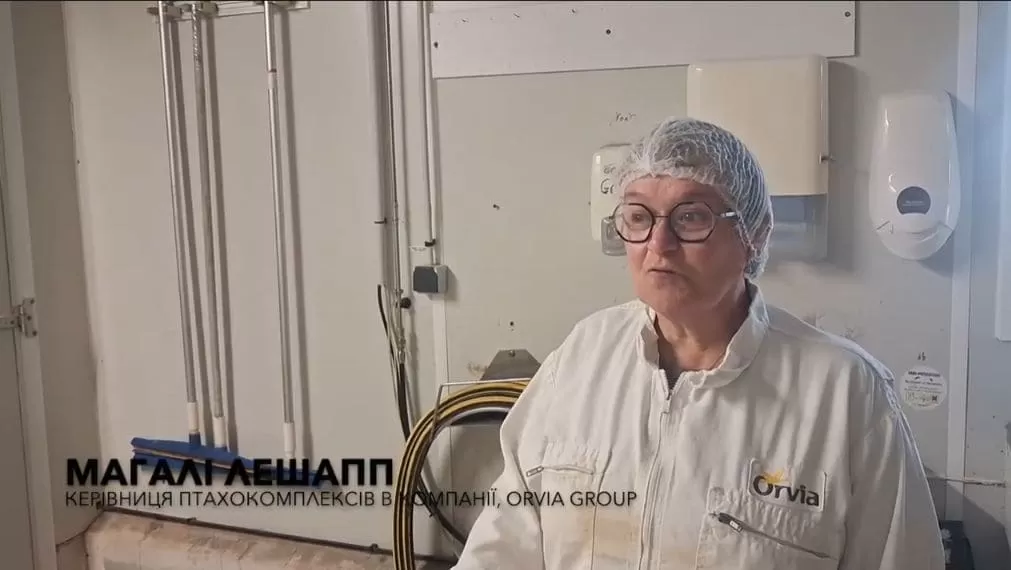
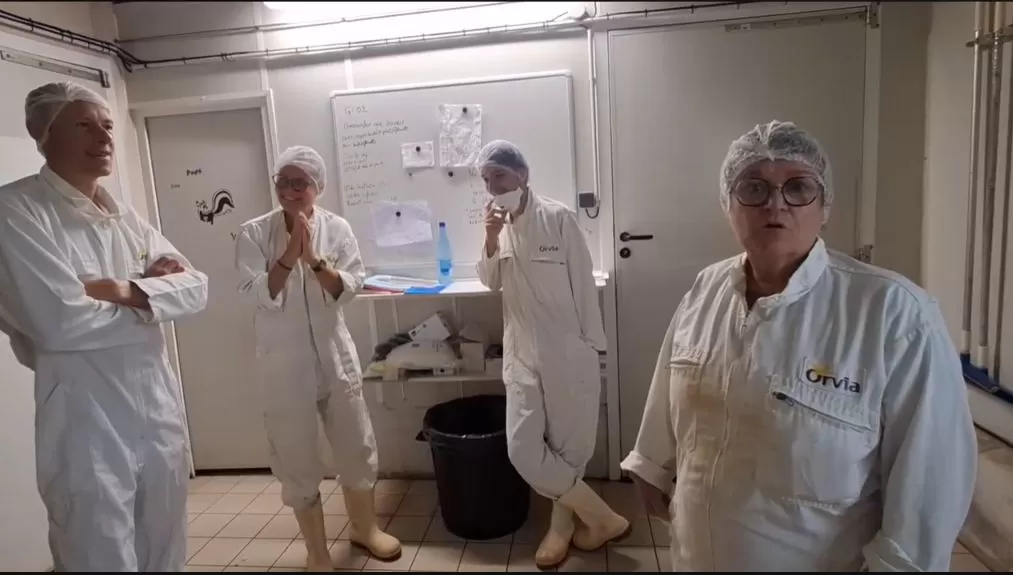
Ukrainian business operators presented their own approaches. Yevhenii Boiko, Director of the Poultry Department and Chief Veterinary Officer at PJSC MHP, and Tetiana Hromyk, Head of the Quality Control Department, presented practical solutions for ensuring broiler welfare and the results of their implementation.
Mykola Dziuban, Head of the Dairy Farming Division at Eridon Group of Companies, presented the company’s experience in integrating dairy cattle welfare requirements into day-to-day operations.
Both presentations demonstrated that ensuring animal welfare can deliver tangible economic value. Implementing the relevant requirements helps business operators comply with their legal obligations while also improving production performance and increasing profitability. Such experience provides businesses with a practical case for change: appropriate conditions and responsible treatment of animals are an investment in business efficiency.
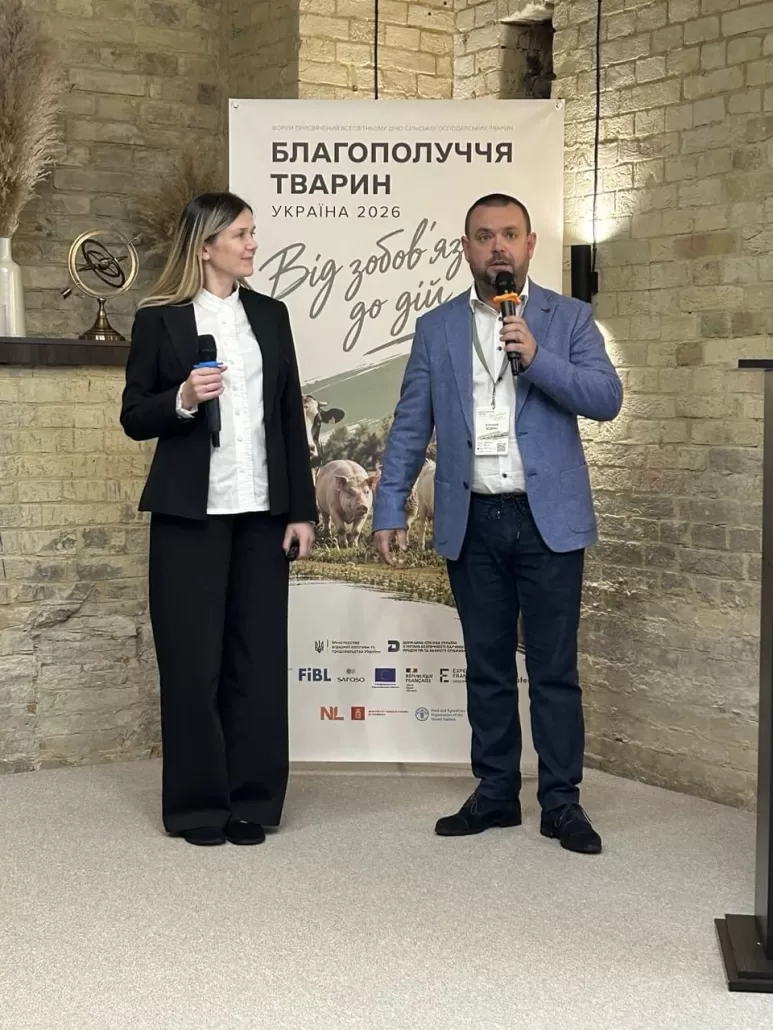
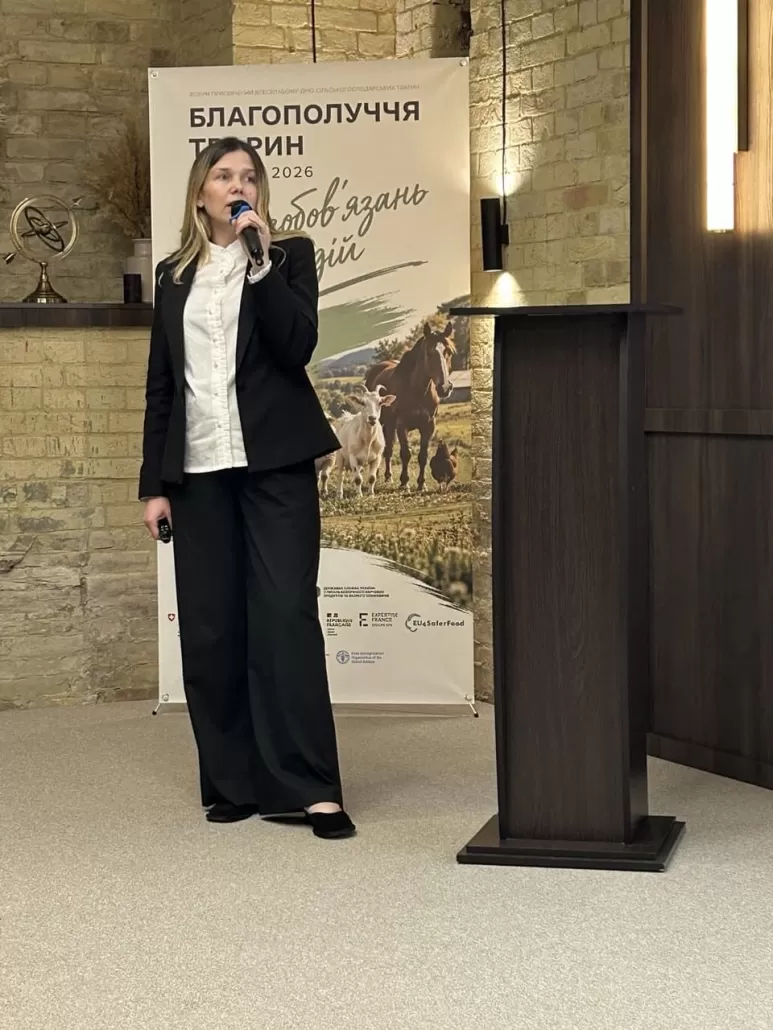
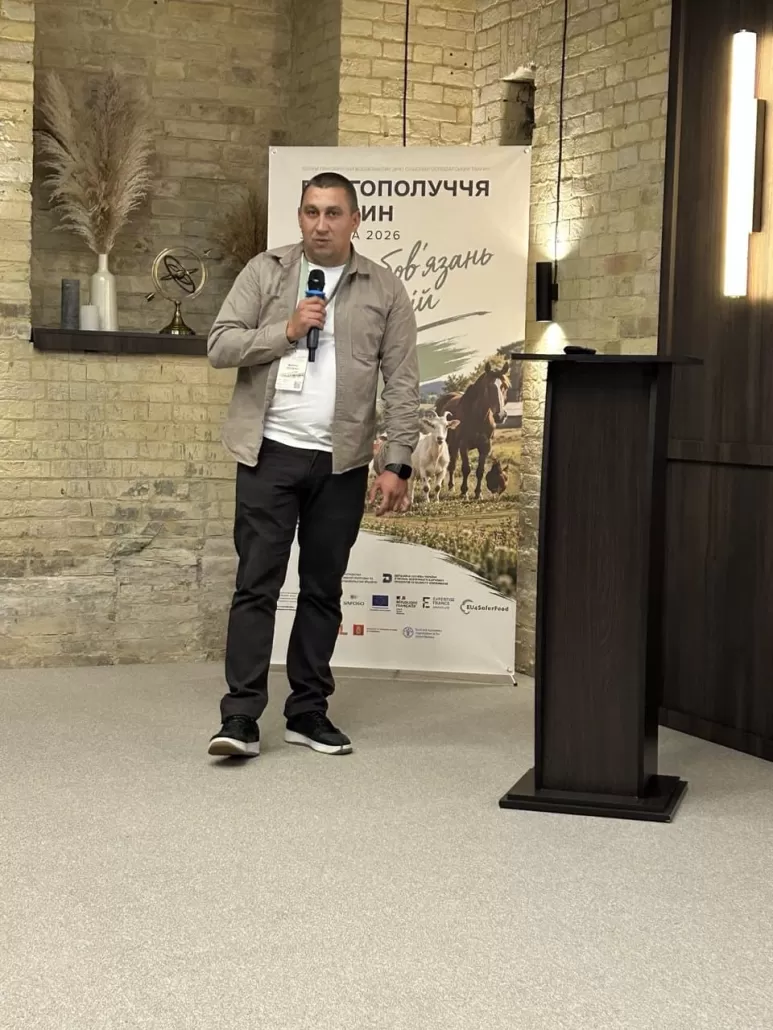
During the Q&A session and experience exchange, participants discussed the costs of implementing animal welfare requirements and practical advice for businesses that are only beginning this process. Business representatives who have already introduced these requirements shared their experience and recommendations that can help other business operators accelerate change and use available resources more effectively.
Animal Welfare Roadmap: From Commitments to Actions
The exchange of experience on the first day provided a basis for a broader discussion on the systematic implementation of requirements in Ukraine. The second day of the Forum, 2 October, therefore focused on progress in implementing the Roadmap for 2025–2027, the preparedness of public authorities and business operators, as well as next steps and support needs.
The objectives and programme of the second day were presented by Manon Schuppers, Co-CEO of SAFOSO AG and International Expert, QFTP. The session was facilitated by Viktoria Lets, Senior Consultant, Dairy Sector Component, QFTP.
The discussion on progress in implementing the Roadmap began with legislation. Oksana Novokhatnia, Head of the Animal Health and Welfare Division, Department of State Policy in the Field of Sanitary and Phytosanitary Measures and Food Security, Ministry of Economy, presented the current status of harmonisation of animal welfare legislation with EU requirements, progress achieved and next steps.
From the regulatory framework, participants moved on to the preparedness of the official control system. Mariia Barbara, Deputy Head of the Animal Health and Welfare Division, SSUFSCP, presented progress in preparing procedures and tools, training specialists and ensuring the practical readiness of the competent authority to carry out official controls on compliance with animal welfare legislation.
A separate presentation by Mariia Barbara focused on information campaigns: materials developed, audience reach and further communication steps. The discussion addressed how legislative requirements can be explained in accessible language to help business operators and their personnel apply them in practice.
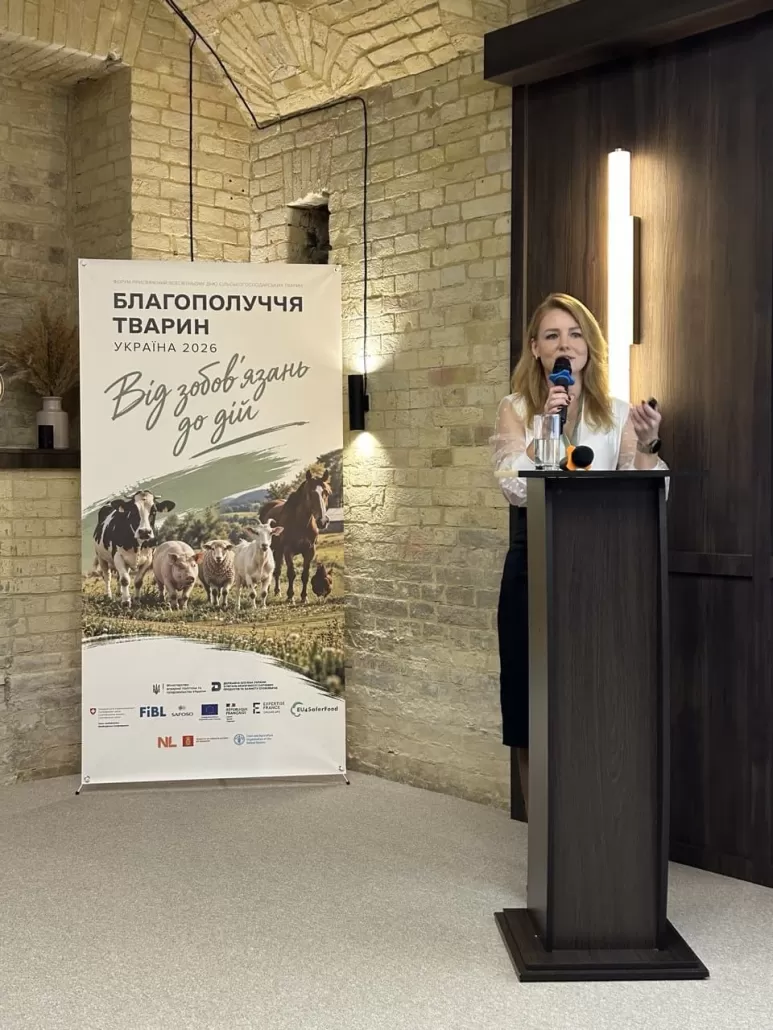
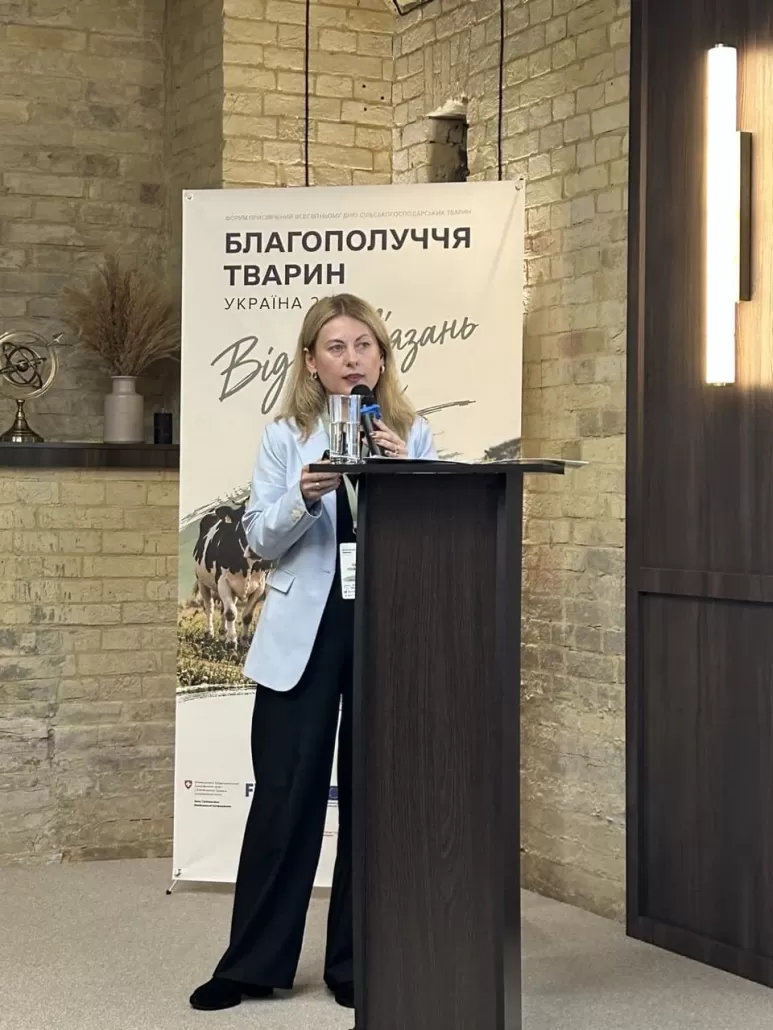
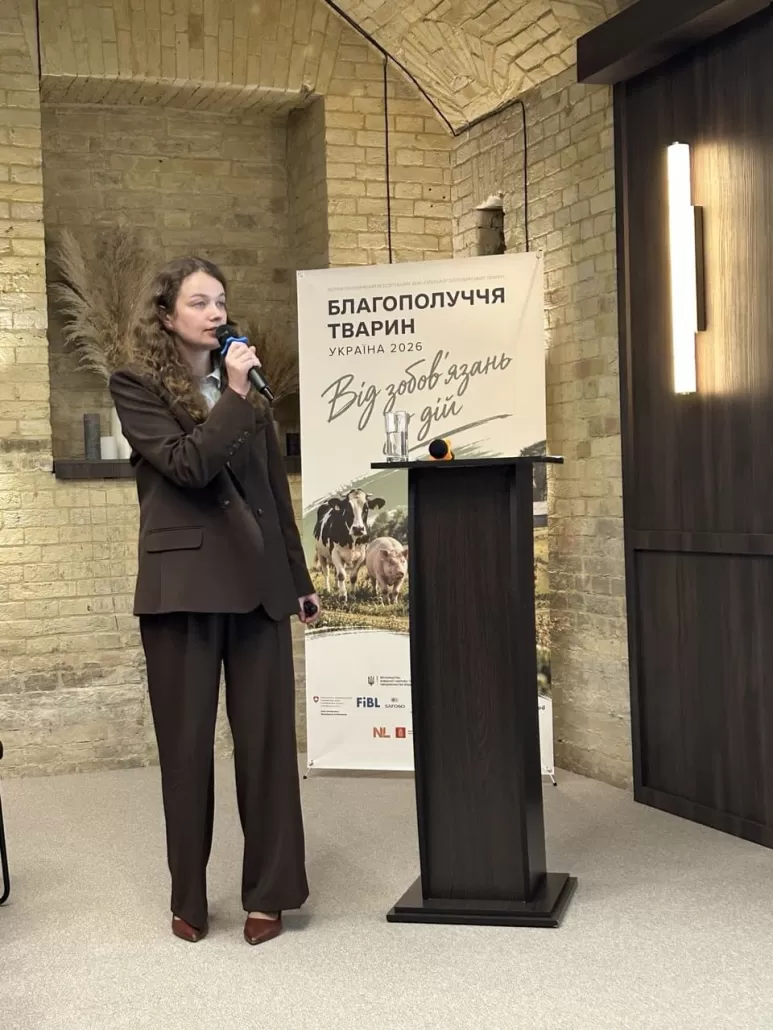
Animal welfare requirements concern different types of activities and production conditions. Professional associations and advisory organisations that work directly with business operators therefore play an important role in their implementation.
The dairy sector was represented in this discussion by Hanna Lavreniuk, General Director of the Association of Milk Producers, and Oleksandr Bereziuk, Head of the Advisory Team of the “Family Dairy Farms” project. Their presentations covered the contribution of the association and advisory support to preparing dairy producers for the implementation of the requirements.
Natalia Yakymenko, Deputy Chair of the Public Union “Sheep and Goat Breeding of Ukraine”, presented the organisation’s work to prepare business operators in the sheep and goat sector.
Oksana Yurchenko, President of the Association of Pig Producers of Ukraine and International Expert on Biosecurity and Animal Welfare at FAO, highlighted the association’s contribution to preparing the pig sector for the implementation of the requirements.
Experience from the poultry sector was presented by Serhii Karpenko, Executive Director of the Association “Union of Poultry Breeders of Ukraine”, who focused on the professional association’s role in preparing business operators.
Ihor Tiutiushkin, Vice-President of the Association “Meat of Ukraine”, presented the association’s work to support slaughter facilities in implementing animal welfare standards. His presentation complemented the discussion on animal keeping by addressing animal welfare during slaughter.
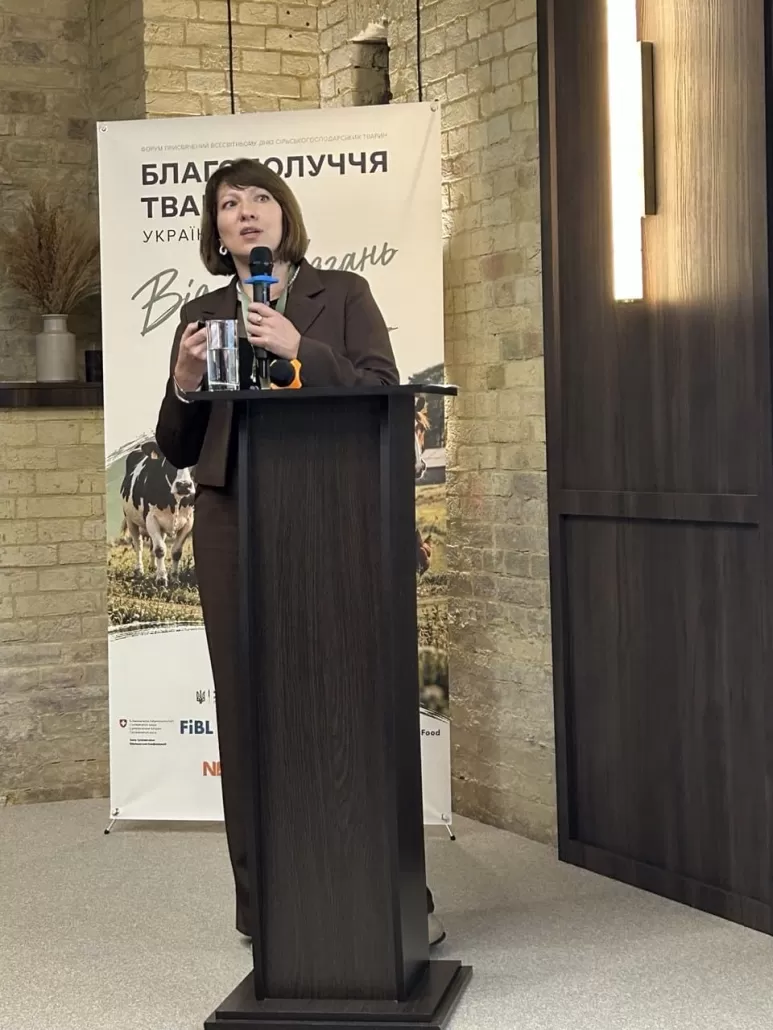
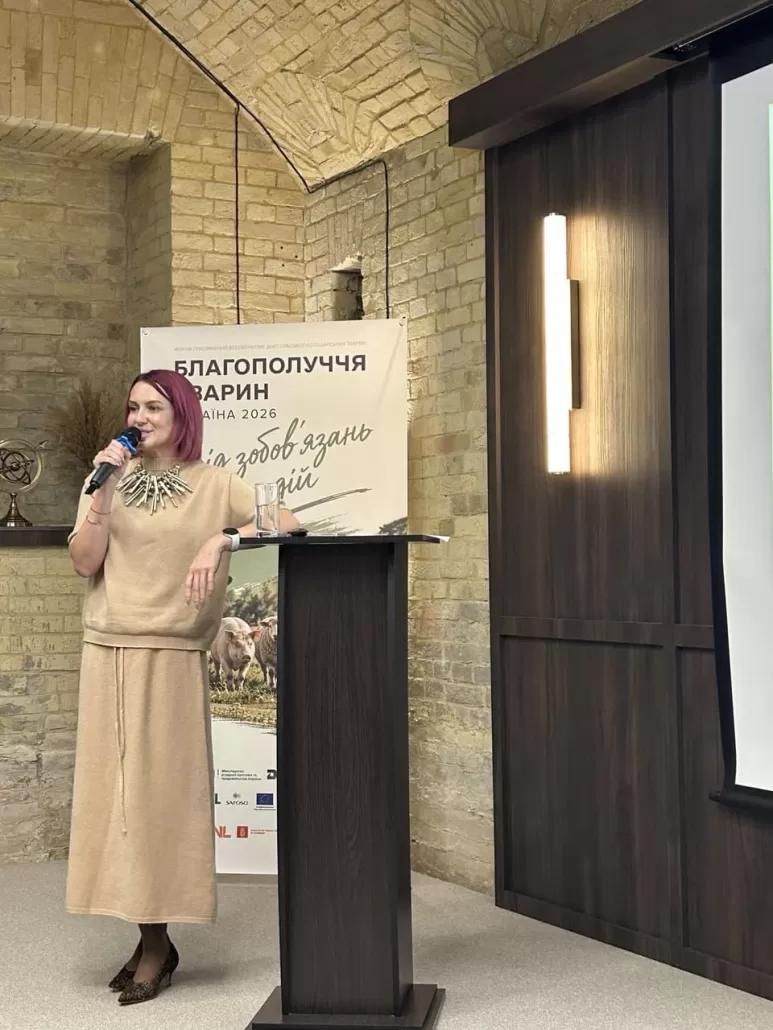
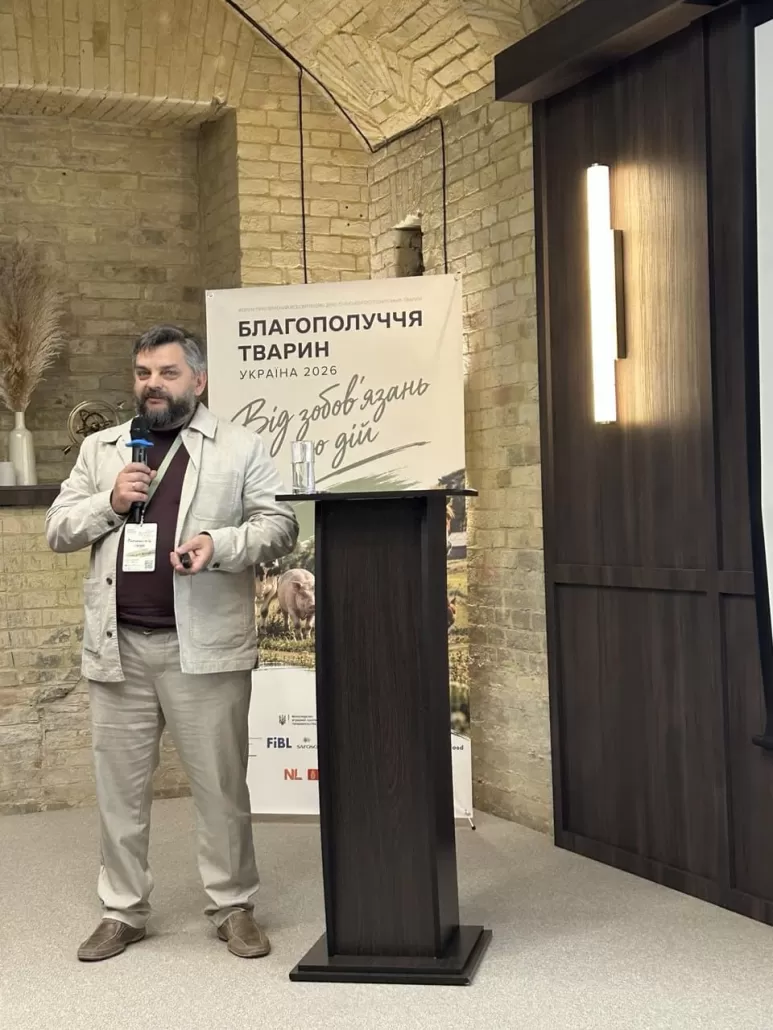
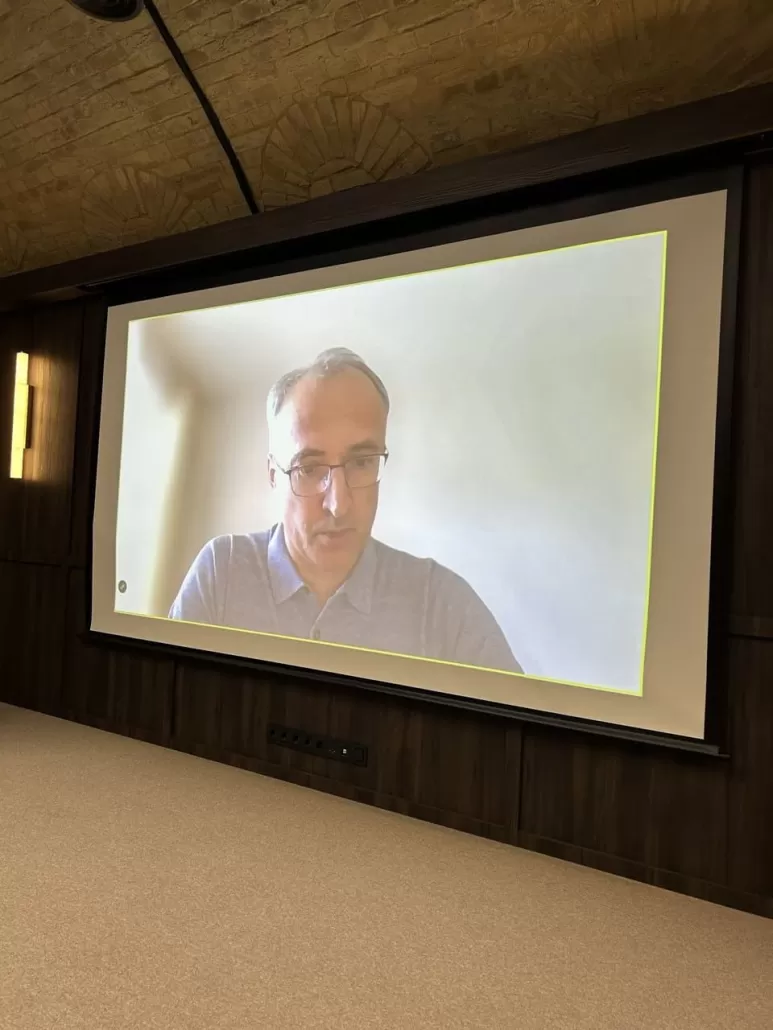
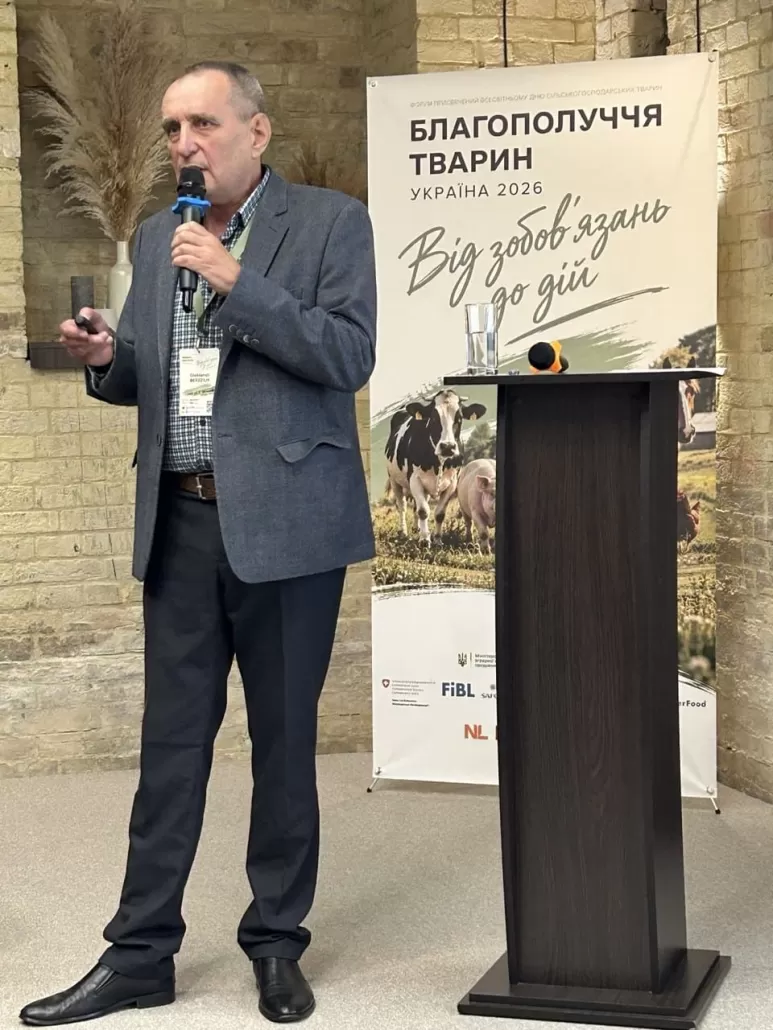
The sector-specific presentations made it possible to examine implementation through the needs of different categories of business operators, as preparations for change need to take into account the specific characteristics of their activities.
Panel Discussion: From Planning to Sustainable Implementation
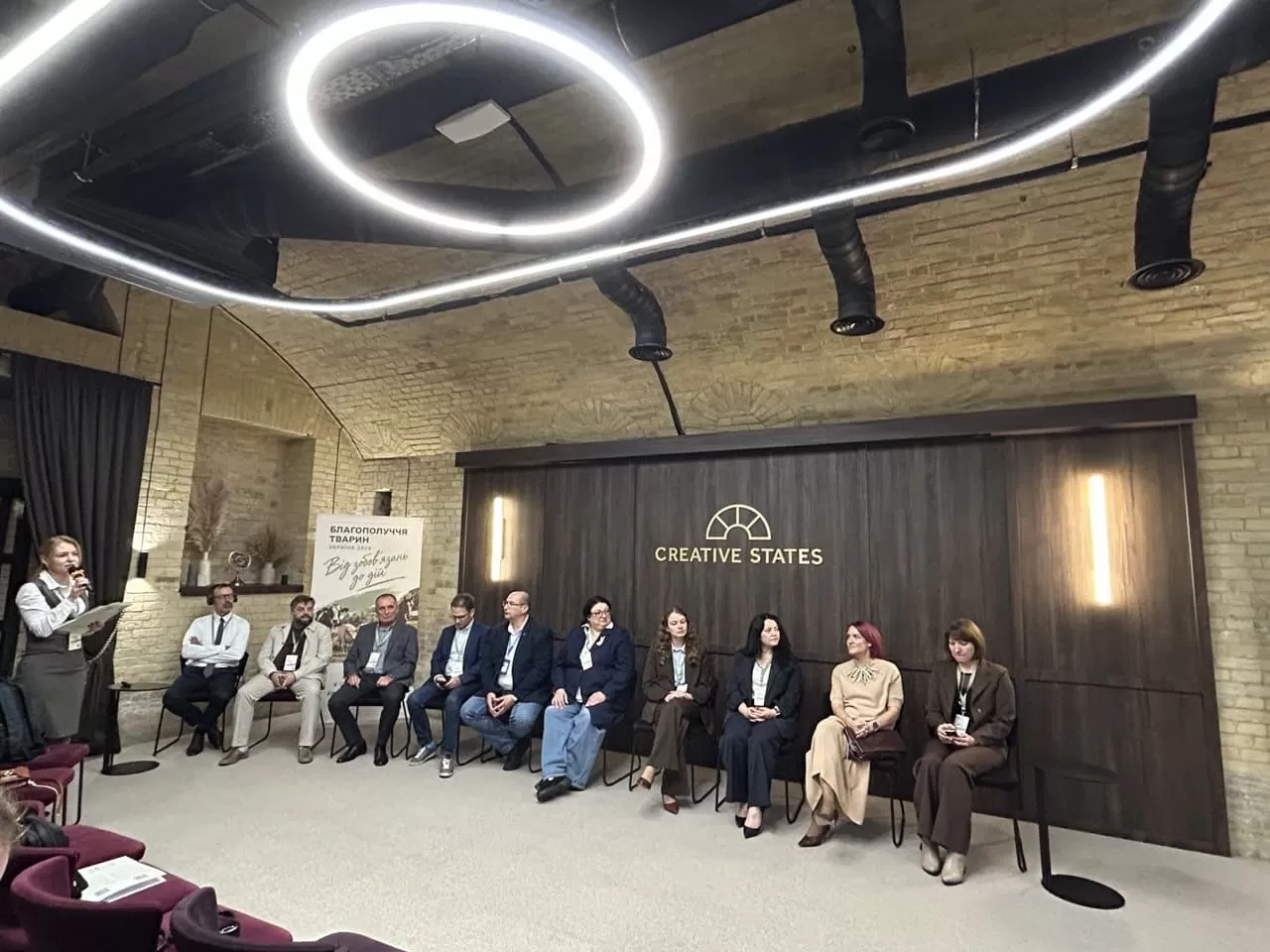
The panel discussion, “From Planning to Sustainable Implementation: Progress, Challenges, Needs, Priorities and Opportunities for Further Coordinated Cooperation,” brought together European experience and Ukraine’s practical tasks: completing legislative harmonisation, developing the official control system, and preparing business operators to comply with the requirements.
The discussion was opened by Andrea Gavinelli, Head of the Animal Welfare Unit, DG SANTE, European Commission. He highlighted the drivers behind the implementation of EU animal welfare standards, including consumer demand for appropriate treatment of animals throughout their lives. For Ukraine, raising public awareness and encouraging demand for products produced in compliance with animal welfare standards is also an important area of work. He also reflected on Ukraine’s approach to implementing the requirements through a coordinated Roadmap and the significant progress achieved in this area.
The example of Denmark, presented by Anja Putzer, Special Adviser on Animal Welfare, Ministry of Nature and Animal Welfare of Denmark, demonstrated the attention EU Member States give to this area at the level of public policy and institutional responsibility.
Representatives of public authorities and all the sectoral organisations involved discussed the challenges and priorities for further work. The authority responsible for shaping and implementing public policy on animal welfare was represented by Nataliia Shchyrova, Acting Director of the Department of State Policy in the Field of Sanitary and Phytosanitary Measures and Food Security. The competent authority responsible for implementing this policy was represented by Mariia Barbara, Deputy Head of the Animal Health and Welfare Division, SSUFSCP. The discussion focused on fully aligning legislation with EU requirements, ensuring effective official controls, and providing further support to business operators in the practical application of the requirements.
International development partners confirmed their readiness to continue supporting Ukraine in fulfilling its European integration commitments on animal welfare. The discussion included Dmytro Kyryliuk from the Embassy of the Kingdom of the Netherlands in Ukraine, Manon Schuppers from QFTP, Jocelyn Merot from Expertise France, Vidmantas Paulauskas from EU4SaferFood, and Vitalii Bashynskyi from FAO. The discussion of priorities was complemented by consideration of opportunities for further support for their implementation.
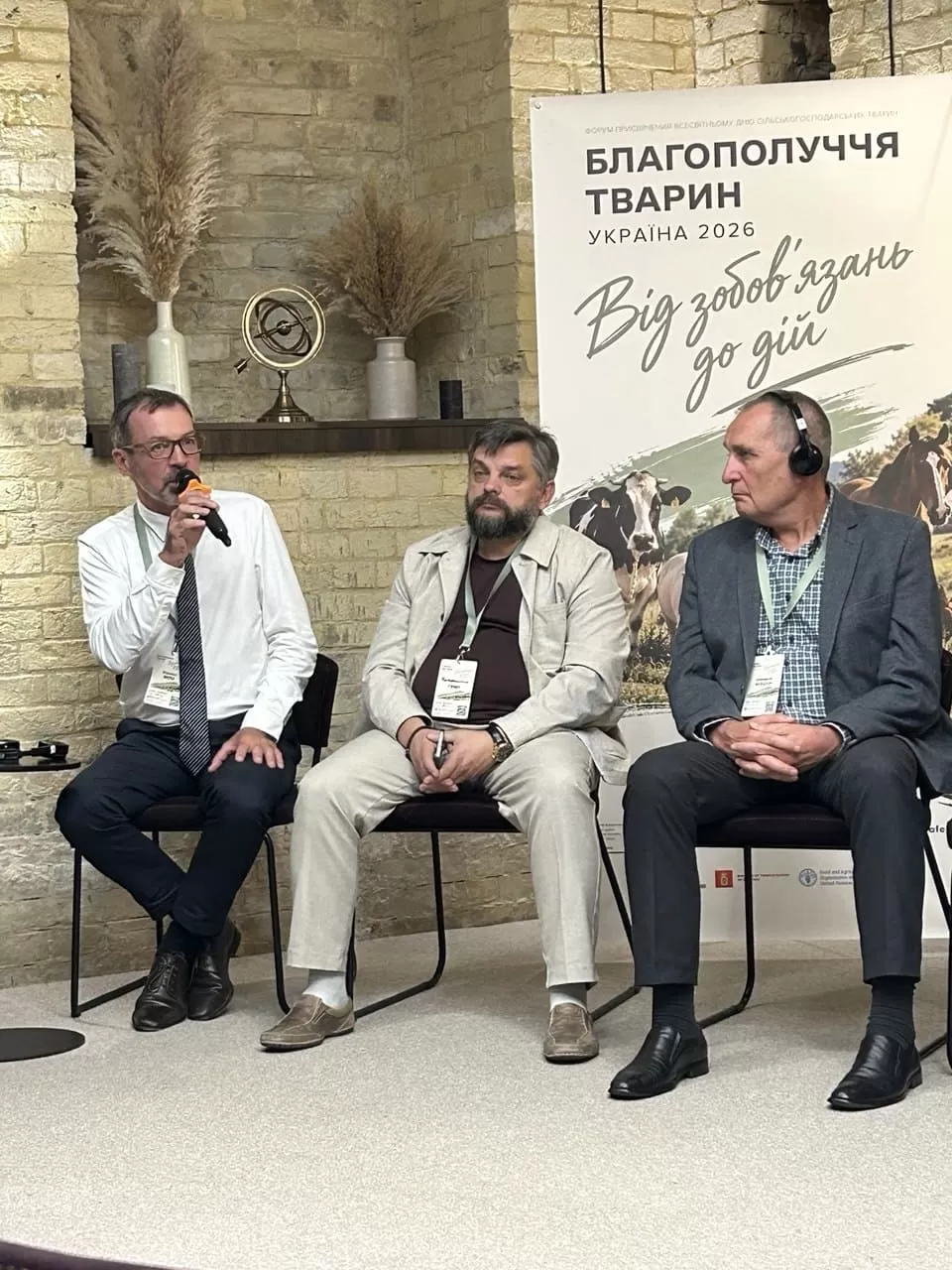
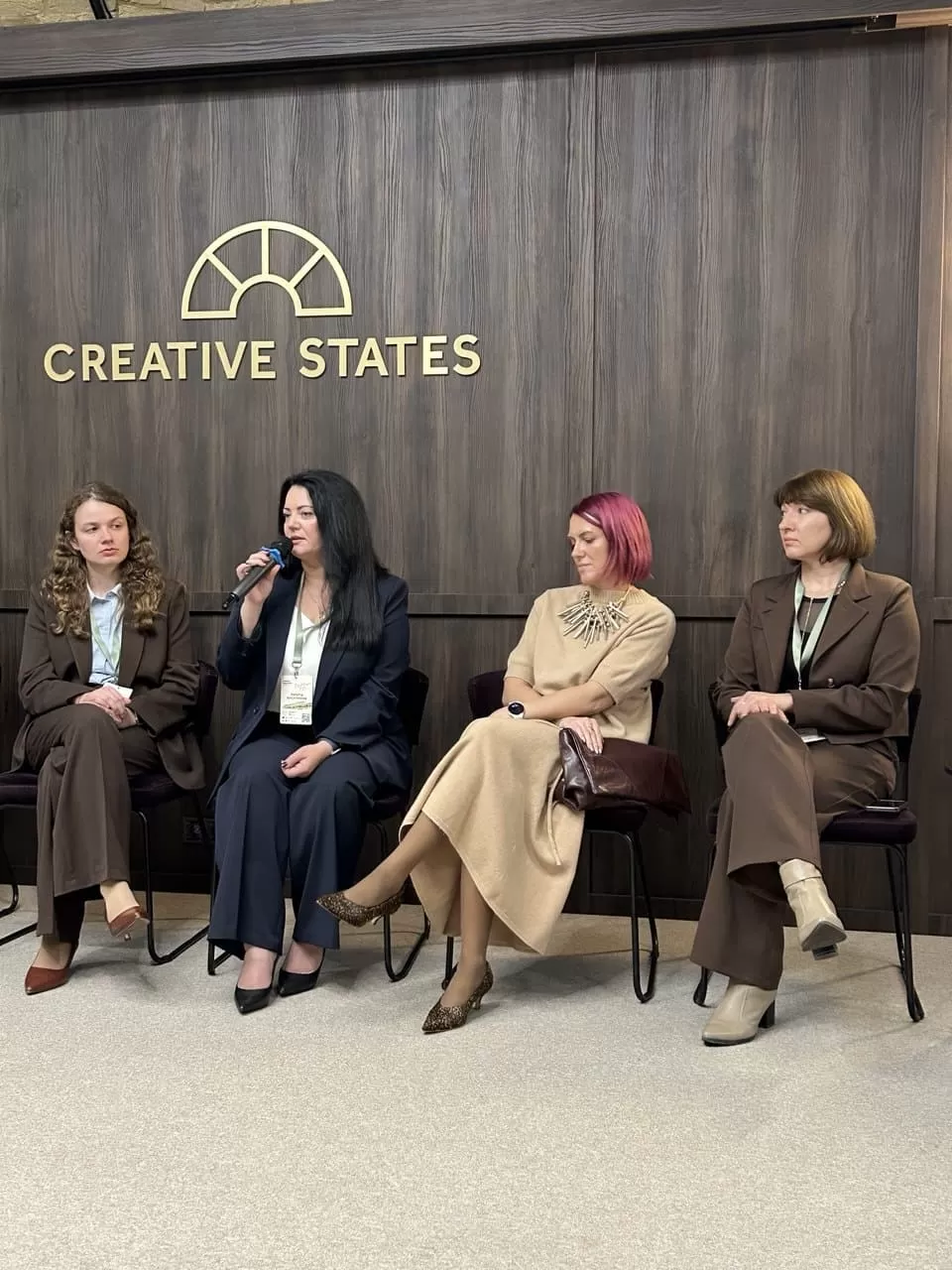
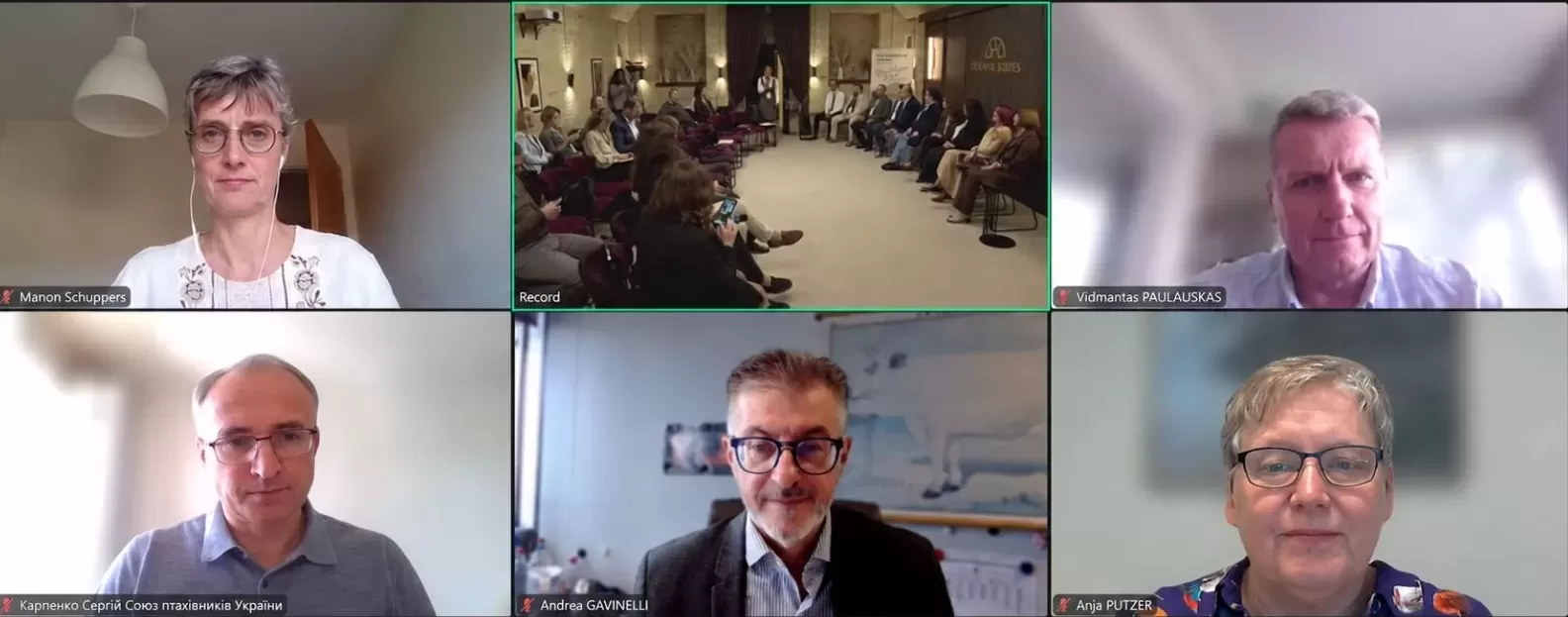
In particular, Manon Schuppers emphasised:“Compliance with animal welfare standards in Ukraine is not only a prerequisite for EU integration. These standards will also improve animal health and increase productivity throughout the production chain. QFTP will continue to support sector representatives in implementing animal welfare standards in line with EU requirements.”
Conclusions and Next Steps
In concluding the Forum Nataliia Shchyrova and Mariia Barbara highlighted the need to maintain the pace of implementation of the Roadmap and continue coordinated efforts to ensure the full and timely fulfilment of Ukraine’s European integration commitments.
They also stressed the importance of holding such forums annually, as they are becoming a platform for open professional dialogue, dissemination of effective practical solutions, assessment of joint progress, and identification of next steps.
The representatives of the Ministry of Economy and SSUFSCP thanked all participants and partners for the contribution of the wide range of organisations that joined forces to implement animal welfare requirements in Ukraine.
Forum Materials
Video recordings of both days and Forum materials are available via the links below:
For Reference
This event is organised under the patronage of the Ministry of Agrarian Policy and Food of Ukraine and in cooperation with the State Service of Ukraine on Food Safety and Consumer Protection
with the support of:
- Switzerland within the framework of the Swiss-Ukrainian Programme “Higher Value-Added Trade from the Organic and Dairy Sector in Ukraine” (QFTP), implemented by the Research Institute of Organic Agriculture (FiBL, Switzerland) in partnership with SAFOSO AG (Switzerland);
- France within the project of deployment of high level seconded experts to Ukraine financed by French Ministry for Europe and Foreign Affairs and implemented by Expertise France and with the participation of experts from the French Ministry of Agriculture, Agri-food and Food Sovereignty;
- European Union within the project “Improvement of Legislation, Control and Awareness in Food Safety, Animal Health and Welfare, and Phytosanitary in Ukraine” (EU4SaferFood);
in partnership with:
- Delegation of the European Union to Ukraine;
- Embassy of the Kingdom of the Netherlands in Ukraine;
- Embassy of Denmark in Ukraine;
- Food and Agriculture Organization of the United Nations (FAO).