Switzerland continues to support small and medium-sized cheese producers’ access to international expertise, modern technologies and best European practices.
With the support of the Swiss-Ukrainian Programme “Higher Value Added Trade from the Organic and Dairy Sector in Ukraine” (QFTP), the ProCheese Academy, part of the Ardis Group, held its first professional training course on the production of blue-mould cheeses, led by international expert Paul Thomas.
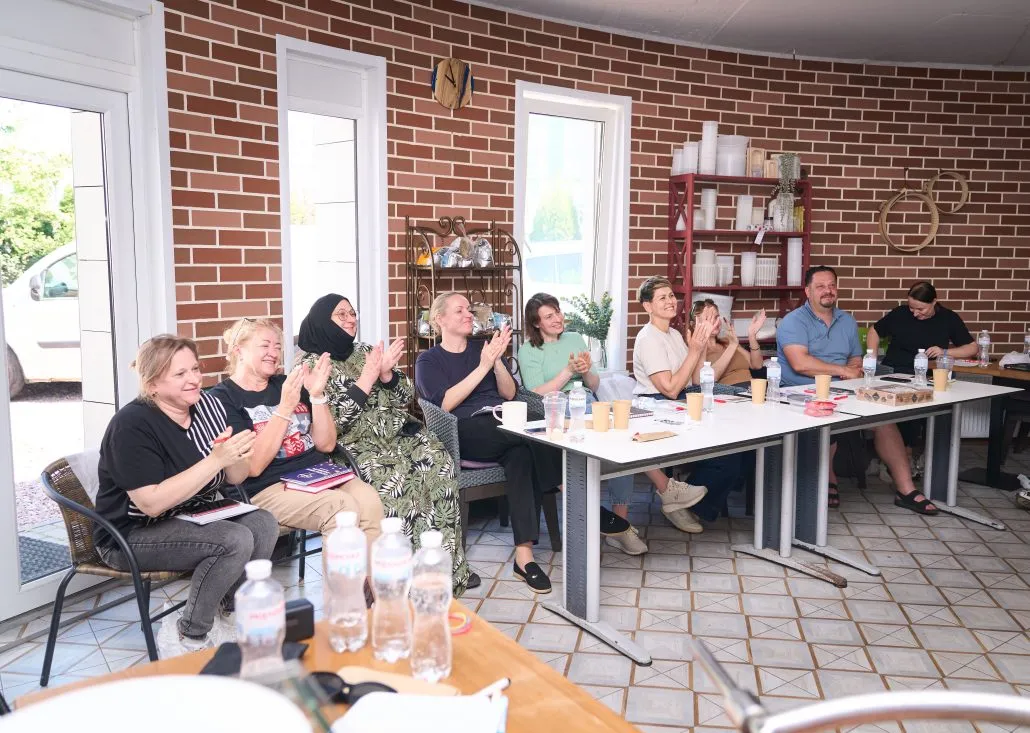
The two-day intensive course took place on 5–6 May in the Kyiv region at the Cheese Way cheese dairy, in partnership with the Guild of Artisan Cheesemakers of Ukraine.
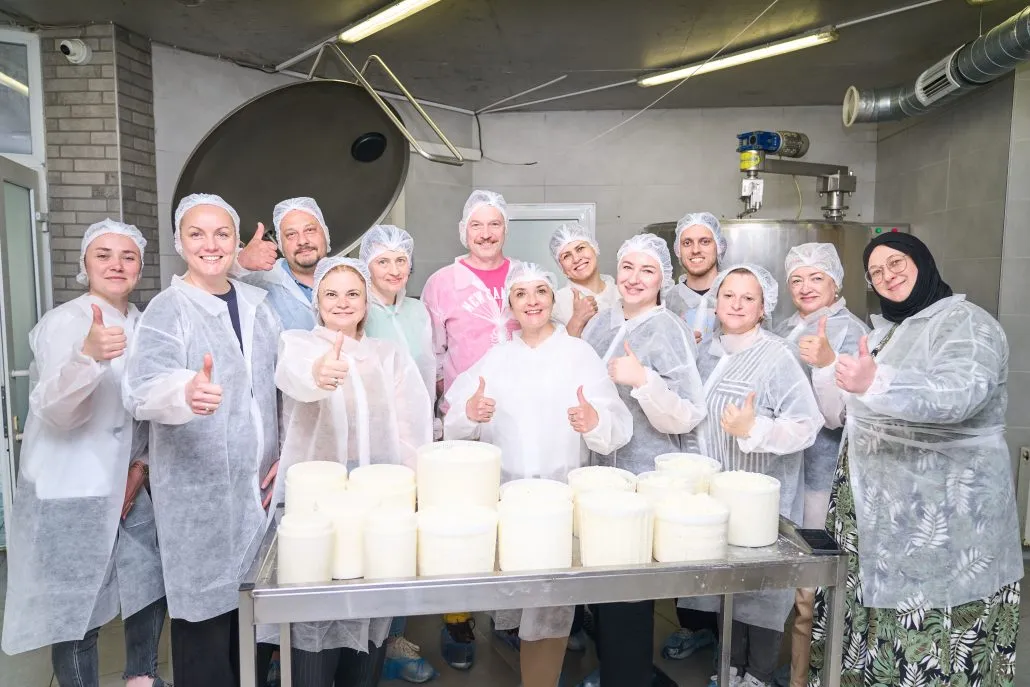
Ten cheesemakers, technologists and production owners from various regions of Ukraine were selected to take part; they already have experience working with blue-mould cheeses and are keen to hone their skills.
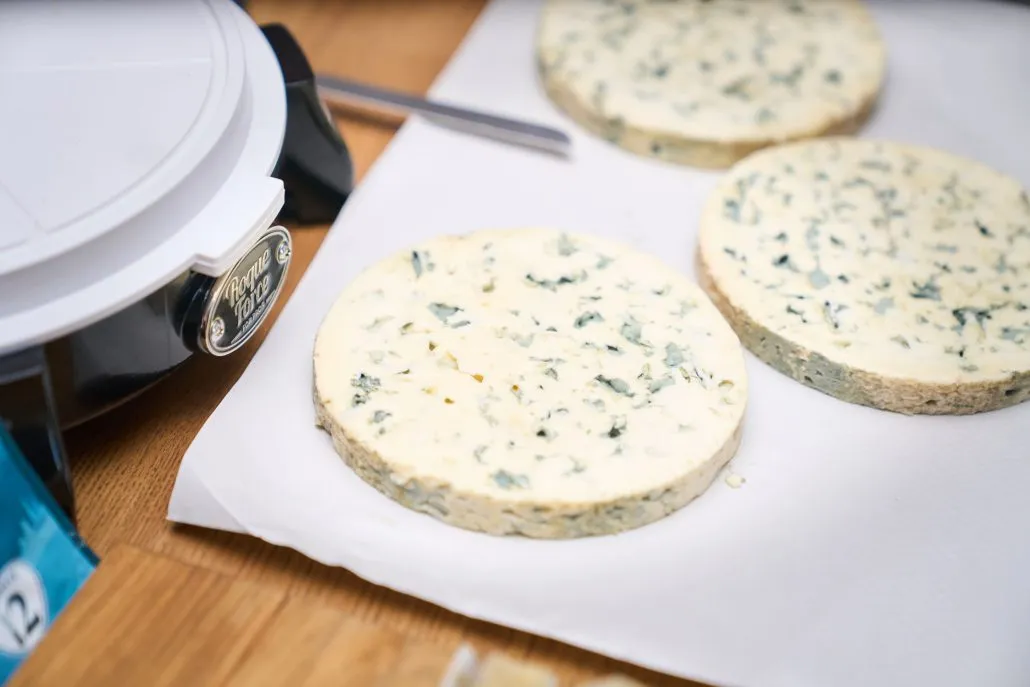
The development of blue cheese production is an important milestone for Ukrainian artisanal cheese-making. Such products have high added value and are in demand among consumers. At the same time, blue cheese production is also one of the most technologically complex areas of cheesemaking, requiring a deep understanding of microbiological processes, as well as control over ripening, moisture content, acidity and other critical production parameters.
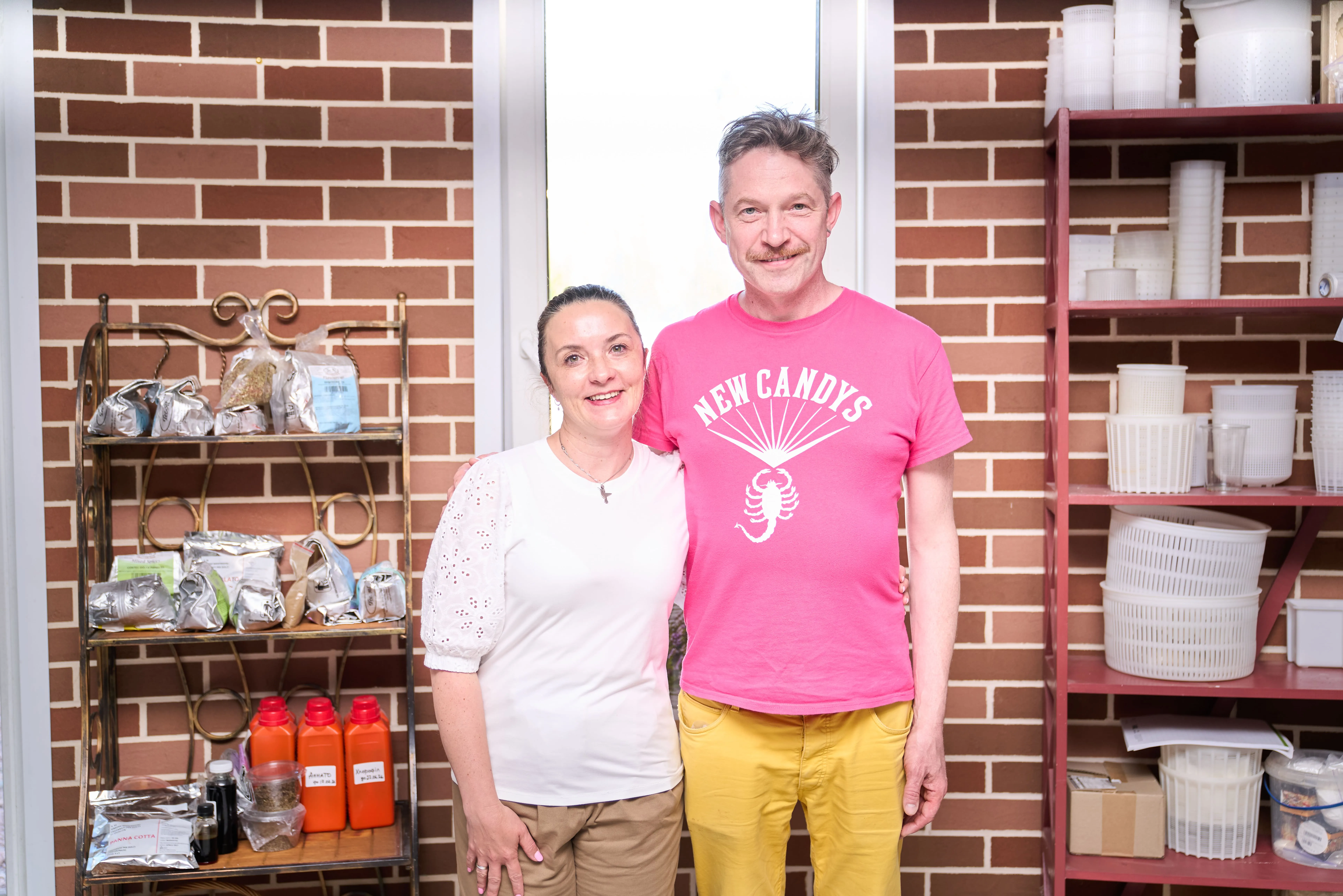
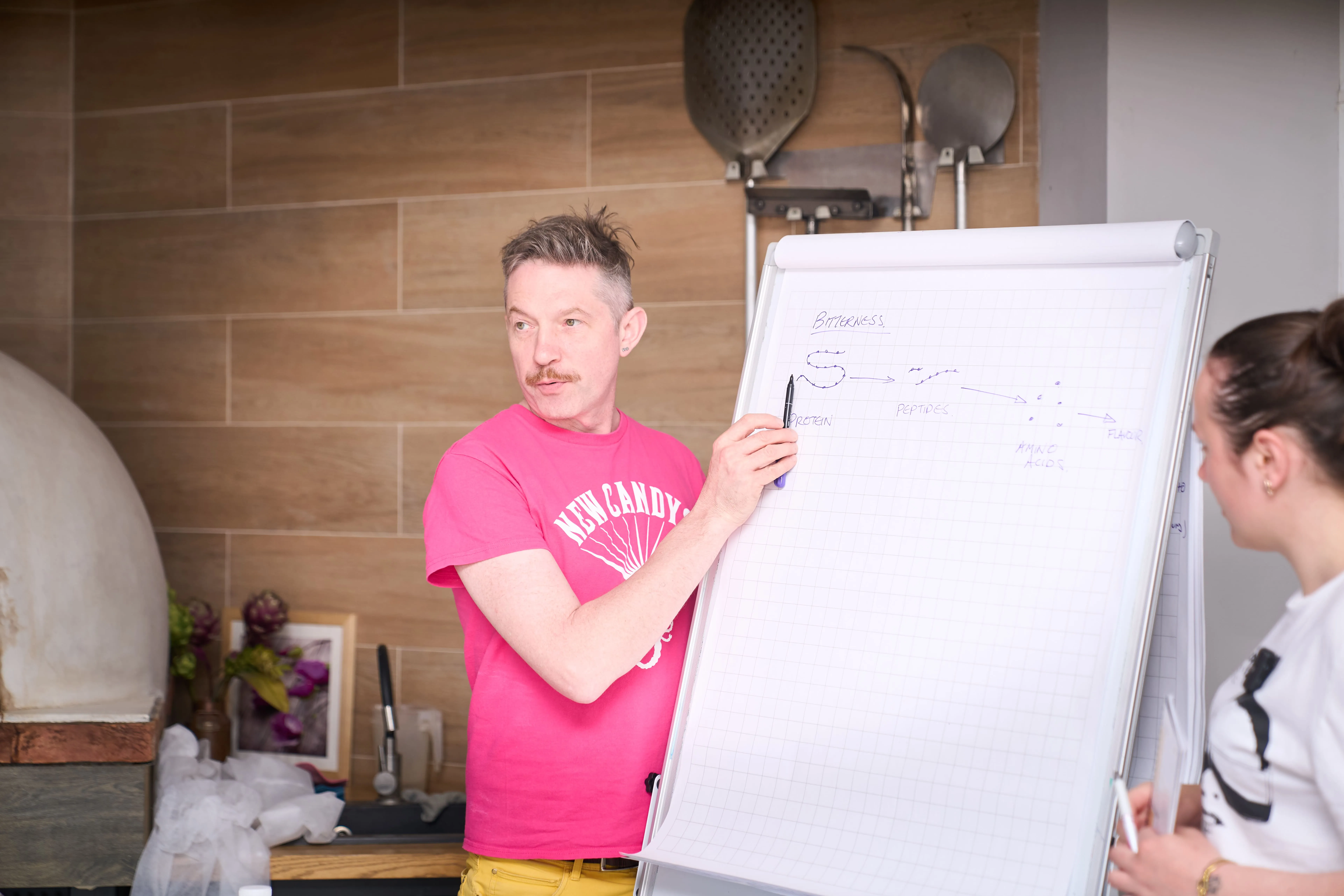
Paul Thomas is an international expert in cheesemaking and hygiene, a technical consultant, a judge at international cheese competitions, and a guest lecturer at the UK’s Academy of Cheese. Ukrainian cheesemakers may already be familiar with him from his online training delivered in 2022 and his role as a judge at the ProCheese Awards in 2025.
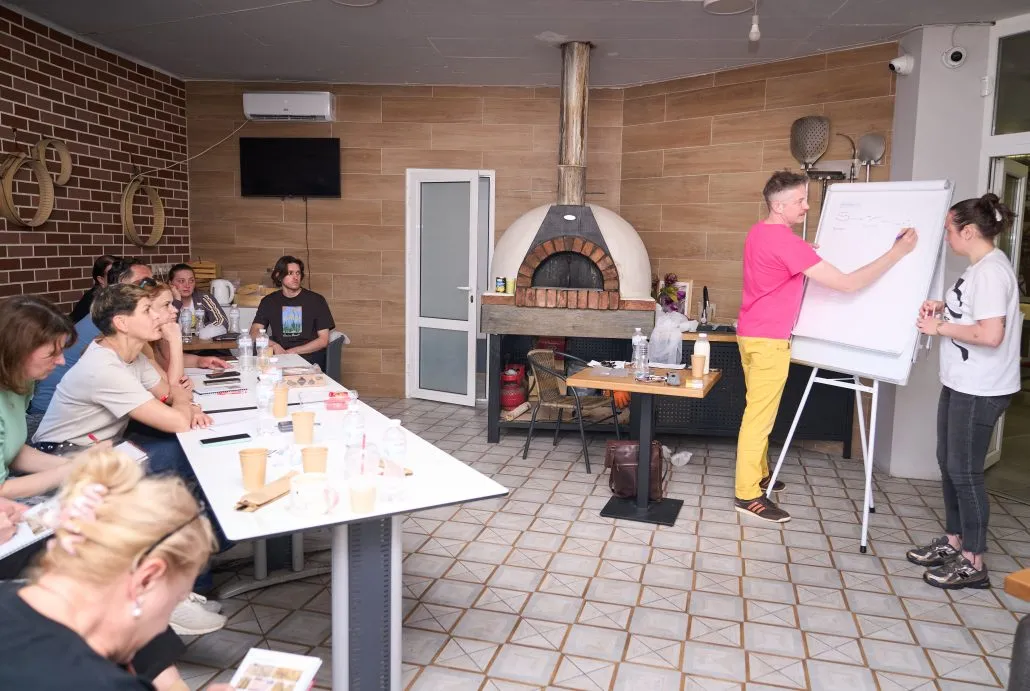
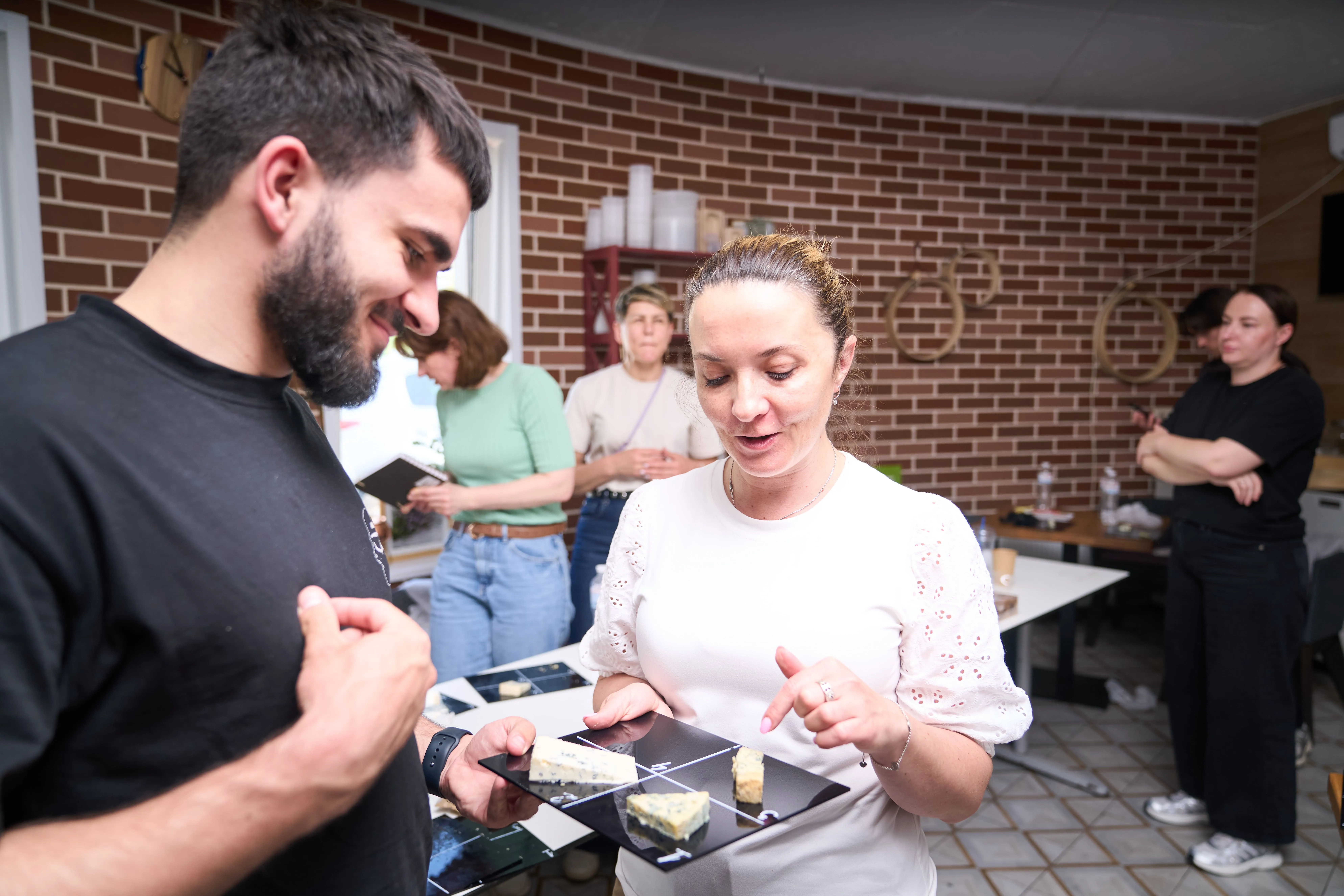
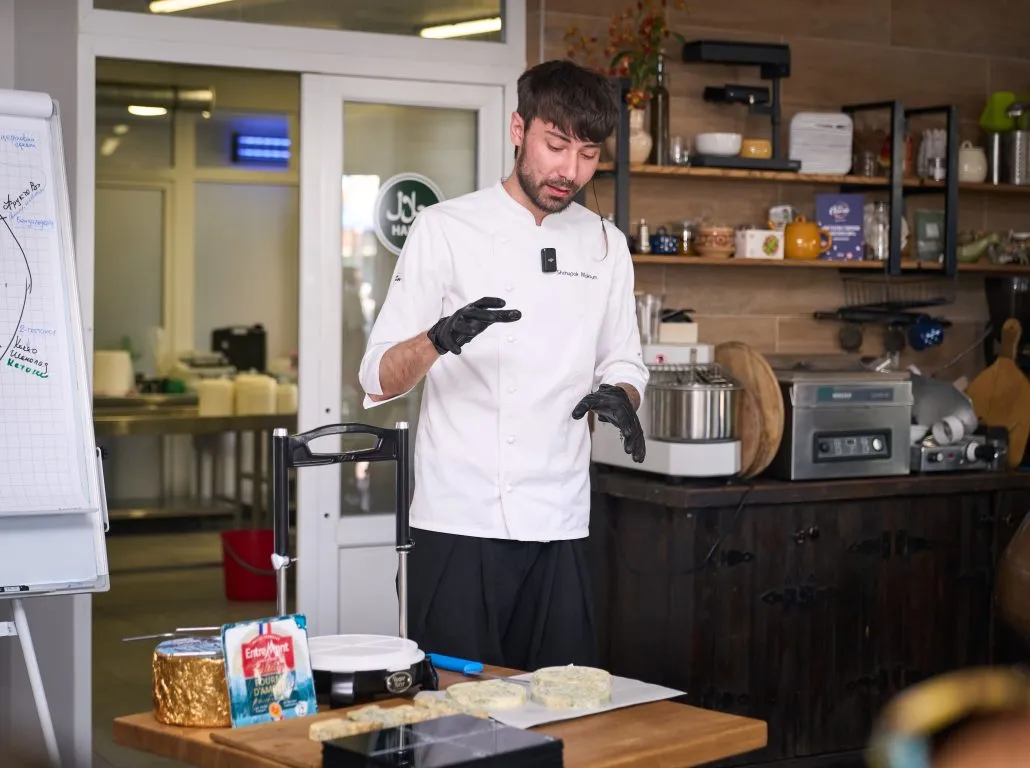
As part of the training, participants examined key aspects of blue-mould cheese production, including the production techniques for Stilton and Fourme d’Ambert; working with blue-mould cultures; quality control; and typical product defects.
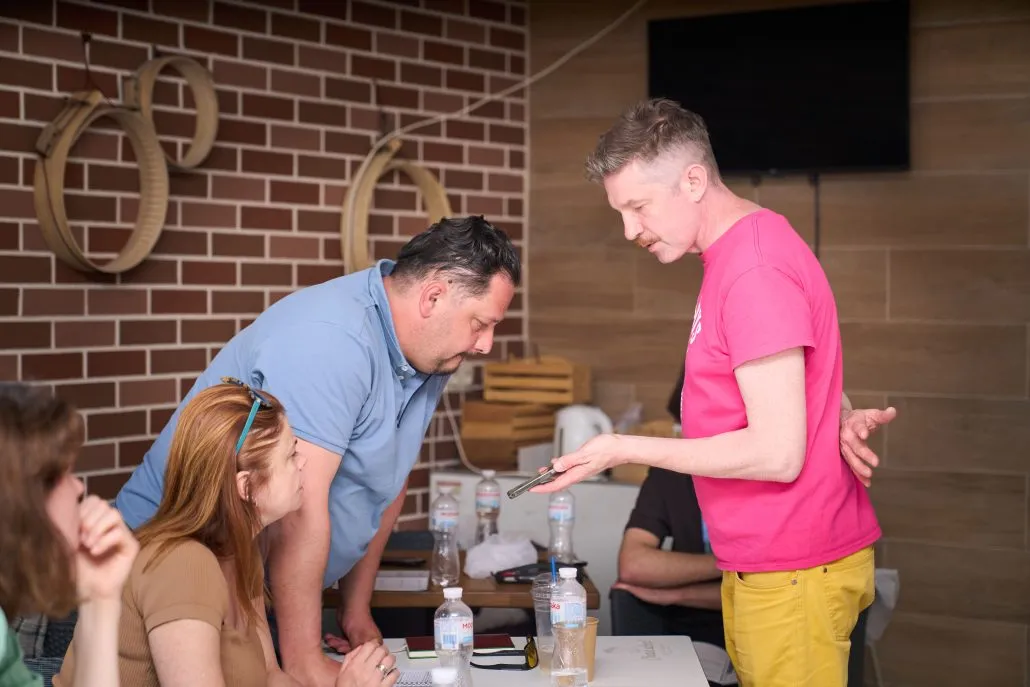
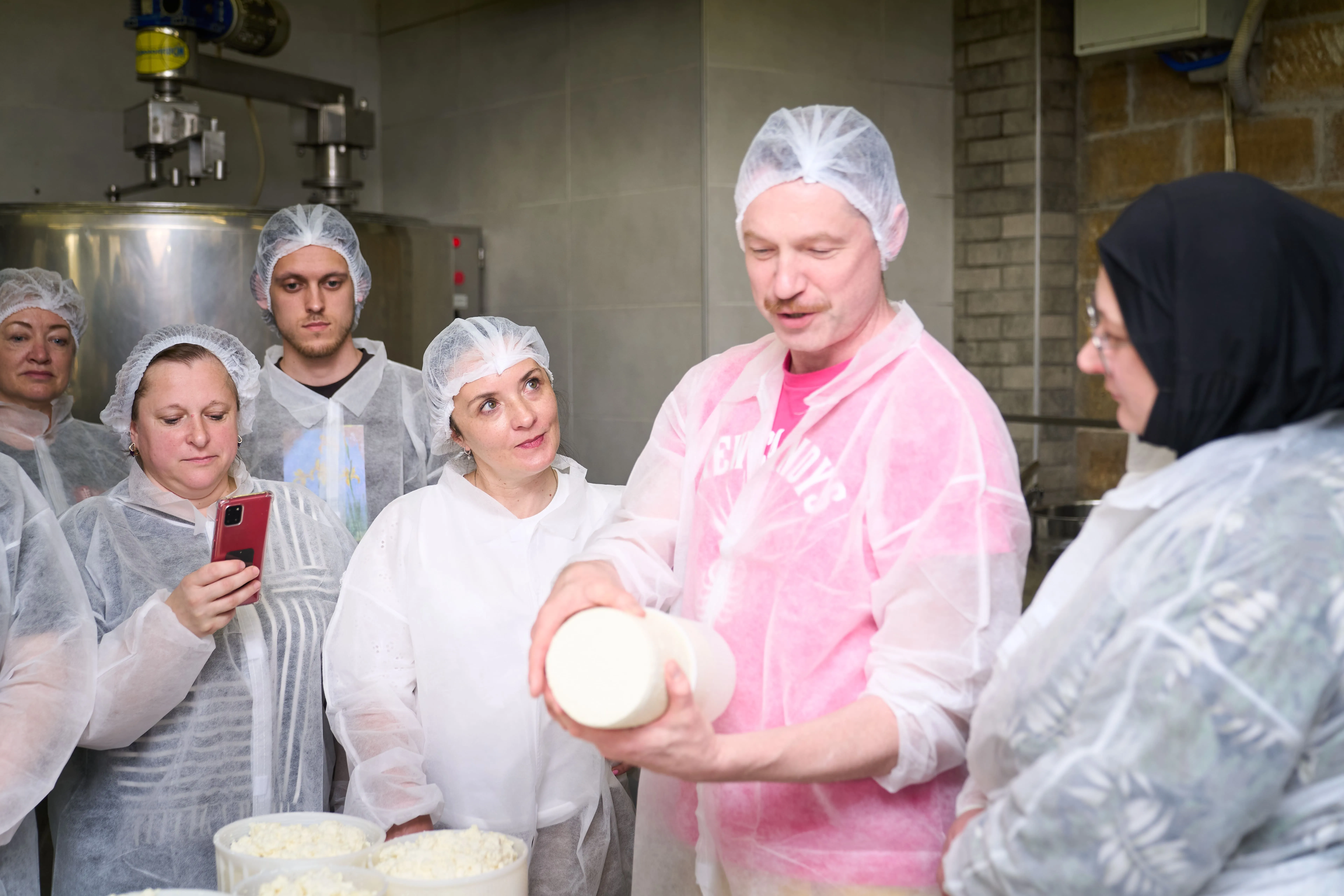
The training took the form of a two-day in-person workshop, which enabled each participant to receive personalised advice and gain a deeper understanding of the production processes.
As part of the course, participants not only acquired practical skills in the production of blue-mould cheeses, but also had access to the training materials for a further two months following the completion of the intensive course.
“Switzerland systematically supports the development of Ukraine’s dairy sector – from improving the quality of raw milk to enhancing the trade capacities of small and medium-sized enterprises. This course is unique due to the specificity of the technology itself and is also extremely valuable because it focuses on deepening knowledge with practical application. Initiatives like this form the foundation for developing professional expertise and strengthening the competitiveness of Ukrainian producers,” said Iryna Vysotska, Deputy Local Manager, Dairy Sector Component Coordinator of the Swiss-Ukrainian QFTP Programme.
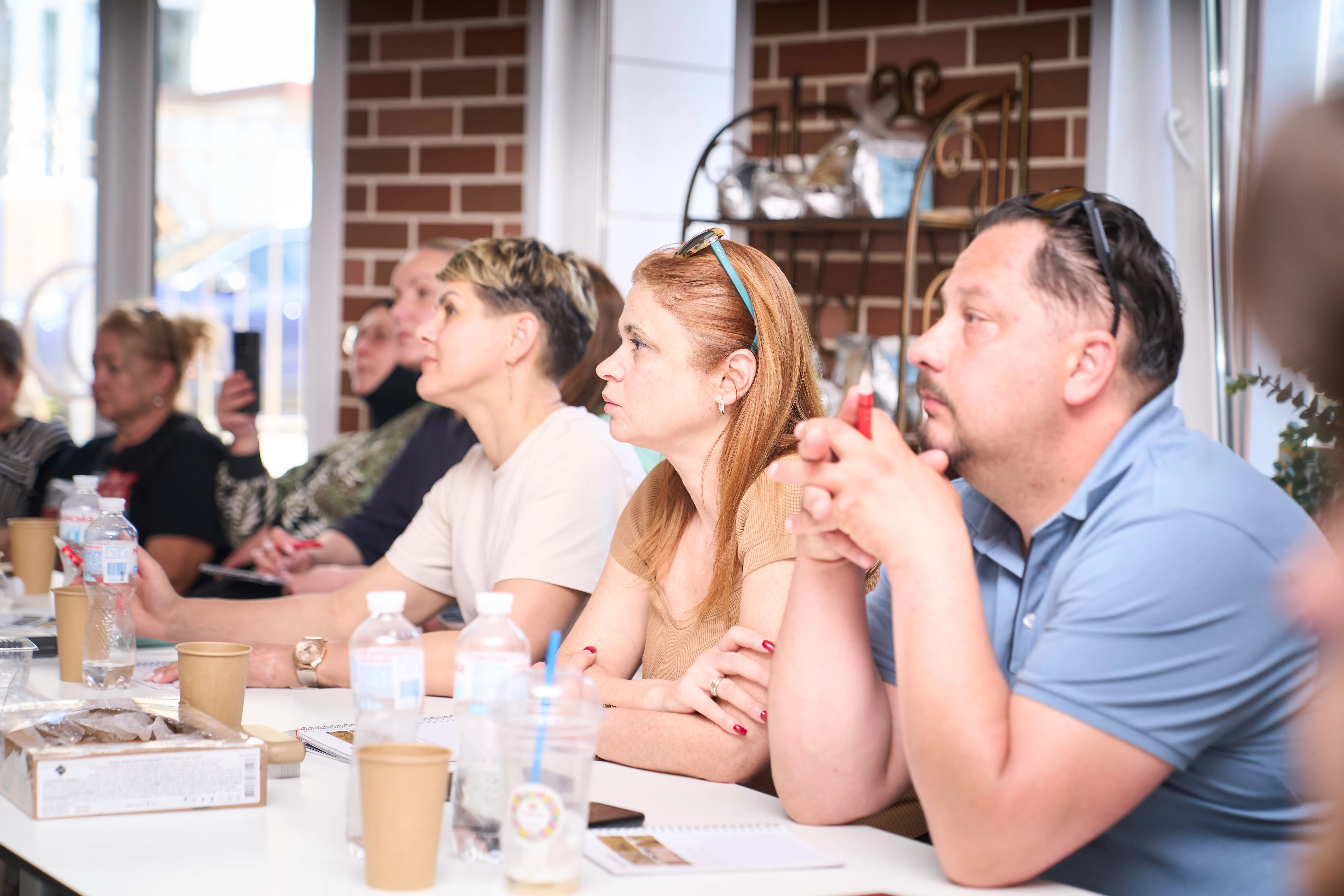
The participants spoke highly of both the course content and its organisation. The cheese makers highlighted the professional standard of teaching, the large number of practical tasks and the opportunity to get answers to complex technical questions directly from an international expert.
“Everything is explained in an accessible and clear way. There’s a very friendly atmosphere and a personalised approach. If you ask a question, you always get an answer. This is a course where there really is a lot to learn,” said Maryna Chereda, a process engineer at the “Verche” cheese factory in the Sumy region.
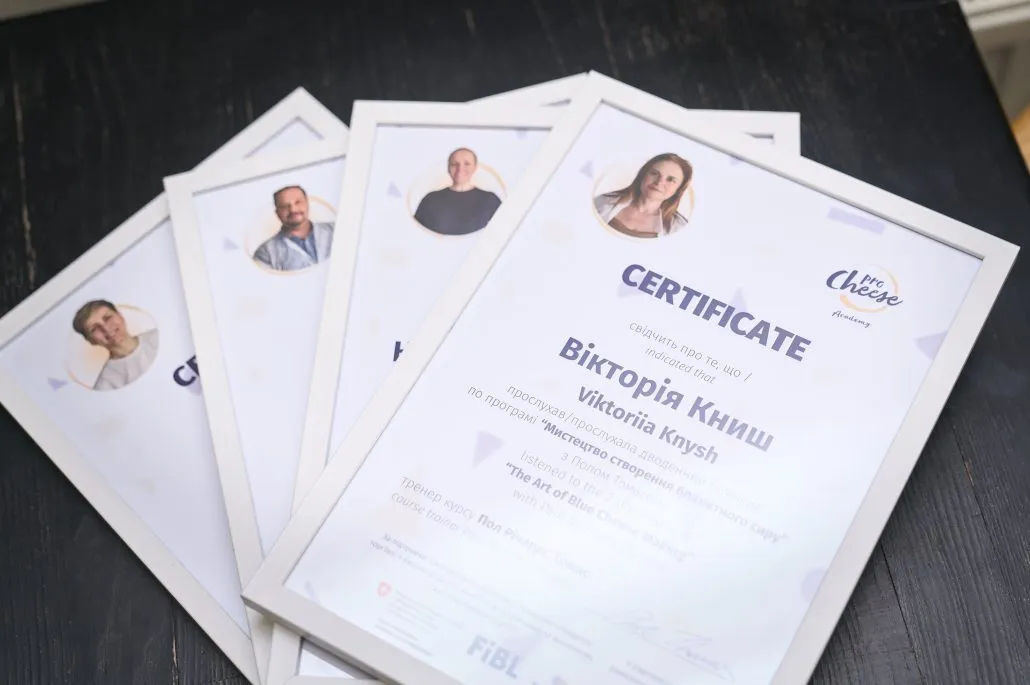
Victoria Knysh, owner of the “Jersey” cheese dairy, shared her impressions: “The training provided a very detailed analysis that helped us understand the root causes of production challenges at the microbiological level. It enables us to work more consciously and prevent problems in the future. The practical component was particularly valuable, as we completed every stage with our own hands.”
Paul Thomas noted that the two-day intensive course was both demanding and highly engaging. He was particularly impressed by the participants’ strong motivation and their ability to absorb a significant amount of new knowledge and practical skills in such a short period of time.
The expert also emphasised that the production of blue-veined cheeses is one of the most complex areas of cheese-making. A successful outcome, he said, depends on a precise balance of many factors, including moisture content, acidity and salt content, and requires in-depth knowledge, attention to detail and practical experience.
Supporting training initiatives like this is part of Switzerland’s long-term commitment to strengthening Ukraine’s dairy sector.
The project implemented by the ProCheese Academy in partnership with the Guild of Artisan Cheesemakers of Ukraine, with the aim of developing cheese culture in Ukraine and raising the professional standards of artisan producers. The initiative implemented with the support of the Swiss-Ukrainian Programme “Higher Value Added Trade from the Organic and Dairy Sector in Ukraine” (QFTP), implemented by the Research Institute of Organic Agriculture (FiBL, Switzerland) in partnership with SAFOSO AG (Switzerland).